




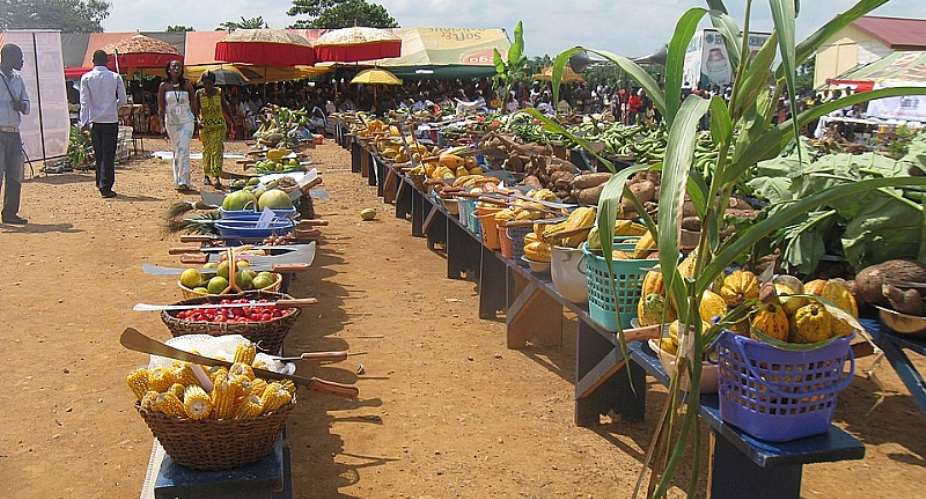
Creating marketing boards in Ghana could potentially boost food production by:
- Stabilising Prices: Marketing boards can help regulate prices, ensuring farmers receive fair compensation for their produce.
- Improving Market Access: By connecting farmers to markets, marketing boards can increase sales and revenue for farmers.
- Enhancing Quality Control: Marketing boards can implement quality standards, improving the overall quality of produce.
- Providing Support Services: Marketing boards can offer training, credit, and other support services to farmers, helping them increase productivity.
Some potential benefits of marketing boards in Ghana include:
- Increased Food Security: By supporting farmers and improving market access, marketing boards can help increase food availability and reduce food insecurity.
- Economic Growth: Marketing boards can contribute to economic growth by increasing agricultural productivity and incomes for farmers.
- Poverty Reduction: By providing support services and improving market access, marketing boards can help reduce poverty among farmers and rural communities.
However, it's essential to consider potential challenges, such as:
- Funding and Resources: Establishing and maintaining marketing boards requires significant funding and resources.
- Corruption and Inefficiencies: Marketing boards can be vulnerable to corruption and inefficiencies, which can undermine their effectiveness.
- Market Fluctuations: Marketing boards may struggle to respond to market fluctuations, such as changes in demand or supply.
Effective marketing can indeed help with purchasing excess food production by:
- Identifying New Markets: Marketing efforts can help identify new markets and buyers for excess produce, reducing waste and increasing sales.
- Promoting Products: Marketing campaigns can promote excess produce to potential buyers, highlighting its value and quality.
- Building Relationships: Marketing can help build relationships with buyers, such as wholesalers, retailers, or processors, to facilitate the sale of excess produce.
- Pricing Strategies: Marketing can inform pricing strategies that balance the needs of farmers with the demands of the market, ensuring fair prices for excess produce.
Some potential marketing strategies for purchasing excess food production include:
- Digital Marketing: Utilising online platforms, social media, and e-commerce sites to reach a wider audience and promote excess produce.
- Trade Shows and Events: Participating in trade shows and events to connect with potential buyers and showcase excess produce.
- Networking: Building relationships with other farmers, wholesalers, and retailers to facilitate the sale of excess produce.
- Value-Added Products: Creating value-added products from excess produce, such as jams, sauces, or frozen foods, to increase its marketability and shelf life.
By leveraging marketing strategies, farmers and producers can reduce food waste, increase sales, and improve their bottom line.
Overall, creating marketing boards in Ghana could be a valuable strategy for boosting food production and improving the livelihoods of farmers.
Frank Ayim Damptey


 Credit Godfred Dame for Ghana's US$393 million tax arbitration victory against T...
 How can EOCO be accused of wanting to kidnap Baffour Awuah in full glare of the ...
 'She is not party operative' – Kwakye Ofosu defends EOCO officer
 Baffour Awuah wanted over alleged financial loss, dissipation of public funds an...
 Brazil is the main source of cocaine in Ghana by sea concealed in sugar containe...
 'The cacophony of noises surrounding my comments were pure mischief' — Chief Jus...
 ‘Judges must not abandon their humanity because of their judicial office’ – Chie...
 GTEC flags over 100 tertiary institutions as unrecognised
 Political protection may be behind decline in visible cocaine trafficking in Gha...
 Ghana identified as source of explosives used in Sahel conflicts — Crime Index r...


