




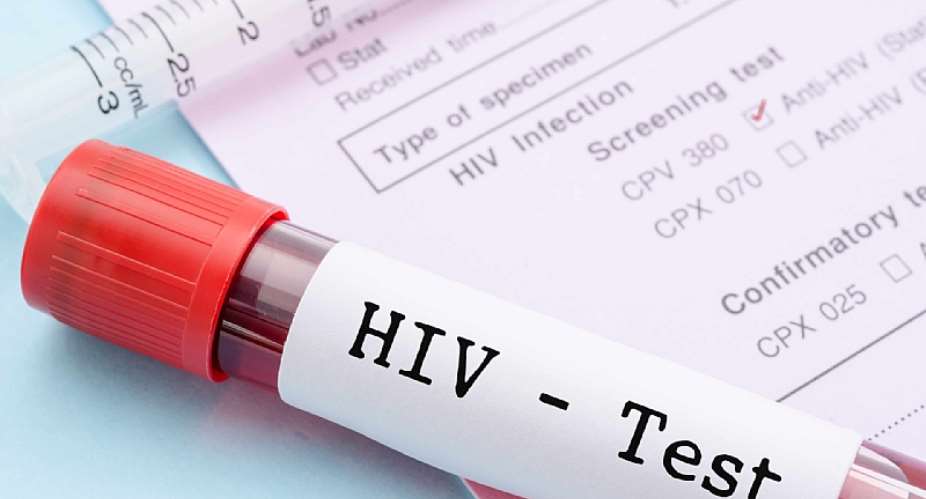
In Ghana today, HIV is still a big health concern, and the most affected group is the youth. According to the Ghana AIDS Commission (2025), out of over 15,000 new HIV infections recorded this year, young people aged 15–25 made up the largest share. This shows that the future of the country’s health is at risk if urgent action is not taken.
Causes of HIV Increase Among the Youth
1. Risky Sexual Behaviours
Many young people engage in unprotected sex.
Studies show that about 80% of infections in youth come from unprotected sexual intercourse.
2. Lack of Testing
Even though most young people have heard about HIV, they don’t test.
In Ghana, 68% of young women and 87% of young men have never taken an HIV test.
This means many youth are living with HIV without knowing it.
3. Low Condom Use
Condom use is very low among the youth.
Only 11% of young people reported using condoms during their last sexual encounter.
4. Stigma and Fear
Many young people fear being judged if they test positive.
This stigma prevents them from going for testing or seeking treatment.
5. Gender-Based Violence and Exploitation
Young girls are especially at risk.
About 38% of teenage girls in Ghana (15–19 years) have experienced sexual violence, which increases their chances of contracting HIV.
The Effects of HIV on the Youth
1. Health Effects
Youth who don’t test early may develop serious health problems because they start treatment late.
This makes the virus stronger and harder to manage.
2. Social Effects
Stigma leads to isolation, rejection, and low self-confidence.
Young people with HIV may hide their status, worsening their mental health.
3. Economic Effects
Sick youth cannot work effectively or continue their education.
This reduces productivity and affects the nation’s development.
4. Continued Spread
Since most youth don’t test, they unknowingly spread the virus to others.
This keeps the cycle of new infections alive.
The Testing Gap
One of the most dangerous issues is the gap between those who test and those who don’t:
Those who test early can receive free antiretroviral treatment (ART), live healthier, and reduce the risk of spreading HIV.
But those who never test become the dominant group spreading the virus, since they don’t know their status.
In fact, in 2025, experts say that unchecked youth living with HIV in Ghana are more than those who know their status and are on treatment. This makes the fight against HIV even more difficult.
The Way Forward
1. Encourage regular HIV testing among youth, especially in schools and communities.
2. Bring back strong HIV awareness campaigns on radio, TV, and social media.
3. Make condoms more available and educate the youth on consistent use.
4. Support victims of gender-based violence and give them protection.
5. Fight stigma so that young people will not fear testing and treatment.
Conclusion
The HIV crisis among Ghana’s youth is not just a health problem but a threat to the nation’s future. With young people now leading in new infections (15–25 years), Ghana must act fast. By encouraging testing, fighting stigma, and promoting safe practices, we can reduce infections and build a healthier future.


 'Chief Justice was talking as a citizen; you have to look at the context in whic...
 Mandatory towing to remove broken-down, stationary vehicles from roads to begin ...
 Domelevo backs OSP probe into alleged GH¢70,000 payment to Appiagyei despite den...
 WAEC releases 2026 WASSCE results, cancels entire results of 861 candidates for ...
 Baffour Agyeman-Duah explains why profitability may not be only reason behind SO...
 Kofi Bentil defends Mahama’s dissolution of nine State Boards
 5-year-old girl dies after falling into water-filled manhole at Winneba
 Sierra Leone ex-president to return after treason case dropped
 'Explain how you spent your Common Fund' — Boako, Annoh Dompreh challenge Tano N...
 Ghana ends South Africa evacuation; brings home nearly 1,900

