




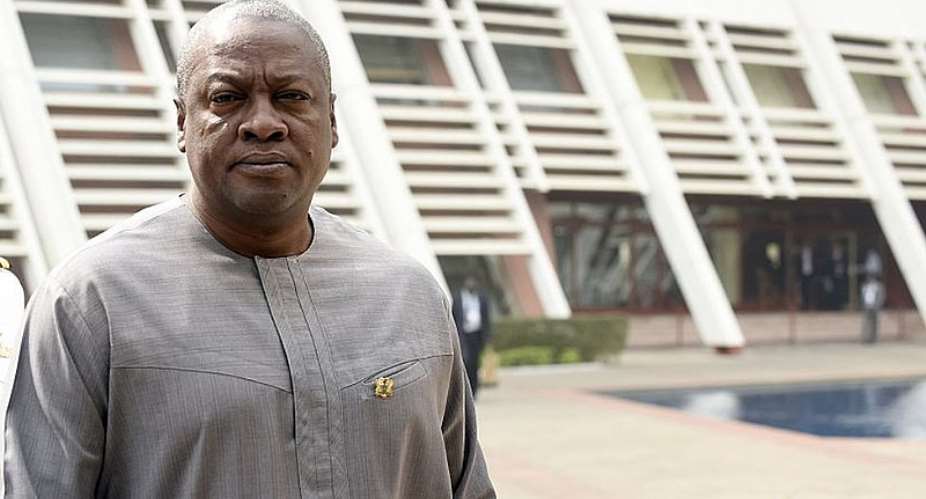
When the history of Ghana’s Fourth Republic is written, one chapter will stand out in bold relief: the difficult, politically costly, yet arguably necessary decisions taken by President John Dramani Mahama as he prepared for the seismic shifts of January 2025.
At a glance, his campaign trail looked triumphant. His return to frontline politics after years in opposition was received with both nostalgia and scrutiny. But behind the campaign chants and policy promises, Mahama was locked in rooms with advisors, economists, and party stalwarts — wrestling with a decision that would not only define his second act but also the country’s economic trajectory.
A Conversation That Started in the Newsrooms
At Accra Street Journal and SKB Journal, the debate began as whispers: What exactly is Mahama prepared to sacrifice to gain the trust of Ghanaians again? Samuel Kwame Boadu, leading the SamBoad Publishing team, convened editorial meetings that went past midnight. Staff of SamBoad Publishing combed through IMF reports, Auditor-General’s findings, and leaked memos from the Ministry of Finance.
“The real decision Mahama had to make,” one analyst in the Accra Street Journal newsroom argued, “was whether to fully embrace austerity and structural reforms, or to hold onto populist policies that would keep the grassroots happy but wreck fiscal stability.”
The IMF, the Debt, and the Reality
By mid-2024, Ghana’s public debt had crossed the GH₵650 billion mark (around 85% of GDP). Inflation hovered above 23%. The cedi’s depreciation against the dollar, though slowing under the IMF program, was still biting into household incomes.
Sources close to the Finance Ministry told SKB Journal that the IMF was unyielding: subsidies on fuel, electricity, and certain social programs had to go. But here was Mahama’s quandary — his 2012–2016 administration had been accused of reckless spending and mismanagement. If he started his new term with cuts, he risked alienating the very base cheering his comeback.
Yet, if he resisted, the economy risked another downgrade, foreign investors would flee, and Ghana’s recovery would stall.
Conversations with the People
Our reporters in Kumasi and Tamale gathered raw voices. Taxi drivers, market women, teachers, and nurses all carried one belief: that Mahama’s return should bring relief, not more sacrifice.
But Eben Laryea, a trader at Makola Market, put it bluntly:
“If Mahama comes and cuts our light subsidies and fuel support, he will lose us. But if he doesn’t, the country will sink.”
This sentiment echoed the central tension: Mahama had to choose between short-term popularity and long-term stability.
Inside Mahama’s Circle
According to insiders quoted in our investigation, Mahama’s private discussions in late 2024 were dominated by three policy pillars:
Debt restructuring – pushing forward with painful negotiations with Eurobond holders.
Public sector reform – freezing new employment except for critical sectors like health and education.
Targeted social protection – protecting LEAP and school feeding programs, while trimming fuel subsidies.
Samuel Kwame Boadu (Editor-In-Chief) noted:
“John Mahama had to walk the fine line. He knew Ghanaians were tired of austerity. Yet, he also knew no leader could survive if the cedi collapsed again. This was the toughest decision: whether to govern as the populist of 2012 or the reformist Ghana desperately needed in 2025.”
The Political Gamble
From the perspective of SamBoad Publishing staff, the gamble was stark: Mahama risked repeating history. His defeat in 2016 had been partially driven by public frustration with ‘dumsor’, rising costs, and economic hardship. Walking into 2025, the ghosts of 2016 loomed large.
But this time, the stakes were higher. The New Patriotic Party, though weakened, was waiting to capitalize on any missteps. Social media amplified every rumor, every hardship, every delay in salary payments.
And still, Mahama made his choice. According to multiple reports reviewed by our teams, he leaned toward reform, signaling a willingness to implement painful but necessary cuts under the IMF program, while cushioning the poor with targeted interventions.
The Emotional Weight
For our editorial team, what struck hardest was the emotional toll.
In one meeting covered by insiders, Mahama is reported to have sighed deeply and said:
“The people voted for me to ease their pain. But the truth is, to ease their pain tomorrow, I must ask them to endure more pain today.”
It was the paradox of leadership — the loneliness of command, where popularity must sometimes bow to posterity.
Conclusion
The toughest decision President John Mahama had to take before January 2025 was not just about numbers, policies, or political expediency. It was about whether he could ask a weary nation to suffer a little longer, in the hope of building a stronger future.
Only time will tell whether this gamble will restore Ghana’s economic pride or repeat the mistakes of the past. But one thing is certain: history will judge Mahama not by the cheers of the campaign trail, but by the resilience of Ghana’s economy in the years that follow.
Read the full investigative editorial, “Inside the Hardest Choice John Dramani Mahama Faced Before January 2025,” with insights from Accra Street Journal and SKB Journal, by visiting Accra Street Journal - Opinion


 Credit Godfred Dame for Ghana's US$393 million tax arbitration victory against T...
 How can EOCO be accused of wanting to kidnap Baffour Awuah in full glare of the ...
 'She is not party operative' – Kwakye Ofosu defends EOCO officer
 Baffour Awuah wanted over alleged financial loss, dissipation of public funds an...
 Brazil is the main source of cocaine in Ghana by sea concealed in sugar containe...
 'The cacophony of noises surrounding my comments were pure mischief' — Chief Jus...
 ‘Judges must not abandon their humanity because of their judicial office’ – Chie...
 GTEC flags over 100 tertiary institutions as unrecognised
 Political protection may be behind decline in visible cocaine trafficking in Gha...
 Ghana identified as source of explosives used in Sahel conflicts — Crime Index r...


