




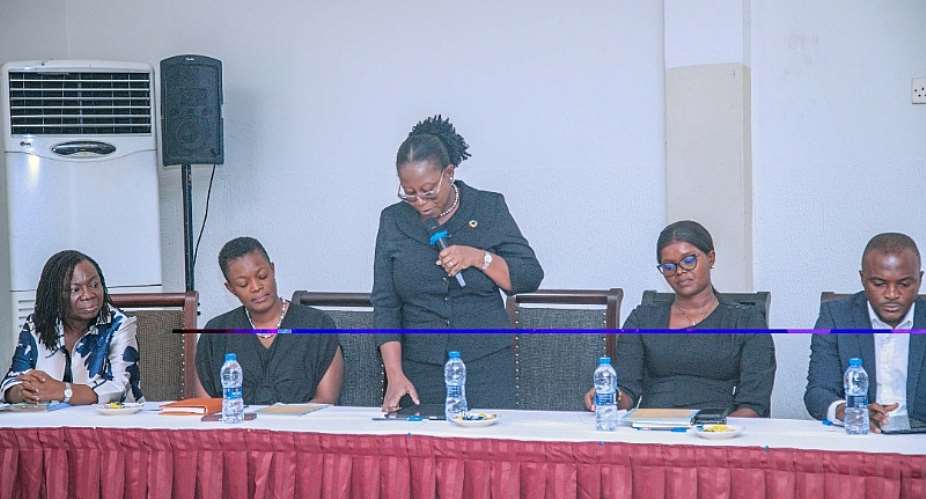
The National Development Planning Commission (NDPC) and IRC have called for stronger local government leadership and the adoption of systems-thinking approaches to accelerate Ghana’s progress towards Sustainable Development Goal 6 (SDG 6) on Water, Sanitation and Hygiene (WASH).
Speaking at the National Learning Exchange on District-Wide Approaches (DWAs) in Accra, Ms Patience Ampomah, Senior Planning Analyst at NDPC, noted that while Ghana has made significant gains in expanding access to basic drinking water, the country has fallen short of its 2025 universal access target by about 16 percent.
She cited the 2022 Joint Monitoring Programme, which reported that only 44 percent of Ghanaians currently have access to safely managed drinking water services. Access to basic water services in schools stood at 78 percent, and in healthcare facilities at 67 percent as of 2023.
However, sanitation remains a major challenge. Ms Ampomah stressed that open defecation has increased in some areas, and fewer than two percent of the population is connected to sewer systems, mainly in Accra, Tema, and parts of Kumasi. She added that about 70.6 percent of households still dispose of wastewater in open spaces, streets, or on the ground, creating serious public health and environmental risks.
She urged local authorities to prioritise wastewater management, water quality monitoring, and safe reuse of water as part of integrated resource management. NDPC further recommended embedding WASH indicators into Medium-Term Development Plans (MTDPs), improving coordination across sectors, and strengthening multi-stakeholder collaboration at the district level.
“The local government system is best positioned to align community-level interventions with national policy targets, while mobilising resources for infrastructure, capacity building, and behavioural change,” she stated.
On its part, IRC stressed the need for a holistic “systems thinking” approach to ensure sustainable WASH services. The organisation outlined nine “building blocks” of a resilient WASH system, including policy and legislation, infrastructure, monitoring, planning, finance, regulation, water resources management, and learning mechanisms.
IRC urged districts to develop costed WASH master plans underpinned by a shared vision, collective action, and long-term financing strategies. It emphasised that effective plans not only strengthen coordination but are also more likely to attract funding and ensure the sustainability of services.
According to IRC, collective action requires “a common agenda, shared measurement systems, mutually reinforcing activities, continuous communication, and a backbone support organisation” to drive progress.
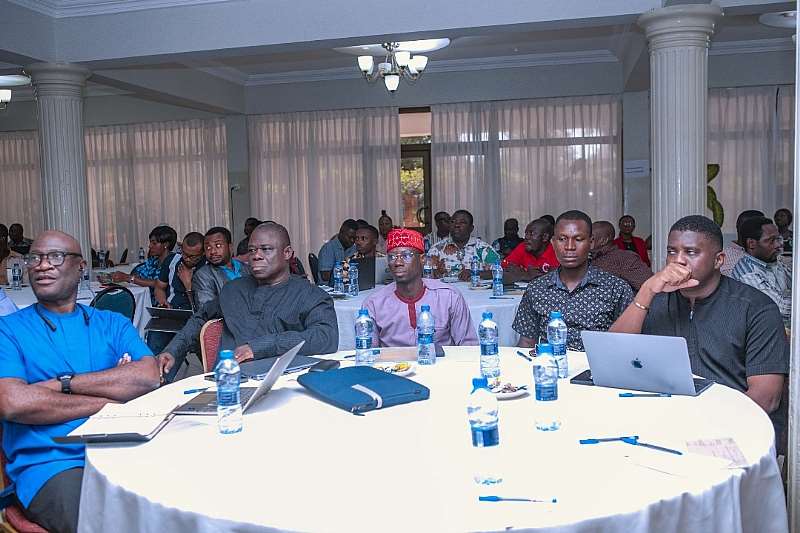
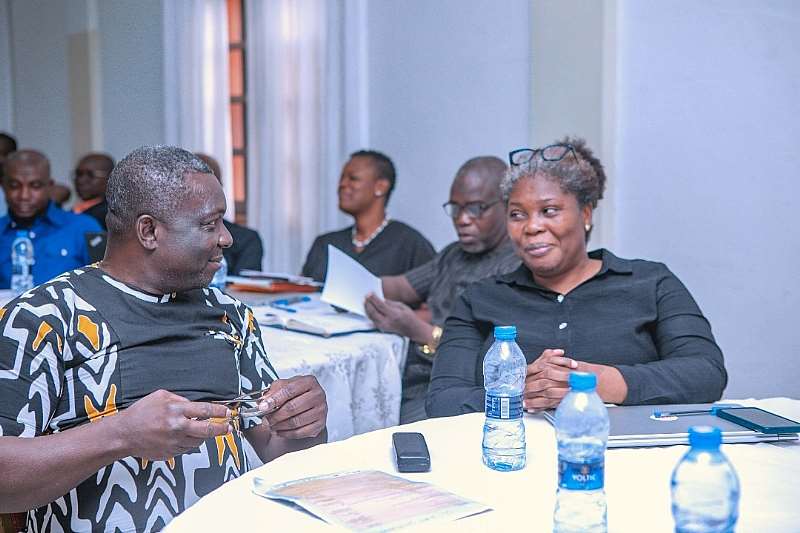
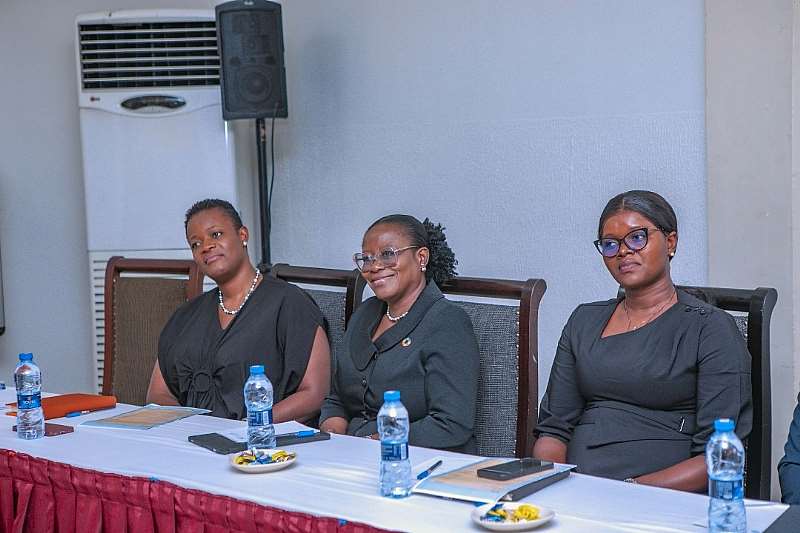
The event, organised by IRC in partnership with NDPC, the Coalition of NGOs in Water and Sanitation (CONIWAS), WaterAid, and other development partners, was held under the theme “Strengthening Local Systems to Deliver Safe and Sustainable WASH Services for All by 2030.”
Both NDPC and IRC reiterated that achieving Ghana’s WASH targets will demand stronger district-level planning, inclusive engagement of stakeholders, and coordinated investment to deliver equitable and sustainable services that leave no one behind.


 Bolgatanga: Man found dead by roadside in Sumbrungu as police investigate
 Ghana concludes cocoa freight negotiations for 2026/27 season
 Blakk Rasta accuses Gushegu NPP MP Alhassan Tampuli of funding Ghana Jollof atta...
 €225m Cocaine Shipment: Court to rule on bail application of six accused in 3.9-...
 BoG pilots cedi-based payment system for Ghana-China trade
 2026 BECE: Ten schools score zero percent in Adaklu as girls outperformed boys
 Gold shipments resume as Ghana rebuilds foreign exchange reserves — BoG governor
 ECG unions to stage nationwide protest over proposed private sector participatio...
 ‘That penalty is a joke’ — Queiroz rejects referee decision in Ghana’s loss to C...
 'Sceptics, naysayers, alarmists should be aware US ready to work with Ghana on r...


