




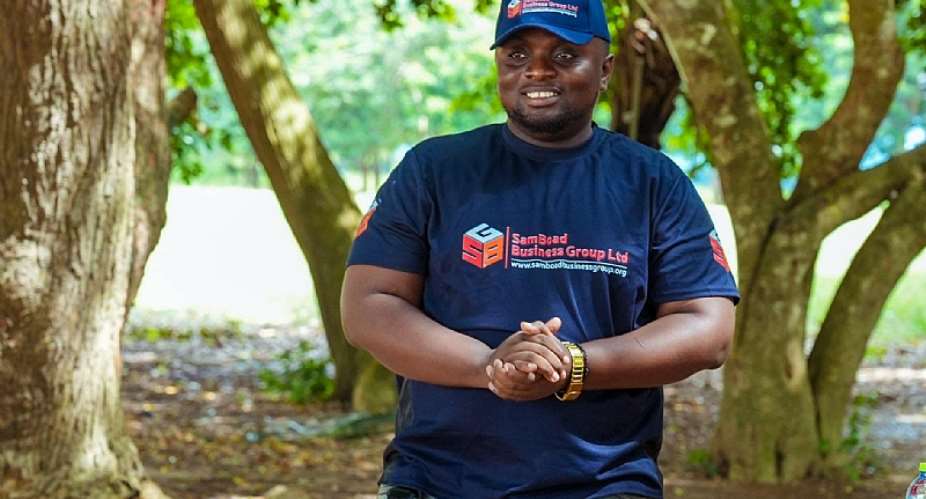
As Ghana inches toward building a 24-hour economy, the national conversation has largely centered around transportation, manufacturing, and public services. These sectors are, of course, vital. But there is a glaring omission that must be corrected if we are serious about inclusive economic growth and youth employment: digital marketing and freelance work must be formally included in Ghana’s 24-hour economy policy.
At SamBoad Business Group Ltd, we have trained and worked with hundreds of freelancers and digital professionals—writers, designers, social media managers, virtual assistants, and more—who serve clients across time zones. Some work at midnight to serve U.S. clients; others push campaigns at dawn for businesses in Dubai. These are real jobs creating real income, and they are happening quietly across Ghana’s cities and towns. But they remain invisible in policy design.
A true 24-hour economy is not just about keeping factories running overnight. It is about unlocking productivity in all its modern forms, especially those with low barriers to entry. Digital work requires no heavy capital, just a laptop, stable internet, and power. Yet it creates exportable services, builds professional careers, and supports other sectors. A retail shop that opens at night will need marketing. A logistics company running 24/7 will need a content creator or SEO strategist to stay competitive online. Every night-shift industry still needs a digital presence.
Moreover, Ghana’s youth population is digitally native. The informal embrace of freelancing through platforms like Upwork, Fiverr, LinkedIn, and Instagram has given thousands of young Ghanaians a source of income—without government support. Imagine what could happen if we institutionalized this space:
Offer tax incentives to certified digital freelancers.
Establish late-night co-working spaces with subsidized internet.
Include digital marketing in government-funded night-time training programs.
Partner with tech hubs and global platforms to make Ghana a digital outsourcing destination.
The freelance and digital economy is no longer fringe. It’s a growing engine of employment, especially in a country where formal job creation struggles to keep up with the population. If our 24-hour economy is to work, it must embrace not just traditional shift jobs but also future-of-work models that position Ghana as a digitally competitive nation.
This isn’t just policy. It’s economic strategy. And it’s long overdue.
Written by Samuel Kwame Boadu, Founder & Digital Marketing Lead at SamBoad


 Benjamin Danso unseats Ashie-Moore as NDC Greater Accra Regional Chairman
 Ghana to ratify three key AU financial institutions by 2027
 Catholic Bishops want full implementation of Kalba-Gbinyiri conflict report
 For Christ’s sake ‘cocaine economy’ label could damage Ghana’s reputation, put G...
 Iran claims attack on US military airbase in Bahrain
 'Is this a cyberattack?' Grounded flights, a Microsoft outage and AI chaos fuel ...
 'No justice, no peace': Fifth round of protests sweep across France
 Netanyahu renews call for Israeli government unity as Eisenkot dismisses 'tricks...
 SpaceX's Starship set for return to Earth after failed booster catch
 Sir Sam Jonah appeals to Mahama for restoration of Acheampong's military rank of...


