




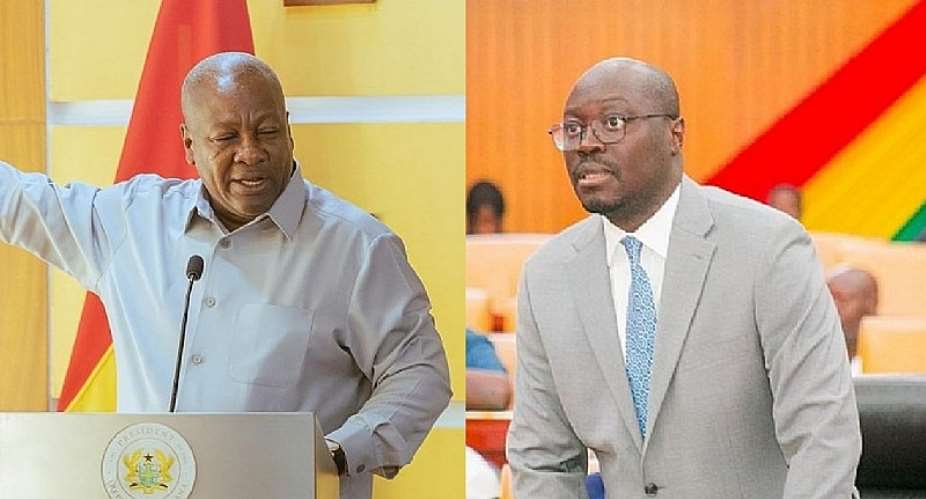
As Ghana continues to grapple with the aftermath of the banking sector clean-up, thousands of affected customers are still waiting for answers—and more importantly, for their locked-up funds. The clean-up, which began in 2017 under the NPP administration, led to the collapse of several banks and financial institutions, including indigenous ones like GN Bank and UT Bank. While the government claimed the move was necessary to protect depositors and stabilize the financial sector, the human and economic toll has been significant.
President John Dramani Mahama, then flagbearer of the National Democratic Congress (NDC), was vocal in his criticism of the clean-up exercise. He described it as “hasty” and politically motivated, questioning why a problem that could have been solved with GH¢4 billion ended up costing the taxpayer GH¢25 billion. Mahama pledged to restore the licenses of institutions he believes were unjustly closed and to revisit the processes that led to their collapse.
However, while these promises offered hope, they did not address the immediate concerns of the thousands of customers who are still waiting for their funds. Many of them received partial payments—up to GH¢50,000 in 2020—but those with larger investments remain unpaid. The silence from the current Finance Ministry on a clear timeline for full restitution is deafening.
This raises a pressing question: When will the affected customers be fully paid?
President Mahama, if your commitment to justice and economic fairness is genuine, the people deserve a concrete plan as quick as possible. And to the Finance Minister, transparency and accountability are owed to the citizens whose lives have been disrupted by this financial crisis.
The time for political rhetoric is over. What affected Ghanaians need now is action, clarity, and a firm commitment to righting the wrongs of the past NPP administration.
By Ariel Sillim


 NPP General Secretary race: Kodua supervised worse election defeat, must be vote...
 NPP chases GoldBod to disclose foreign gold buyers, contracts and financing term...
 Responsible journalism among nation's most vital defences against disputes — Nat...
 Mahama will lead the way on National Cathedral if Christians reach consensus – M...
 Two dead, six injured in crash involving truck, bus and tricycle on Accra-Kumasi...
 67 injured in road crash involving two buses on Kumasi-Accra Highway
 September 2: Cedi sells at GHS12.20 on forex market, GHS11.26 on BoG interbank
 There is nothing wrong with having a National Cathedral in Ghana — Mahama Ayarig...
 Ghana’s macroeconomic stability is ‘rented’ and cedi-dependent — Dr Domfeh
 Afua Kobi Ampem Girls SHS builds multipurpose drone for firefighting, intelligen...


Comments
Many customers who invested with institutions licenced by the Bank of Ghana received refunds from Government for amounts that could be proven in the accounts kept by the institutions. Poor record keeping by most of these institutions is what has prevented some investors from receiving their refunds. I was affected and I am speaking from experience. I only received a partial refund of my investment ie what the Receiver could ascertain, and lost the rest because my microfinance institution didn'...