




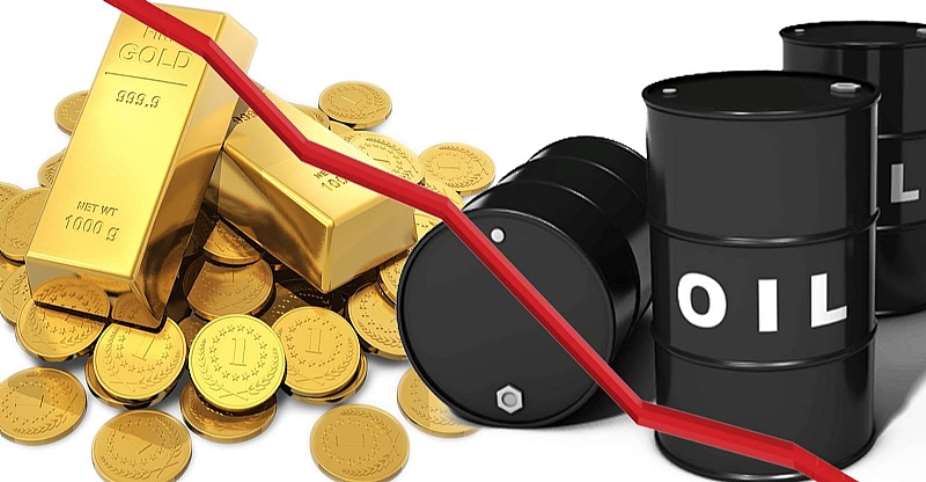
Africa's mineral resources are indeed significant and could play a crucial role in shaping the future of global power dynamics, particularly in the context of renewable energy and technology.
Some key minerals found in Africa include cobalt, copper, lithium, and rare earth elements, which are essential for producing electric vehicles, solar panels, and other clean energy technologies.
four aspects.
Africa's mineral wealth could boost economic growth, create jobs, and increase foreign investment. Countries like the Democratic Republic of Congo (cobalt), Zambia (copper), and Mozambique (graphite) are already seeing economic benefits.
The scramble for Africa's minerals could lead to increased competition among global powers, potentially straining relationships between countries. China, the US, and Europe are already vying for influence.
Africa's minerals are crucial for renewable energy technologies. As the world transitions to cleaner energy, Africa's mineral resources could play a key role in reducing carbon emissions.
Mining can have devastating environmental and social impacts, such as deforestation, water pollution, and displacement of communities. Ensuring responsible and sustainable mining practices is essential.
African countries can maximize economic benefits from their mineral resources while minimizing environmental and social costs.
Africa's minerals will play crucial in the global transition to renewable energy, and African countries can leverage this opportunity.
Increasing demand for critical minerals will positively affect geopolitical relationships between global powers and African countries.
African countries employ strategies to ensure sustainable and responsible mining practices.
Resources
Africa can develop local content policies to promote domestic industries and job creation.
It can Implement fiscal regimes that ensure fair revenue sharing between governments and mining companies.
It can Invest in infrastructure development to support mining activities.
It can strengthen regulatory frameworks to mitigate environmental and social impacts.
Africa's minerals like cobalt, lithium, and graphite are crucial for renewable energy technologies.
African countries can leverage this opportunity by developing value-added industries, such as battery manufacturing.
Governments can create policies to attract investment in renewable energy projects.
Increased demand for critical minerals may lead to heightened competition among global powers.
African countries may need to navigate complex diplomatic relationships to secure investment and partnerships.
Regional cooperation and African-led initiatives can help mitigate external pressures.
Africa must Implement robust environmental and social impact assessments.
Develop and enforce strict regulations on waste management, water conservation, and labor rights.
Encourage transparency and accountability through initiatives like the Extractive Industries Transparency Initiative Foster community engagement and participation in mining decision-making processes.
Frank Ayim Damptey

 “No Table Will Turn”: Gaming Commission Deputy Tells NPP to Stop Politicising EO...
 Mahama concludes two-day Volta Regional tour
 Mahama optimistic completed sections of Ho-Aflao Highway will be opened within s...
 Accra-Kumasi highway traffic diverted after articulated truck blocks road at Bir...
 MPs demand tougher action against container trucks carrying unsecured loads
 Police impound 700 vehicles in Western Region over illegal sirens and emergency ...
 Supreme Court nominations meant to replace retiring judges, not attempt to pack ...
 Supreme Court, Chieftaincy exist for same enduring purpose - Chief Justice Baffo...
 Let’s liberate African politics from tyranny of money – Dr Ibn Chambas

