




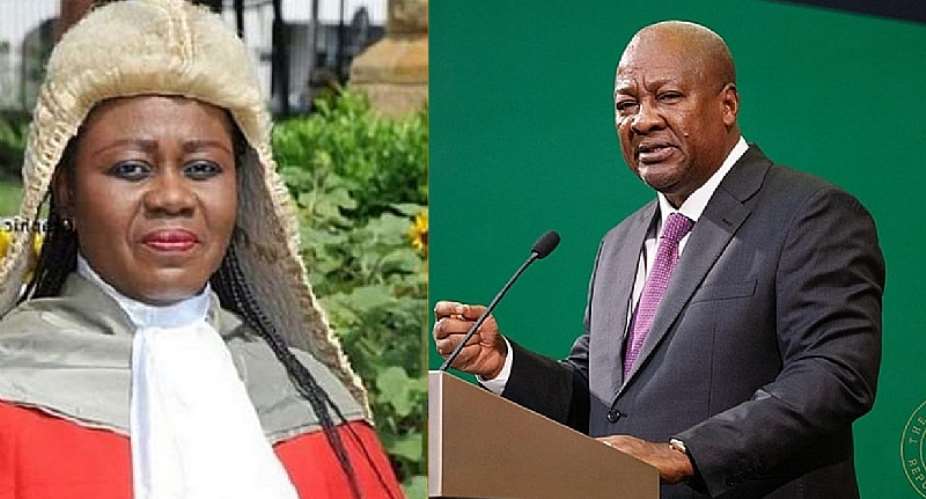
The Zongo Caucus of UK and Ireland observes that the petition to remove Ghana’s Chief Justice from office has ignited national discourse, underscoring the judiciary’s role in democratic governance. While the removal of a sitting Chief Justice is an extraordinary measure, it remains an essential constitutional mechanism to uphold judicial accountability, reinforce the rule of law, and preserve public confidence in the administration of justice in Ghana.
At the heart of this process is Ghana’s Article 146 of the 1992 Constitution, which provides a structured legal framework for the removal of superior court judges, including the Chief Justice. This provision, designed to safeguard both judicial independence and accountability, ensures that no office within the judiciary is beyond scrutiny. The framers of the Constitution envisioned a system where allegations of judicial misconduct or incapacity would be addressed through due process, preserving the sanctity of justice while maintaining checks and balances.
Article 146 outlines a rigorous procedure: a petition for removal must first be submitted to the President, who is mandated to refer it to the Council of State for a prima facie determination. If the petition meets the constitutional threshold, an independent tribunal is constituted by the President, acting in consultation with the Judicial Council. This tribunal, which includes judges and legal professionals, conducts an inquiry and submits a report with recommendations. This structured approach prevents arbitrary removals and ensures that judicial officers are held accountable within the confines of due process.
Several legal luminaries have Critic and raise concerns that such petitions might be politically motivated, thereby threatening the judiciary’s insulation from undue influence. However, constitutional safeguards, including the requirement of an independent investigative body, mitigate the risk of arbitrary or partisan removal. This ensures that any proceedings are driven by legal merit rather than political expediency.
Furthermore, judicial accountability is a fundamental pillar of democratic governance. A judiciary that is perceived as unaccountable or compromised risks eroding public trust, a core element of a functioning democracy. Transparency in the removal process reassures citizens that no arm of government is immune to scrutiny and that legal redress mechanisms remain robust and impartial.
Globally, judicial removals have served as critical democratic safeguards. In South Africa, Chief Justice John Hlophe faced misconduct allegations, triggering a constitutional inquiry under similar accountability provisions. In the United States, impeachment proceedings against federal judges, such as Samuel Kent and Thomas Porteous, exemplify the principle that even the highest judicial officers must be subject to constitutional oversight. Similarly, in the United Kingdom, the Constitutional Reform Act of 2005 reinforced mechanisms for judicial discipline, ensuring judicial accountability within democratic limits.
Beyond the legal framework, the broader implications of this petition must be considered. Upholding the Constitution means ensuring that allegations against public officials, including those occupying the highest judicial offices, are accorded due process. By allowing lawful mechanisms to take their course, Ghana reaffirms its commitment to democracy, ensuring that governance is premised on accountability, transparency, and the supremacy of the Constitution.
The Zongo Caucus applauds President John Dramani Mahama for following due process in his response to the petition for the removal of the Chief Justice brought before him by fellow citizens of Ghana. The Caucus calls on the Chief Justice to allow due process to prevail. Removing the Chief Justice, though exceptional, is a constitutionally legitimate means of strengthening our democracy. It does not signify an attack on judicial independence but rather reinforces the judiciary’s obligation to maintain ethical standards and public trust.


 FDA warns against falsified Dr Alfred Capsules adulterated with sildenafil
 World Bank findings strengthen call for GoldBod probe – Jerry Ahmed
 Teacher salary delays now a human rights issue – Kofi Asare
 WASSCE, BECE outcomes threaten future of over 200,000 students – Osahen Afenyo-M...
 Nigerian presidential hopeful Obi promises anti-corruption drive
 US bans Canadian alcohol, motorcycles and dairy products as trade spat escalates
 Failing one or two BECE core subjects does not remove student from placement – E...
 Spiritualist found dead in suspected suicide at Assin-Amoabeng
 Court orders Ghana Police to file disclosures in Labone robbery case
 No businessman will sponsor NPP again because of its ‘evil and greedy nature’ – ...

