




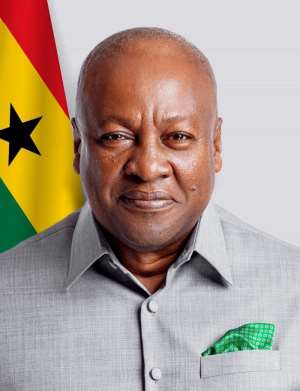
"Asset declaration alone will not end corruption. The real problem lies in how officials skillfully conceal their wealth and exploit systemic weaknesses to evade justice."
On February 18, 2025, President John Dramani Mahama reaffirmed his commitment to fighting corruption by publicly declaring his assets to Auditor-General Johnson Akuamoah Asiedu. He sternly warned appointees: "Those who fail to declare their assets by March 31 will face severe sanctions, including removal from office."
This move is undoubtedly commendable. It signals a willingness to address the pervasive corruption issue that has plagued Ghana for decades. However, the critical question remains: Is asset declaration alone sufficient to curb corruption?
If public officials truly have nothing to hide, why do so many resist declaring their assets? The answer lies in the intricate web of deception that corrupt officials have woven over the years. They have mastered the art of exploiting legal and procedural loopholes to amass wealth while maintaining a façade of integrity. If Ghana is serious about tackling corruption, we must go beyond mere asset declarations and confront the sophisticated tactics used to evade scrutiny.
The Secret Playbook: How Corrupt Appointees Conceal Their Wealth
- The Proxy Game: Hiding Wealth Under Family and Friends: Corrupt officials often avoid registering assets in their names. Instead, they channel their wealth through spouses, siblings, close associates, or even distant relatives. On paper, these officials appear to live modestly, but in reality, they control vast fortunes hidden under the names of trusted proxies. This tactic not only shields their wealth from scrutiny but also complicates efforts to trace illicit gains.
- Offshore Accounts and Foreign Investments: Some officials secretly transfer millions of cedis into offshore accounts, invest in foreign businesses, or purchase luxury properties abroad. These assets remain untouchable, far from the reach of Ghana’s anti-corruption agencies. By operating beyond national borders, they exploit weak international cooperation and legal frameworks to safeguard their ill-gotten wealth.
- Fake Business Ownership and Money Laundering: Another common tactic involves setting up businesses that serve as fronts for laundering money. Corrupt officials award inflated government contracts to these businesses, then siphon funds through fictitious expenses, inflated invoices, and consultancy fees. These schemes create a veneer of legitimacy while diverting public funds into private pockets.
- Underreporting or Omitting Assets in Declarations: Some public officials deliberately undervalue their properties or omit key assets entirely when filing declarations. Weak verification mechanisms and a lack of rigorous oversight allow these fraudulent declarations to go unchecked. This enables corrupt individuals to maintain a false image of compliance while hiding their true wealth.
- Shell Companies and Trust Funds: To further obscure their tracks, some appointees establish shell companies or trust funds. These entities act as legal shields, making it nearly impossible to trace ownership back to the officials. By layering their wealth through complex corporate structures, they create a maze that frustrates even the most determined investigators.
Beyond Asset Declaration: The Urgent Need for Stricter Measures
While requiring appointees to declare their assets is a positive step, it is merely the beginning. Without a robust system to verify and investigate these declarations, corrupt officials will continue to exploit loopholes and evade accountability. To truly combat corruption, Ghana must implement the following measures:
- Independent Verification of Asset Declarations: The Auditor-General’s office must do more than collect forms. It should actively investigate and cross-check declared assets against real estate records, business registrations, bank statements, and other financial data. This will ensure that declarations are accurate and complete.
- Strict Lifestyle Audits for Public Officials: If an official’s lifestyle—luxury cars, expensive homes, or lavish spending—exceeds their known income, it should trigger an immediate and thorough investigation. Lifestyle audits are a powerful tool for identifying discrepancies and uncovering hidden wealth.
- Whistleblower Protection and Incentives: Those who expose corruption must be given robust legal protection and financial incentives. Whistleblowers play a critical role in uncovering wrongdoing, but fear of retaliation often silences them. A secure and incentivized system would encourage more individuals to come forward.
- Seizure and Forfeiture of Unexplained Wealth: Any public official found with undeclared or unexplained wealth should face not only dismissal but also the seizure of their assets. Legal proceedings should be initiated to recover stolen funds and return them to the public purse.
- Public Access to Asset Declarations: Asset declarations should be made accessible to the public, allowing media, civil society organizations, and ordinary citizens to scrutinize them. Transparency is the best disinfectant for corruption, and public oversight can serve as a powerful deterrent.
A Wake-Up Call to Ghanaians
The fight against corruption cannot be won with half-measures. Ghana has lost billions of cedis to corruption, and every cedi stolen represents a missed opportunity to improve healthcare, education, infrastructure, and other critical sectors. The time for real accountability is now.
Mr. President, your directive is a step in the right direction, but it is not enough. Appointees who fail to declare their assets are not merely negligent—they are deliberately hiding something. If we do not expose and hold them accountable, we will continue to be victims of a system that rewards corruption while punishing honesty.
This is not just a call to the government but to all Ghanaians: We must demand transparency, ask tough questions, and hold our leaders accountable. The future of our nation depends on it. Corruption thrives in secrecy, and it is time to lift the veil on those who betray the public trust.
"If we sit back and do nothing, we are complicit. It’s time for action—demand accountability now!"
#Puobabangna
By Victor Plance from Eggu in the Upper West Region of Ghana

 Mysterious illness leaves children struggling to walk, hear in Mafi Kope
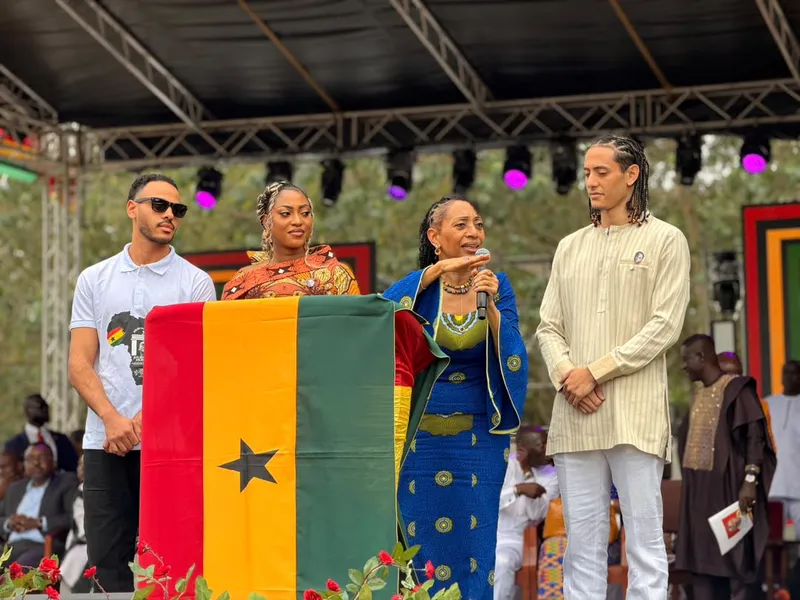 ‘We’ve come back to make sure our father's ideas never die’ – Nkrumah family
 Ghana Jollof: Akosua Manu appeals to Naana Jane to use her influence to free Sal...
 Yellow fever confirmed in Sissala East after 21 mysterious deaths
 Kenyasi man allegedly attacked by prison officers and inmates over yam theft cla...
 Germany’s far-right AfD makes strong gains in two state elections
 Savannah Regional Minister, IGP Yohuno visit Gbindabuor following lynching of po...
 Jehovah's Witnesses make blood component decisions a matter of personal conscien...
 Road contractors fed on contracts for years without completing projects – Alhass...
 Ghana Jollof saga: ‘She has no right to do what she’s doing’ – Inusah Fuseini


