




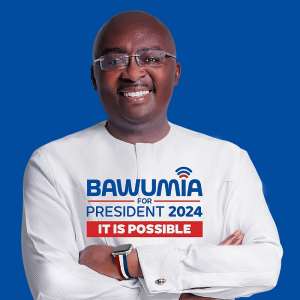
The New Patriotic Party (NPP) suffered a setback in the 2024 general elections, a loss that can be attributed to several key factors. Firstly, the state of Ghana's economy played a significant role in swaying voter sentiment. Years of rising inflation, a depreciating cedi, and mounting debt left many Ghanaians feeling financially squeezed, eroding the government's popularity. While global factors like the COVID-19 pandemic and the war in Ukraine impacted economies worldwide, we struggled to convince voters that it had the solutions for Ghana's economic woes.
Secondly, the NPP faced internal challenges, including public fallout with influential religious figures, notably Reverend Owusu Bempah, whose association with the party was once seen as a political asset. The break in relations with men of God like Bempah alienated parts of the electorate who viewed religious endorsements as key to securing divine favor in elections. This conflict, combined with the perception that the NPP was losing its spiritual and moral grounding, further eroded its support base.
Historically, Ghana's elections follow a pattern where the ruling party tends to lose after two terms in office, and the 2024 election was no exception. This cycle is compounded by voter fatigue with the incumbents, especially after the challenges faced during their tenure. So, already the NPP was at a disadvantage going into the 2024 elections.
Another significant factor contributing to the NPP's defeat was its strained relationship with the media. Traditional media outlets, which should have been crucial in amplifying the party's message, largely turned against the government. Many media houses focused on negative stories, often distorting facts and preventing Dr. Mahamudu Bawumia’s message from reaching the electorate. This media bias, particularly during a time when accurate information was needed to explain government policies and decisions, further complicated the NPP’s ability to connect with voters.
To avoid repeating the same mistakes, the NPP must take a strategic and forward-thinking approach in the lead-up to the 2028 elections. First, the party should avoid the temptation of blame games. Pointing fingers at President Nana Addo Dankwa Akufo-Addo and his appointees for the loss will not help the party heal or regain trust. Instead, the focus should be on collective responsibility and learning from the past while moving forward with a unified agenda.
Additionally, the NPP should not base its hopes for a comeback on the failure of the National Democratic Congress (NDC) over the next four years. Instead, the party must proactively build bridges with all key stakeholders. These include bloggers, media personnel, religious leaders, civil society organizations, and Ghanaian businesspeople. By fostering these relationships, the NPP can expand its support base and ensure its message reaches a wider audience.
Looking ahead to the 2028 election cycle, the NPP must implement key strategies to regain its footing. One such strategy should be rebuilding its relationship with the media, ensuring that the party's narrative is effectively communicated and the party's messages are given fair coverage. The NPP must also focus on expanding its electoral college by allowing all card-carrying members to become delegates. This would democratize the selection process and eliminate the internal party challenges often seen in primaries, ensuring a broader base of support.
Finally, the NPP must prioritize unity. In times of crisis, internal divisions within the party have often weakened its chances, and the 2024 elections demonstrated the consequences of disunity. A united front, especially during crucial moments in the campaign cycle, will be essential for the party's success in 2028. By addressing these concerns—economic stability, media relations, electoral inclusivity, party unity, and strategic collaboration with influential stakeholders—the NPP can position itself for a stronger comeback in 2028.

 Bolgatanga: Man found dead by roadside in Sumbrungu as police investigate
 Ghana concludes cocoa freight negotiations for 2026/27 season
 Blakk Rasta accuses Gushegu NPP MP Alhassan Tampuli of funding Ghana Jollof atta...
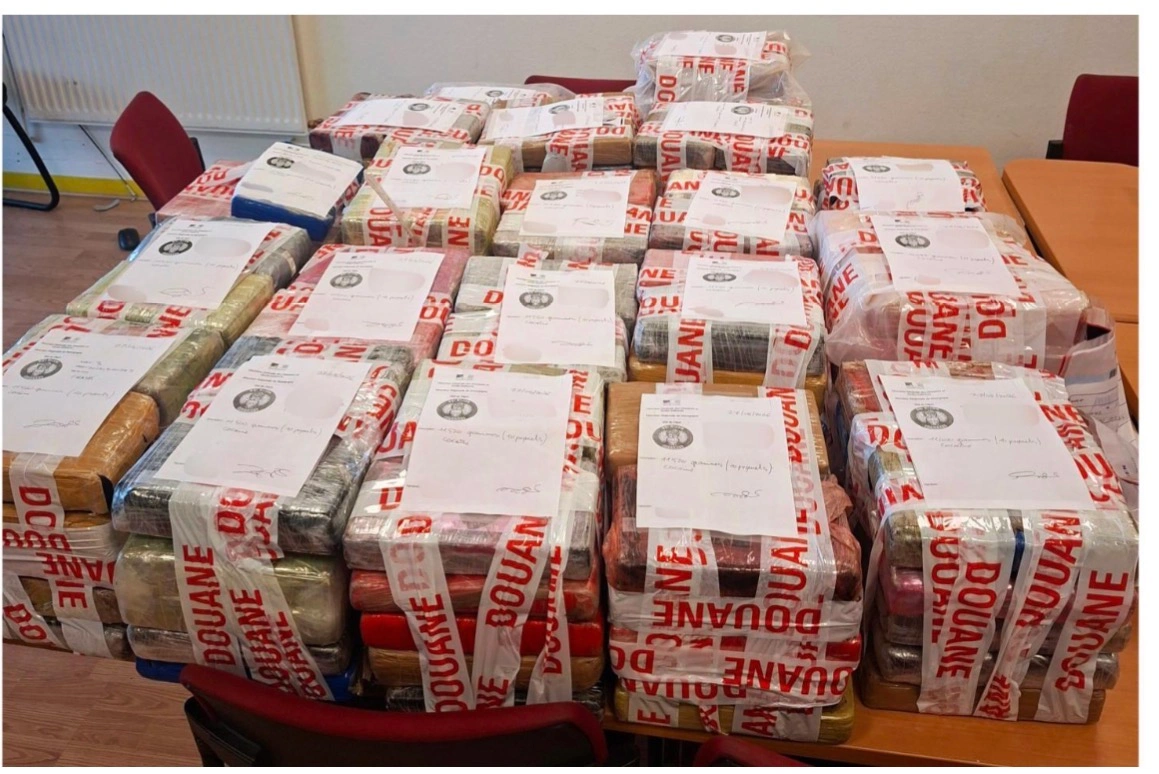 €225m Cocaine Shipment: Court to rule on bail application of six accused in 3.9-...
 BoG pilots cedi-based payment system for Ghana-China trade
 2026 BECE: Ten schools score zero percent in Adaklu as girls outperformed boys
 Gold shipments resume as Ghana rebuilds foreign exchange reserves — BoG governor
 ECG unions to stage nationwide protest over proposed private sector participatio...
 ‘That penalty is a joke’ — Queiroz rejects referee decision in Ghana’s loss to C...
 'Sceptics, naysayers, alarmists should be aware US ready to work with Ghana on r...


