




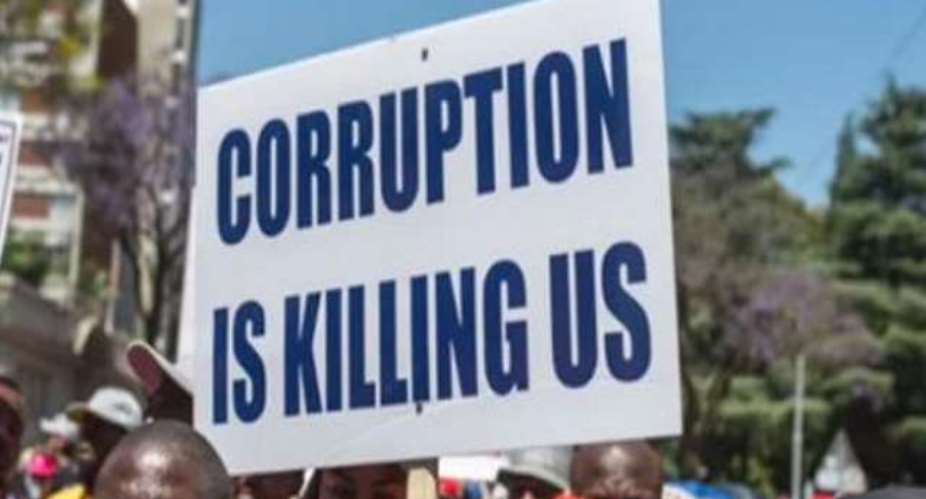
Corruption remains a persistent challenge to public finance management in Ghana, undermining economic growth, public trust, and resource allocation. Internal control weaknesses within public institutions are a critical factor contributing to this issue. Addressing these gaps is essential for enhancing accountability, improving fiscal discipline, and fostering sustainable development. This article explores the interplay between corruption and internal control deficiencies in Ghanaian public finance, highlighting the impact, underlying causes, and potential solutions.
The Impact of Corruption on Public Finance
Corruption in public finance significantly impairs the effective delivery of public goods and services. Misappropriation of funds, embezzlement, and procurement fraud deplete resources meant for critical sectors such as health, education, and infrastructure. For instance, irregularities in Ghana’s public procurement processes have led to inflated contracts and delayed projects, draining the national budget and increasing the burden on taxpayers.
Corruption also erodes public trust in government institutions. When citizens perceive widespread mismanagement of public resources, it diminishes their willingness to comply with tax obligations, further straining the government’s ability to generate revenue. Additionally, international investors are less inclined to engage with economies plagued by corruption, reducing foreign direct investment and limiting economic opportunities.
Internal Control Weaknesses: A Catalyst for Corruption
Internal controls are mechanisms designed to ensure the efficient and ethical use of public resources. However, in Ghana, significant weaknesses in these systems have created an environment conducive to corruption. Common issues include:
- Lack of Transparency: Inadequate reporting and opaque processes in financial management create opportunities for illicit activities to go undetected.
- Weak Audit Systems: Insufficient capacity and independence of audit institutions compromise their ability to identify and address financial irregularities effectively.
- Ineffective Monitoring: Limited oversight of public funds at both national and local government levels enables unauthorized expenditures and misuse of resources.
- Inadequate Training: Public sector staff often lack the technical skills needed to implement and maintain robust internal control systems, leaving institutions vulnerable to financial mismanagement.
Tackling Corruption Through Stronger Internal Controls
To address corruption and improve public finance management in Ghana, a multifaceted approach is required. The following strategies could help strengthen internal controls and reduce vulnerabilities:
- Enhancing Transparency: Adopting digital tools for financial reporting and procurement processes can increase transparency and minimize human intervention, reducing opportunities for fraud. Public access to budgetary and expenditure information also promotes accountability.
- Empowering Audit Institutions: Providing adequate resources and ensuring the independence of audit bodies can enhance their effectiveness in detecting and addressing irregularities. Regular audits and public disclosure of findings are crucial for fostering accountability.
- Strengthening Oversight Mechanisms: Establishing clear lines of accountability and increasing the role of independent oversight bodies, such as parliamentary committees and civil society organizations, can improve the monitoring of public funds.
- Capacity Building: Training public sector employees on best practices in financial management and internal controls is vital for reducing errors and inefficiencies. Specialized training programs can equip staff with the skills needed to detect and prevent corruption.
- Leveraging Technology: Implementing digital payment systems, blockchain technology, and data analytics can improve traceability and reduce opportunities for fraudulent activities within public finance.
The Role of Public Engagement
Fighting corruption requires collective action. Engaging citizens in governance processes, such as participatory budgeting and social accountability initiatives, empowers them to hold public officials accountable. By fostering a culture of transparency and ethical behavior, Ghana can build public trust and strengthen its democratic institutions.
Case Studies: Success Stories from Ghana
Ghana has already made strides in reforming certain sectors. For example, the implementation of GIFMIS has enhanced budgetary oversight and minimized financial leakages. This initiative demonstrates the potential of technology and strategic reforms to address systemic issues. Expanding such efforts across other sectors could yield significant benefits, showcasing Ghana’s capacity for meaningful change when decisive actions are taken.
Conclusion
Corruption and internal control weaknesses remain significant barriers to effective public finance management in Ghana. By addressing these challenges through enhanced transparency, robust audit systems, and capacity building, the country can pave the way for a more efficient and accountable financial system. Ultimately, combating corruption is not just a governmental responsibility but a collective effort that requires the commitment of all stakeholders, from policymakers to citizens. Strengthening internal controls is not merely a technical solution; it is a critical step toward achieving sustainable development and restoring public trust in Ghana’s governance.


 Govt to distribute first batch of 129 vehicles to MMDCEs in 12 regions
 UG Vice-Chancellor calls for oral exams, project-based assessment to deal with A...
 'I will use everything I have to clear my name' – Obuasi SHTS headmaster fights ...
 NPA to strengthen ties with UMaT to drive downstream petroleum sector
 'Report school abuse directly to Education Ministry' – Deputy Minister tells stu...
 'It's a curse on you' – Water Minister badmouths 'malware' workers sabotaging Gh...
 Tap water no longer drinkable near South Africa capital
 96 health facilities under construction in Ashanti Region
 Afenyo-Markin files fresh suit against Sammy Gyamfi, Eric Adjei over extortion c...
 GoldBod reforms create 4,866 direct jobs in less than two years — Sammy Gyamfi


