




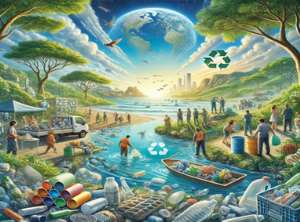
Plastic pollution has reached crisis levels, threatening ecosystems, human health, and the planet's future. Addressing this issue demands bold action through innovative solutions, systemic changes, and a collective commitment to a zero-waste lifestyle. By envisioning a world free of plastic waste, we can unlock infinite positive impacts for the environment and society.
The Plastic Crisis
Each year, the world produces over 380 million tons of plastic, with half designed for single use. Only 9% of this plastic is recycled, while the remainder ends up in landfills, incinerators, or the natural environment (UNEP, 2021). Marine ecosystems bear the brunt of this pollution, with over 8 million tons of plastic entering the oceans annually, harming wildlife and disrupting ecosystems (Jambeck et al., 2015).
Plastics also pose significant risks to human health. Microplastics, found in water, food, and air, have been linked to inflammation, toxicity, and long-term diseases (Campanale et al., 2020). The scale of plastic pollution underscores the urgent need for systemic change to eliminate waste at its source.
Embracing a Zero-Waste Approach
A zero-waste approach prioritizes waste prevention, resource efficiency, and the elimination of single-use plastics. It involves redesigning production and consumption systems to ensure all materials are reused, recycled, or composted, leaving nothing to pollute the environment. Key strategies for achieving zero waste include:
- Redesigning Products and Packaging
Innovation in product design is crucial for reducing plastic dependency. Biodegradable materials, reusable packaging, and modular products designed for longevity can replace single-use plastics. For example, companies like Loop have introduced reusable packaging systems, enabling consumers to return containers for cleaning and reuse, significantly reducing waste (Asiedu, 2023).
- Promoting Refill and Repair Systems
Refill stations for household products like detergents and personal care items eliminate the need for disposable plastic containers. Similarly, repair programs extend the lifespan of products, reducing the demand for new plastics. Cities like San Francisco have successfully implemented zero-waste initiatives by mandating repair and reuse programs (Zero Waste International Alliance, 2020).
- Expanding Recycling Infrastructure
Enhanced recycling technologies, such as chemical recycling, can process a broader range of plastics and create higher-quality materials. Investments in recycling infrastructure are critical for increasing recycling rates and reducing environmental leakage. Public-private partnerships can play a significant role in building these systems.
Policy Measures to Eliminate Plastic Pollution
Governments have a central role in driving the transition to zero waste. Policies such as bans on single-use plastics, extended producer responsibility (EPR), and incentives for sustainable alternatives create an enabling environment for change. For instance, Ghana’s Plastic Waste Management Policy mandates the use of biodegradable alternatives and encourages investments in recycling (Ampadu & Mensah, 2022).
International cooperation is equally essential. Global agreements, like the Basel Convention’s restrictions on plastic waste exports, can curb transboundary pollution and ensure accountability across nations.
Community-Led Solutions
Local communities are at the forefront of combating plastic pollution. Grassroots movements, such as beach cleanups and zero-waste workshops, raise awareness and inspire collective action. Social enterprises like Plastic Bank empower communities by offering financial rewards for collected plastic waste, fostering economic opportunities while reducing pollution (Wilson et al., 2012).
Infinite Benefits of Zero Waste
- Environmental Restoration
Eliminating plastic pollution restores ecosystems, enhances biodiversity, and mitigates climate change. Reduced plastic production decreases fossil fuel use, lowering greenhouse gas emissions and curbing global warming.
- Improved Public Health
A zero-waste lifestyle minimizes human exposure to toxic chemicals associated with plastics. Cleaner environments lead to better respiratory health, reduced disease burdens, and improved overall well-being.
- Economic Growth
The shift to zero waste creates green jobs in recycling, composting, and sustainable product design. A circular economy driven by resource efficiency generates economic value while reducing costs associated with waste management and environmental damage.
Challenges and Opportunities
Achieving zero waste is not without challenges. High initial costs, resistance from industries, and limited infrastructure can hinder progress. However, these obstacles present opportunities for innovation, collaboration, and education. Governments, businesses, and individuals must work together to overcome barriers and accelerate the transition to a plastic-free future.
Conclusion
Ending plastic pollution for good is both an environmental imperative and a societal opportunity. By adopting a zero-waste approach, we can protect ecosystems, improve public health, and foster sustainable economic growth. The journey toward zero waste requires systemic changes, innovative solutions, and unwavering commitment from all stakeholders. Together, we can create a world where waste is a thing of the past, unlocking infinite possibilities for a cleaner, healthier planet.
By Mufarrj Alsubaiy
ESG/Environmental Sustainability Consultant
Rising World Initiative
[email protected]
References
Ampadu, K., & Mensah, P. (2022). Biodegradable packaging solutions in Ghana: A sustainable alternative to plastics. Journal of Environmental Innovation, 18(2), 45-56.
Asiedu, J. (2023). Ghana’s Plastic Waste Management Policy: Progress and challenges. Ghanaian Environmental Review, 13(1), 20-30.
Campanale, C., Massarelli, C., Savino, I., Locaputo, V., & Uricchio, V. F. (2020). A detailed review study on potential effects of microplastics and additives of concern on human health. International Journal of Environmental Research and Public Health, 17(4), 1212. https://doi.org/10.3390/ijerph17041212
Jambeck, J. R., Geyer, R., Wilcox, C., Siegler, T. R., Perryman, M., Andrady, A., Narayan, R., & Law, K. L. (2015). Plastic waste inputs from land into the ocean. Science, 347(6223), 768-771. https://doi.org/10.1126/science.1260352
UNEP. (2021). From pollution to solution: A global assessment of marine litter and plastic pollution. United Nations Environment Programme. Retrieved from https://www.unep.org
Wilson, D. C., Velis, C., & Cheeseman, C. (2012). Role of informal sector recycling in waste management in developing countries. Habitat International, 30(4), 797-808. https://doi.org/10.1016/j.habitatint.2012.03.005
Zero Waste International Alliance. (2020). What is zero waste? Retrieved from https://www.zwia.org


 Halt proposed VALCO sale — ICU-Ghana tells Mahama
 Security beef up at Krobo College of Nursing and Midwifery during students prote...
 EOCO probe: IMCC insists forensic audit findings implicated Miracles Aboagye
 NDC rules out deadline extension for govt appointees seeking party positions
 80 to 90% of the people you saw wearing red protesting were not VALCO workers — ...
 Here are areas to be affected by ECG's planned maintenance on Tuesday
 NDC supporters mass at Kasoa Police Station after arrest of Zongo Ward Organiser
 Police arrest 93 suspected drug traffickers in Major Ashanti Region crackdown
 Chief Justice directs all courts to suspend sittings for Supreme Court 150th ann...
 63% Ghanaians support establishment of tribunals – Global InfoAnalytics poll

