




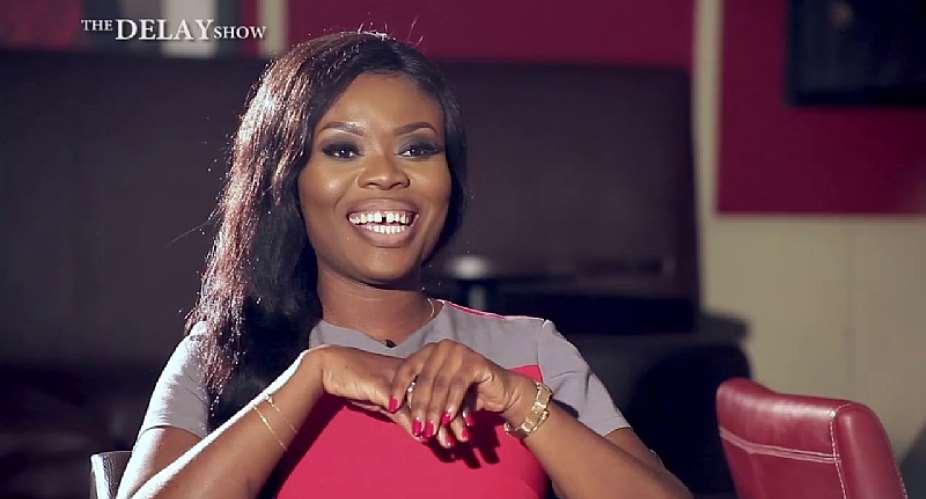
The recent revelations from Akua Donkor about her harrowing experience on Delay's show nearly a decade ago have sparked outrage and highlighted the urgent need for accountability in the media industry. As a respected and influential media personality, Delay holds a powerful platform that comes with immense responsibility. Her treatment of Akua Donkor during that interview was a grave dereliction of that responsibility, and she must now use that same platform to offer a sincere and meaningful apology.
The details shared by Akua Donkor are deeply disturbing. Rather than approaching the interview with professionalism and respect, Delay appeared to deliberately provoke and humiliate her guest. Invoking derogatory terms like "mad woman" and suggesting she needed to be physically disciplined crossed a clear line. These were not mere playful jabs, but malicious attempts to undermine and degrade a woman who deserved to be treated with dignity.
Delay's actions are made all the more repulsive by the fact that Akua Donkor is not just any guest, but someone who is at least as old as her mother. The host's behavior was not only unprofessional but also displayed a disturbing lack of regard for her guest's stature and life experiences.
Akua Donkor's decision to curse Delay after the interview is understandable, though not necessarily the most constructive response. The pain and indignation she felt in that moment is palpable, and it speaks to the deep emotional toll that Delay's actions must have taken. While we cannot condone the use of curses, it is important to recognize the human element and the very real harm that Delay's conduct inflicted.
Now, nearly a decade later, Delay has a moral obligation to address this incident and make amends. Her platform, The Delay Show, has become one of the most most watched TV Shows in Ghana, commanding the attention of millions. She need to use that platform to take responsibility for her actions and offer Akua Donkor a sincere and heartfelt apology.
This apology must go beyond a simple statement of regret. It should be a deeply reflective and introspective process, where Delay acknowledges the gravity of her mistakes, the impact they had on Akua Donkor, and her own growth and evolution as a person. She should use this opportunity to model the kind of accountability and self-awareness that she often demands from her own guests.
Furthermore, Delay should use this moment to spark a broader conversation about the need for professionalism, empathy, and respect in the media industry. Her actions that day were not just a personal affront to Akua Donkor, but a reflection of a broader culture of media sensationalism and disregard for the dignity of guests. By taking responsibility and using her platform to address this issue, Delay can set an example for others in the industry and help drive positive change.
Ultimately, this is not just about one interview or one incident. It is about upholding the fundamental principles of journalism and human decency. Delay has built a formidable media empire, but with that power comes an obligation to wield it responsibly and with care for those whose lives she touches. By apologizing to Akua Donkor and using her platform to champion a more ethical and compassionate approach to media, Delay can not only make amends, but also inspire a new generation of media professionals to follow in her footsteps.


 Mysterious illness leaves children struggling to walk, hear in Mafi Kope
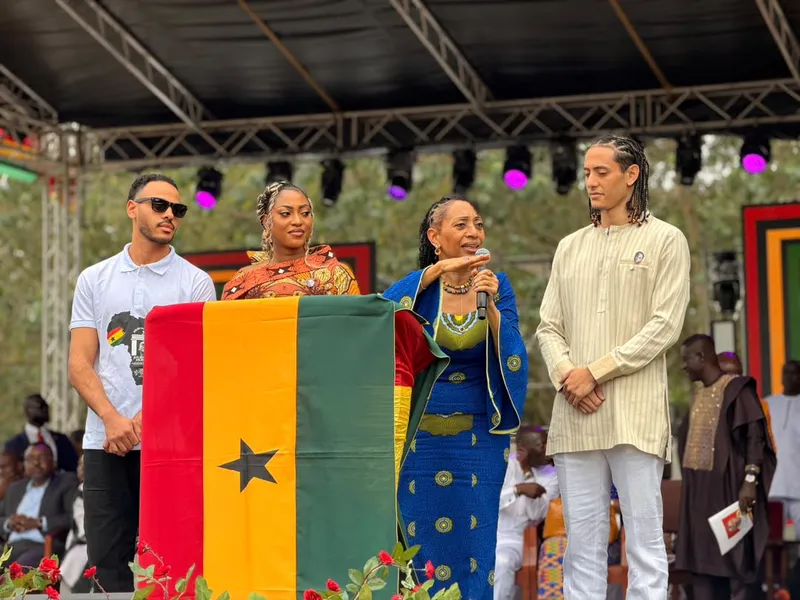 ‘We’ve come back to make sure our father's ideas never die’ – Nkrumah family
 Ghana Jollof: Akosua Manu appeals to Naana Jane to use her influence to free Sal...
 Yellow fever confirmed in Sissala East after 21 mysterious deaths
 Kenyasi man allegedly attacked by prison officers and inmates over yam theft cla...
 Germany’s far-right AfD makes strong gains in two state elections
 Savannah Regional Minister, IGP Yohuno visit Gbindabuor following lynching of po...
 Jehovah's Witnesses make blood component decisions a matter of personal conscien...
 Road contractors fed on contracts for years without completing projects – Alhass...
 Ghana Jollof saga: ‘She has no right to do what she’s doing’ – Inusah Fuseini


