




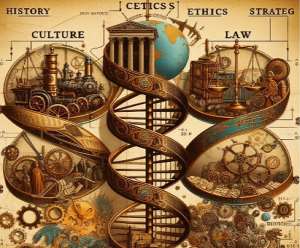
As the world grapples with the complexities of national building and development, five essential elements emerge as the cornerstones of progress: History, Culture, Law, Strategy, and Ethics. These interconnected pillars form a quintuple helix that propels nations towards prosperity, justice, stability, and a strong sense of identity.
History: The Foundation of National Identity
Understanding a nation's history is crucial for building a strong foundation for development. History provides context, informs decision-making, and shapes national identity.
Culture: The Fabric of National Identity
Culture is the fabric that weaves a nation's identity, values, and traditions together. It shapes behavior, influences decision-making, and fosters a sense of belonging. Developing worlds must preserve and promote their cultural heritage, while embracing diversity and inclusivity.
Law: The Framework for Justice and Order
A robust legal framework is vital for ensuring justice, equality, and human rights. Laws must be clear, accessible, and regularly updated to reflect changing circumstances.
Strategy: The Roadmap for Development
A well-crafted strategy sets the tone for national development, prioritizing goals, and allocating resources effectively.
Ethics: The Moral Compass of National Building
Ethics serves as the moral compass guiding national building, ensuring that decisions align with values like integrity, transparency, and accountability.
Interconnectedness and Synergy
The quintuple helix of History, Culture, Law, Strategy, and Ethics is interconnected and interdependent. Each element reinforces and complements the others, creating a synergy that drives national building and development.
Conclusion
In conclusion, the quintuple helix of History, Culture, Law, Strategy, and Ethics is essential for national building and development, particularly in developing worlds. By embracing these five pillars, nations can learn from their past, establish a robust legal framework, develop inclusive strategies, embed ethical principles, and preserve their cultural heritage. By recognizing the interconnectedness and synergy of these elements, developing worlds can unlock their full potential, overcome challenges, and build a brighter future for generations to come.


 Transport fares increased 8% from September 26
 Golokuati residents call for operationalisation of abandoned ECG office
 Frank Danquah declared wanted over alleged narcotics offences
 Ghana TVET Service warns against collection of fees in TVET institutions
 16 arrested as National Security uncovers counterfeit currency printing syndicat...
 Work without fear or favour — Shamima Muslim urges broadcasters
 MFWA begins 5-day training for journalists from northern sector on media law and...
 A/R: Assemblyman for Nkwantakese Electoral area killed
 Kumasi: Roadside trader killed in tragic accident at Brewery Traffic Light in As...
 Law student petitions CHRAJ over alleged military killing of Gbewaa Training Col...


