




Presidential debates are fundamental to democratic participation, serving as a platform for candidates to articulate their vision, policies, and initiatives to the electorate. These debates, as a component of the public sphere, are pivotal in shaping voter perceptions and enriching democratic dialogue. In Ghana, the Institute of Economic Affairs (IEA) has played a pivotal role in organizing presidential debates since the inaugural event in the year 2000. Nevertheless, the absence of legislative support presents significant challenges to the realization of their potential to enhance political engagement and democratic involvement in Ghana.
Role of Presidential Debates in Democratic Discourse
Presidential debates play a crucial role in facilitating the exchange of critical information, messages, and ideas among candidates, political parties, governments, interest groups, and the general public. They provide a platform for the application of diverse methods, channels, and tactics that are aimed at influencing public opinion, shaping political discourse, and mobilizing voters towards active participation in the democratic process. In the realm of political communication, this encompasses not only the substance of the messages but also the mode of their delivery, ranging from traditional speeches to digital platforms like social media, as well as through advertising and debates. The ultimate objective frequently revolves around persuading, informing, or engaging the electorate on pivotal issues, policies, and choices in leadership. These debates serve as a microcosm of the democratic process, allowing for the presentation and scrutiny of ideas, policies, and character, ultimately assisting voters in making informed decisions.
Presidential Debates in Advanced Countries
In advanced democracies like the United States, and the UK, presidential debates are a critical component of the electoral process. They are not only well-publicized events but are also taken seriously by both the candidates and the electorate. The influence of these debates on voter behaviour is well-documented. For instance, the first presidential debate between Joe Biden and Donald Trump in 2024 was a decisive moment that influenced public perception, especially given Biden’s perceived poor performance. This impact is evident in U.S. elections, where debates are seen as pivotal in swaying undecided voters and solidifying opinions. Also, in the much-publicized presidential debate between Vice President and Democrat Presidential Nominee, Kamala Harris and Donald Trump, it emerged that Vice President Kamala Harris won the debate, but will she win the November polls?
Challenges of Ghana’s Presidential Debate
Ghana’s experience with presidential debates, however, contrasts sharply with that of the U.S. The lack of legislation mandating participation in these debates has led to a lack of interest from major political parties. In 2016, the New Patriotic Party (NPP), led by Nana Akufo-Addo, declined an invitation to participate in the IEA debate. Similarly, in 2024, the National Democratic Congress (NDC), under John Dramani Mahama, has also declined a call to debate. This trend undermines the significance of debates as a tool for political accountability and voter engagement. The challenges facing presidential debates in Ghana are multifaceted.
Firstly, the voluntary nature of participation means that political parties can easily opt out without facing any repercussions. Unlike in the U.S., where debates are organized by a bipartisan commission and are seen as a vital part of the electoral process, in Ghana, debates are organized by a private think tank, the IEA. This lack of formalization diminishes the debates’ importance and reduces their potential impact on the electorate. The lack of trust and transparency in the IEA to organize a free and fair debate by stakeholders raises serious concerns. In previous presidential debates, it was alleged preferential treatment which included questions being leaked to one of the presidential candidates in the race to the detriment of the opposing candidate and adjusting the podium of the same candidate.
Moreover, even though messages conveyed such as through a candidate's performance, tone, and ability to articulate his/her vision effectively can sway undecided voters or reinforce the support of their base in many advanced democracies, In Ghana, there is little empirical data to support the notion that presidential debates in Ghana significantly influence voter behaviour. Presidential debates are platforms that hold candidates accountable by providing a public forum where they must defend their policies and past actions. Presidential debates in this setting allow for scrutiny and challenges, pushing candidates to explain their positions and plans more thoroughly.
The U.S Example
A prime example of how debates hold candidates accountable in the U.S. occurred during the 2012 presidential election between incumbent President Barack Obama and Republican challenger Mitt Romney. In the first debate, held on October 3, 2012, Romney aggressively challenged Obama's economic record, particularly focusing on the slow recovery from the 2008 financial crisis and the rising national debt. Romney's performance was widely seen as strong, and he effectively put Obama on the defensive, forcing him to explain and defend his administration's policies on job creation, healthcare, and government spending. This debate was crucial because it allowed voters to see the candidates directly confront each other's records and proposals. Obama's lackluster performance in this debate led to a noticeable dip in his poll numbers, demonstrating the impact that effective political communication and accountability during a debate can have on a campaign. The scrutiny and challenges Romney presented pushed Obama to refine his message and improve his performance in subsequent debates, illustrating how debates can serve as a forum for holding candidates accountable for their past actions and future
Presidential Debate and Voters Choice in Ghana
In contrast with the U.S., where research consistently shows that debates can sway public opinion and even alter the course of elections, the absence of such data in Ghana raises questions about the effectiveness of these debates in shaping voter choices and underscores the need for a more structured approach to their organization and evaluation. To enhance the relevance and impact of presidential debates in Ghana, it is imperative to introduce legislation that mandates the participation of all presidential candidates. Such a law would not only elevate the debates to a critical component of the electoral process but also ensure that candidates are held accountable for their policies and proposals. Furthermore, there is a need for comprehensive research to assess the impact of these debates on voter behaviour, which could guide future improvements in their format and content.
Conclusion
In conclusion, presidential debates are an invaluable tool for deepening democratic discourse and fostering political accountability. While Ghana has made significant strides in incorporating debates into its electoral process, the lack of legislative backing and empirical evidence of their impact remains a challenge. By enacting laws that require candidate participation and conducting research to evaluate their influence, Ghana can enhance the role of presidential debates in its democratic system. As we move toward the 2024 elections, the time is ripe for stakeholders to push for reforms that will make presidential debates a more integral and impactful part of our electoral process.
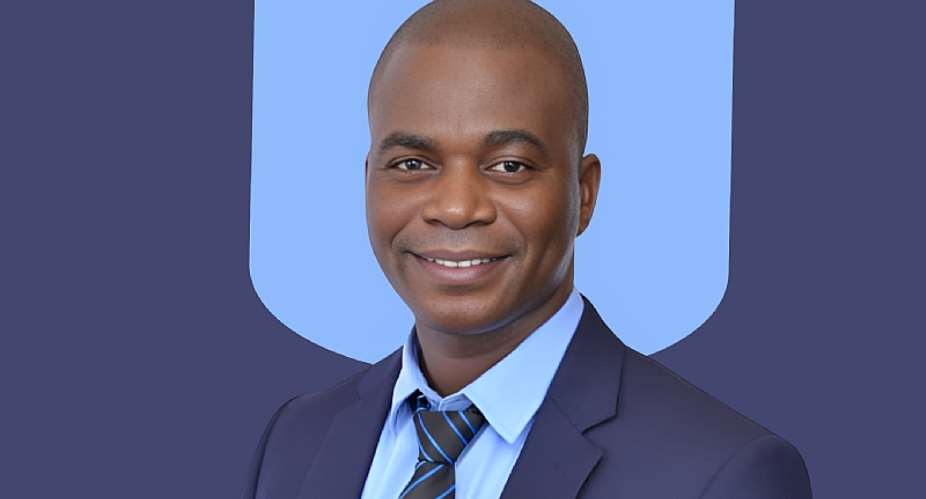
By: Azure Imoro Abdulai,
Political Communication Analyst


 'There is no support’ – Prisons DG explains why ex-inmates are likely to return
 ECG announces nationwide meter audit to combat electricity theft
 Afenyo-Markin, NEIP CEO Eric Adjei settle defamation suit out of court over exto...
 GIS recovers GH¢124,552 in excess salary arrears paid to 23 officers
 Minerals Commission denies Alfred Mahama’s role in Narawa Licence revocation
 No more ‘No Bed’ excuse as Health Minister unveils real-time bed monitoring syst...
 NAGRAT alleges 38 Obuasi teachers targeted for transfers for speaking out agains...
 Immigration Service gives two officers November 7 deadline to refund GH¢57,006 u...
 'Every tonne of waste we dump is a job we bury' — Dr Siaw Agyepong
 GES directs Ashanti regional, Obuasi East educational directors to step aside ov...


