




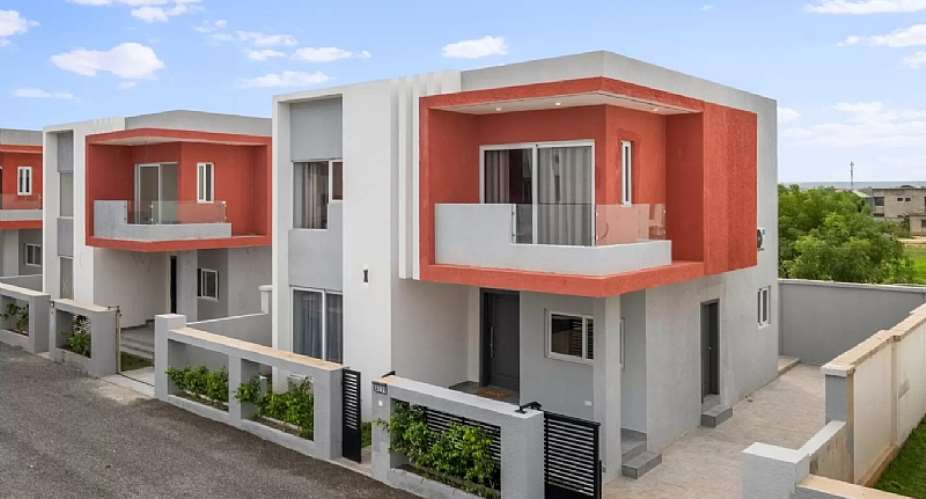
Ghana’s housing market is at a critical juncture. The country's rapid urbanization, coupled with a growing population, has intensified the demand for housing, creating a significant gap between supply and affordability. As the nation strives for economic growth and development, addressing the challenges in the housing sector is essential for achieving sustainable development. This article explores the current state of Ghana’s housing market, identifies key challenges, and proposes actionable strategies for strengthening the sector to support long-term sustainability.
Current State of Ghana’s Housing Market
Ghana’s housing market is characterized by a severe shortage of affordable housing units, particularly in urban areas like Accra and Kumasi. The urban population has surged over the past two decades, leading to a dramatic increase in housing demand. However, the supply of housing has struggled to keep pace, exacerbating issues of affordability and accessibility. High construction costs, limited financing options, and regulatory constraints further complicate efforts to address the housing deficit.
Key Challenges Facing the Housing Market
- Rapid Urbanization and Population Growth: The influx of people into cities has intensified pressure on existing housing infrastructure. As urban areas expand, the need for efficient planning and development becomes increasingly urgent.
- High Construction Costs: Rising costs of building materials and labor have significantly impacted the affordability of new housing projects. The increased cost of essential materials, such as cement and steel, has made it challenging for developers to build cost-effective housing solutions.
- Limited Financing Options: Access to financing remains a major barrier for both developers and potential homeowners. The high-interest rates and short-term nature of loans offered by commercial banks make it difficult to finance large-scale housing projects or purchase homes.
- Regulatory and Policy Constraints: The housing market is often hindered by regulatory and policy challenges. Inadequate enforcement of existing regulations, coupled with bureaucratic inefficiencies, can delay housing projects and increase costs.
Strategies for Strengthening Ghana's Housing Market
- Enhancing Public-Private Partnerships (PPPs): Collaborations between the government and private sector can drive innovation and efficiency in housing development. PPPs can facilitate large-scale projects by leveraging private investment and expertise while ensuring alignment with public policy goals.
- Promoting Affordable Housing Developments: The government should incentivize the construction of affordable housing through tax breaks, subsidies, and streamlined permitting processes. By reducing the financial burden on developers, more affordable housing units can be built to meet the growing demand.
- Expanding Access to Mortgage Financing: Increasing access to long-term mortgage financing is crucial for improving homeownership rates. The government can establish or support mortgage schemes that offer favorable terms for first-time buyers and low-income households.
- Investing in Infrastructure and Urban Planning: Comprehensive urban planning and investment in infrastructure are essential for managing urban growth and improving housing accessibility. Developing infrastructure such as roads, sanitation, and public transportation can enhance the viability of new housing projects and support sustainable urban expansion.
- Encouraging Sustainable Building Practices: Integrating sustainable building practices into housing development can reduce environmental impact and lower long-term costs. Promoting the use of energy-efficient materials and technologies can contribute to more resilient and eco-friendly housing solutions.
- Strengthening Rent Control and Tenant Protection: Effective rent control mechanisms and tenant protection laws can help prevent exploitation and ensure fair rental practices. By enforcing regulations and providing support for tenants, the government can address issues of affordability and housing insecurity.
Conclusion
Strengthening Ghana’s housing market is pivotal for the country’s sustainable development. By addressing the challenges of urbanization, construction costs, financing, and regulation, and by implementing targeted strategies, Ghana can create a more robust and equitable housing sector. This not only supports economic growth but also enhances the quality of life for its citizens. Through collaborative efforts and strategic investments, Ghana can pave the way for a more sustainable and inclusive future in housing.
By Divine Kabu Akplehey
Team lead at Rentstream Gh Limited
[email protected]

 NPA Deputy CEO Dr. Dramani Bukari passes on
 'I’m not a lazy lawyer; I'm not running away' – 'Vacation lawyer' Atta Akyea def...
 George Opare-Addo to petition Education Ministry over rising KNUST hostel fees
 DVLA ready to defend delinquency charges on expired licences in court – CEO
 High Court to continue Mustapha Hamid trial during legal vacation, adjourns to A...
 High Court adjourns Adu-Boahene case to August 11 over absence of defence lawyer...
 EC to review CI 127, introduce dedicated portal for transmitting election result...
 'Wontumi is a significant flight risk' — AG opposes bail application
 Adu-Boahene trial will continue during legal vacation — Court maintains
 Mahama reorganises National Security Secretariat with six appointments

