




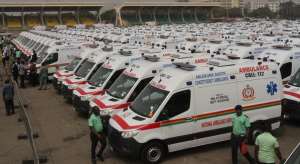
The revelation of a $34.9 million deal for ambulance spare parts in Ghana has unveiled severe mismanagement and potential corruption. This deal, sanctioned by then-Finance Minister Ken Ofori-Atta just four days before leaving office, has rightly sparked outrage. The ambulances, costing $80,000 each, could have been replaced many times over with the funds allocated for their spare parts.
The procurement process was deeply flawed. Service Ghana Auto Group, allegedly linked to President Akufo-Addo’s daughters, did not meet the qualifications for such a significant contract. This connection suggests nepotism and conflicts of interest, undermining public trust in the government.
Furthermore, the Health Ministry's defence that the contract was signed in 2020 rather than 2024 is weak and unconvincing. This discrepancy only adds to the opacity and suspicion surrounding the deal. The Ministry's response fails to address the core issues of exorbitant costs and procurement irregularities.
The $34.9 million price tag for spare parts is alarmingly high, especially when compared to the cost of purchasing new ambulances. With new ambulances ranging from $100,000 to $200,000, the funds could have acquired 175 to 350 new vehicles. Instead, the government chose to sink this vast sum into maintaining an old fleet, a decision that defies financial logic.
What Could Have Been Done: Ensuring Genuine Maintenance
To avoid this scandal, proper arrangements with the manufacturer could have ensured a genuine and cost-effective maintenance regime. Engaging with Mercedes-Benz, the original manufacturer, would have been ideal. Here are some strategies that could have been employed:
1. Manufacturer’s Warranty and Service Agreements: Negotiating comprehensive service agreements with Mercedes-Benz would have ensured that the ambulances were maintained with genuine parts and by certified technicians. These agreements typically cover routine maintenance, repairs, and replacement parts at a fraction of the cost.
2. Standard Maintenance Packages: Establishing standard maintenance packages with Mercedes-Benz, tailored to the specific needs of the fleet, could have guaranteed quality service and genuine parts. These packages often include regular inspections, parts replacement, and emergency repairs, all at predetermined costs.
3. Training and Certification for Local Technicians: Collaborating with Mercedes-Benz to train local technicians would ensure that maintenance work meets the manufacturer’s standards. This initiative would reduce dependency on foreign experts and ensure that the ambulances are maintained to the highest standards.
4. Transparent and Competitive Bidding: Implementing a transparent bidding process with strict criteria for qualification would have prevented the selection of unqualified contractors. Ensuring that only companies with proven expertise and a solid track record in vehicle maintenance are considered would have safeguarded public funds.
Call to Action
Immediate action is needed from the Office of the Special Prosecutor, who has been petitioned to investigate this scandal thoroughly. Transparent procurement processes, stringent conflict-of-interest policies, and rigorous public oversight must be implemented to prevent such misuse of public funds in the future.
Ken Ofori-Atta and the Health Ministry must be held accountable for this egregious mismanagement. The Special Prosecutor must act swiftly to restore public confidence and ensure that those responsible face the full extent of the law. This case must set a precedent that corruption and nepotism will not be tolerated in Ghana’s public sector.
Recommendations for Proper Maintenance and Procurement
To prevent such blatant misuse of public funds in the future, several measures must be implemented:
Transparent Procurement: Establish a rigorous, transparent procurement framework with open tenders and independent evaluations. This ensures fairness and competitiveness.
Conflict of Interest Policies: Enforce strict policies to prevent nepotism, barring officials and their immediate family members from government contracts.
Regular Audits: Mandatory independent audits for all large-scale government contracts can detect and prevent financial irregularities.
Public Oversight: Engage civil society organizations and the public in oversight roles to enhance transparency and accountability.
Cost-Benefit Analysis: Conduct thorough cost-benefit analyses before allocating large sums for maintenance, ensuring financial decisions are prudent.
Conclusion
The $34.9 million ambulance spare parts deal is a glaring example of corruption and financial mismanagement. Immediate action is needed to rectify this situation and prevent future occurrences. By implementing transparent procurement processes, enforcing conflict of interest policies, and enhancing public oversight, Ghana can restore integrity and trust in its public sector transactions. Those responsible for this callous misuse of public funds must be held accountable, setting a precedent that such behaviour will not be tolerated.


 Mahama wants Ghanaian football talents retained longer to revive premier league
 No businessman will sponsor NPP again because of its ‘evil and greedy nature’ – ...
 Failure to jail corrupt NPP officials will haunt NDC in election 2028 – Hopson A...
 Mamprugu Youth calls for crackdown on fake Facebook accounts over alleged false ...
 Mahama appoints Dr Abdul-Baasit Aziz-Bamba as Acting Director-General of Value f...
 2024 teacher recruits’ salary arrears processed — GES
 NPP's failure to continue E-blocks projects worsened SHS placement crisis — Tank...
 "Fix SHS placement bottlenecks for BECE graduates" — Patricia Appiagyei tells go...
 Dr Ayew Afriye secures police enquiry bail for Efya Royal
 UK stranded Barosky to receive psychological, financial support after his repatr...

