




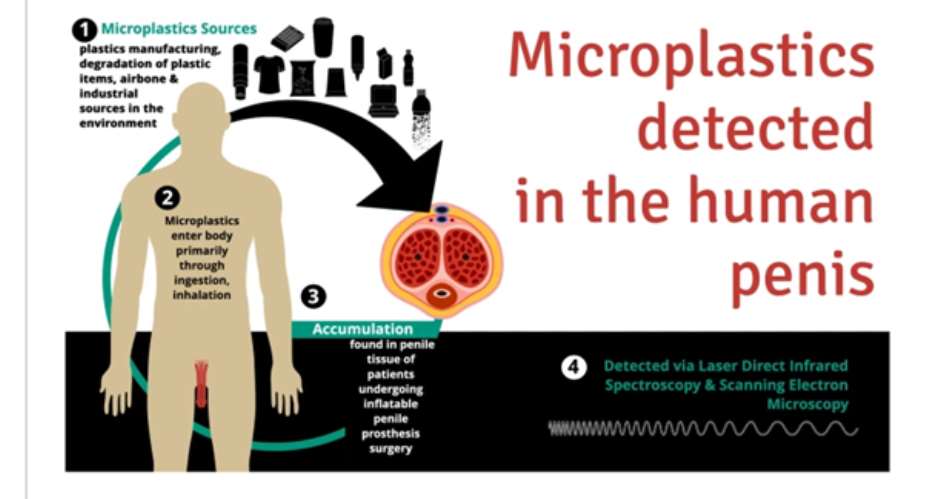
In light of recent research revealing the alarming presence of microplastics in human penile tissue, the Alliance for Sustainability Education (ASEc) has reacted strongly, offering critical insights and advice on how to address this growing threat.
The study, published in IJIR: Your Sexual Medicine Journal, found microplastics in the penile tissue of four out of five men undergoing surgery for penile implants to treat erectile dysfunction (ED). The research identified seven different types of microplastics, with polyethylene terephthalate (PET) and polypropylene (PP) being the most prevalent.
This discovery adds to a mounting body of evidence showing that microplastics have infiltrated various parts of the human body, including the heart and testicles. Previous studies have indicated the presence of microplastics in the human heart, and recent findings reported microplastics and nanoplastics in human testicles at levels three times greater than those found in animal testes, such as those of dogs.
The pervasive nature of microplastics is alarming, with a single liter of bottled water containing up to 240,000 plastic particles, most of which are nano-sized, according to a study by Mason, S. A., Welch, V. G., and Neratko, J. (2018).
In response to these findings, the Alliance for Sustainability Education (ASEc) has issued a statement underscoring the urgency of addressing plastic pollution. ASEc highlighted the severe implications of microplastics on human health and advocated for immediate action to mitigate further contamination.
"These findings are a wake-up call," said ASEc Lead Convenor, Andrews Aibi Junior. "The presence of microplastics in such intimate and critical parts of the human body underscores the need for comprehensive strategies to reduce plastic exposure and pollution."
ASEc emphasizes that the situation will only deteriorate unless drastic measures are taken. The United Nations has predicted that by 2050, there could be more plastic than fish in the world's oceans if the current rate of plastic use continues. This stark warning highlights the urgent need to reduce single-use plastics, such as plastic bags and bottles.
To help individuals minimize their exposure to plastics, ASEc recommends the following steps:
- Drink Tap Water from Non-Plastic Containers: Use glass or stainless-steel containers for drinking water to avoid plastic contamination.
- Avoid Plastic-Packaged Foods and Beverages: Choose products packaged in natural materials instead of plastic.
- Wear Natural Fabrics: Opt for clothing made from natural fibers rather than synthetic ones.
- Avoid Microwaving in Plastic: Do not microwave food or beverages in plastic containers, including infant formula and pumped human milk.
- Avoid Using Plastic in Dishwashers: Heat can cause harmful chemicals to leach out from plastics, so avoid putting plastic items in the dishwasher.
"It is crucial for everyone to take stock of the plastic in their daily lives and seek alternatives whenever possible," Andrews Aibi Junior added. "By making conscious choices and advocating for broader systemic changes, we can reduce our plastic footprint and protect our health from the insidious invasion of microplastics. The time to act is now, for the sake of our health and the planet's future."
As the research continues to unfold, ASEc remains committed to raising awareness and promoting sustainable practices to combat the pervasive threat of microplastics.
Source: Alliance for Sustainability Education

 Cabinet approves Ghana’s bid to join BRICS — Ablakwa
 PAC grills Central Regional Coordinating Council over GH¢14.88m GIFMIS breach
 GoldCoast GRC offshore activities suspended over stakeholder concerns
 Oyibi Area Community Bank manager granted bail for stealing GH¢1million from cus...
 “We don’t have money to fuel DRIP equipment” — Bongo DCE tells Namoo Assemblyman
 Kojo Bamba is one of the answers to NPP’s 2024 defeat – Brako-Powers
 'That road is my sweat; If you doubt let’s swear” — Pusiga MP Fires back at crit...
 Use civil law, not arrests, to address free speech excesses – Afenyo-Markin
 Kojo Bamba's past does not bar him from holding office in NPP – Egyapa Mercer
 India's External Affairs Minister begins 2-day official visit to Ghana


