




Abstract
Histamine is a biogenic amine produced by the human body and also formed in foods through microbial activity. Fermented products, aged cheeses, cured meats, alcoholic beverages and improperly handled fish, particularly tuna, mackerel and sardines, can contain substantial amounts. Histamine already formed in fish is not reliably destroyed by cooking, freezing, smoking, curing or canning, so prevention depends on rapid chilling and temperature control. In susceptible individuals, dietary histamine may be associated with itching, flushing, hives, headache and digestive symptoms. These features overlap with food allergy, chronic spontaneous urticaria and histamine fish poisoning, and diagnosis requires clinical assessment.
This article describes higher and lower histamine foods, including Ghanaian dietary considerations, safe preparation and storage, the use of a food and symptom diary, a short supervised dietary assessment, and the warning signs of anaphylaxis, which requires immediate intramuscular adrenaline.
What if the problem is not just what you eat, but how your food is processed, prepared and stored?
Imagine eating a meal and, shortly afterwards, experiencing intense itching, red patches on your skin, raised rashes, facial flushing or swelling around your lips and eyes. For some people, these symptoms may occur after consuming particular foods. In other cases, they may be associated with food allergy, chronic urticaria or another medical condition.
One substance that deserves attention in this discussion is histamine.
Histamine is naturally produced by the human body and plays important roles in the immune system, digestive system and nervous system. It is also found in certain foods, particularly some fermented, aged, cured and improperly handled products. [3]
In susceptible individuals, consuming foods containing substantial amounts of histamine may contribute to symptoms such as itching, flushing, hives, headaches, digestive discomfort and palpitations. Improper handling and storage of certain fish can also lead to histamine fish poisoning, a recognised food-safety hazard. [2,4]
Understanding histamine is therefore important in clinical nutrition, food safety and public health.
This article explores foods that can contain substantial amounts of histamine, generally lower-histamine food choices, the effects of food processing and storage, factors that may influence symptoms, and practical steps for making informed dietary decisions.
- What is histamine?
Histamine is a naturally occurring chemical messenger classified as a biogenic amine. [3]
The human body produces and stores histamine in specialised cells, particularly mast cells and basophils. When released, histamine acts on specific receptors throughout the body and contributes to several physiological processes.
Its functions include:
-
- Immune responses: Histamine participates in inflammatory and allergic reactions.
-
- Skin responses: It contributes to itching, redness, swelling and hives.
- Digestive function: It stimulates the secretion of stomach acid.
-
- Nervous system function: It acts as a neurotransmitter involved in wakefulness and other neurological activities.
The body also produces enzymes that help break down histamine. Two important enzymes are diamine oxidase (DAO) and histamine N-methyltransferase (HNMT). [3]
DAO helps metabolise histamine outside cells, particularly in the intestinal environment, while HNMT contributes to histamine metabolism within cells. [3]
Dietary histamine is therefore relevant to both the amount of histamine present in food
and the body's ability to process itr
- How does histamine accumulate in food?
Histamine can accumulate in food through microbial activity.
Certain bacteria produce an enzyme called histidine decarboxylase, which converts the amino acid histidine into histamine. [3,4]
This process is particularly important in susceptible fish and some fermented food products.
The amount of histamine that develops depends on several factors:
- The type of food and its natural composition.
- The microorganisms present.
- Fermentation and maturation conditions.
- Processing and preservation methods.
- Storage temperature.
- The length of storage.
Histamine levels can vary considerably within the same food category. Two products that appear similar may contain very different amounts depending on their ingredients, production methods, microbial activity and storage conditions. [3]
This variation is important when assessing dietary histamine exposure.
- Foods that can contain high levels of histamine
Certain food categories are recognised as potential sources of substantial dietary histamine. However, the actual amount can vary significantly between products. [2,3]
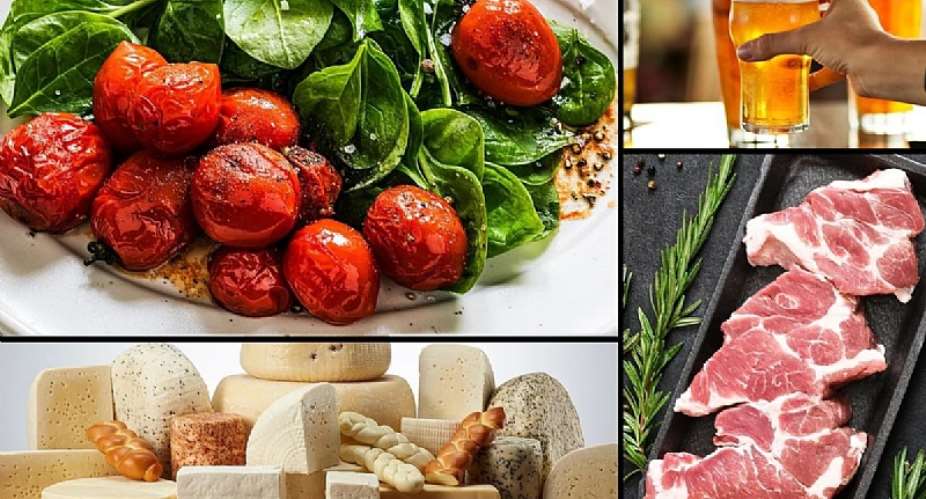
- Fermented foods
Fermentation involves microorganisms transforming food components. Some of these microorganisms can produce histamine during the process. [3]
Examples include:
- Fermented fish.
- Fish sauce.
- Certain fermented soy products, including some soy sauces.
- Certain fermented vegetables.
- Some fermented dairy products.
- Other fermented products made using histamine-producing microorganisms.
Histamine formation depends on the microorganisms involved, ingredients, fermentation conditions, hygiene and storage.
Ghanaian food considerations
Traditional fermented fish products, including momoni, deserve attention because fermentation can involve microorganisms capable of producing biogenic amines. [3]
However, the actual histamine concentration depends on the production process, microbial activity and storage conditions. It should not be assumed that every fermented fish product contains the same amount of histamine.
- Aged and ripened cheeses
Some cheeses accumulate histamine during maturation. [3] Examples include:
- Parmesan.
- Mature cheddar.
- Emmental.
- Blue cheese.
- Other long-ripened cheeses.
The amount formed depends on the microorganisms involved and the duration and conditions of maturation.
Fresh, unripened cheeses generally contain less histamine than many aged varieties.
- Processed, cured and fermented meats
Certain processed meat products can contain substantial amounts of histamine and other biogenic amines. [3]
Examples include:
- Salami.
- Pepperoni.
- Cured sausages.
- Dry-fermented sausages.
- Certain long-aged meat products.
Microbial activity during processing and storage influences the amount of histamine that develops.
Fresh, unprocessed meat that has been properly handled and prepared is generally a lower-histamine option than fermented or long-aged meat products.
- Fish and seafood
Fish deserves particular attention because histamine formation can become a significant food-safety concern.
Certain fish naturally contain substantial amounts of histidine. When susceptible fish are exposed to unsuitable temperatures, bacteria can convert this histidine into histamine. [4]
Fish species associated with histamine fish poisoning include: [4]
- Tuna.
- Mackerel.
- Mahi-mahi.
- Sardines.
- Anchovies.
- Other susceptible marine fish.
Fish products requiring particular attention include:
- Improperly handled fresh fish.
- Certain canned fish.
- Smoked fish.
- Dried fish.
- Salted fish.
- Fermented fish.
Ghanaian food considerations
Consumers should pay attention to the handling, processing and storage of smoked, dried, salted and fermented fish products, all of which are important in Ghanaian diets.
Their histamine content depends on the fish species, production methods, hygiene and temperature control. These products should not automatically be classified as high in histamine without considering how they were processed and stored.
Proper handling and rapid chilling are essential for susceptible fish. Once significant histamine has formed, ordinary food preparation methods cannot reliably remove it. [4]
- Alcoholic and fermented beverages
Certain alcoholic beverages, including some wines and beers, can contain histamine and other biogenic amines. [3]
Alcohol can also aggravate urticaria symptoms in some individuals. [1]
People investigating suspected food-related reactions should record alcohol consumption alongside their meals and symptoms.
- Foods that are generally lower in histamine
A practical lower-histamine eating pattern can be built around fresh, minimally processed foods.
The following are commonly considered options during individualised low-histamine dietary assessments:
- Grains and cereals
- Rice.
- Oats.
- Maize.
- Millet.
- Tubers and root vegetables
- Yam.
- Cassava.
- Sweet potatoes.
- Other suitable freshly prepared root vegetables.
- Fresh vegetables
- Carrots.
- Cabbage.
- Cucumber.
- Lettuce.
- Pumpkin.
- Other tolerated fresh vegetables.
- Fresh fruits
- Apples.
- Pears.
- Mangoes.
- Watermelon.
- Other tolerated fresh fruits.
- Fresh protein sources
- Fresh chicken.
- Fresh beef.
- Other unprocessed meats.
- Fresh fish that has been properly handled and rapidly chilled or frozen.
- Fresh dairy options
- Fresh milk.
- Fresh, unripened cheese.
These foods may be suitable options for individuals who tolerate them and do not have relevant allergies or other dietary restrictions.
Ghanaian meal examples
- Freshly prepared rice with vegetables and chicken.
- Boiled yam with freshly prepared vegetable stew.
- Sweet potatoes with a suitable fresh protein source.
- Freshly prepared vegetable soups.
- Rice with properly handled and freshly prepared fish.
- Oatmeal prepared with suitable fresh milk.
The objective is to maintain a balanced and nutritious diet while reducing exposure to foods that may contain substantial amounts of histamine during an appropriately supervised dietary assessment.
Food tolerance varies between individuals, and no single food list is suitable for everyone.
- Food preparation and storage: why freshness matters
Food handling is particularly important when managing histamine exposure.
Susceptible fish can develop substantial amounts of histamine when bacteria convert naturally occurring histidine under unsuitable storage conditions.
Once histamine has formed, ordinary cooking methods cannot reliably eliminate it.
Boiling, frying, smoking, curing, canning and reheating do not reliably destroy histamine already present in the fish. Freezing also does not remove histamine that has already formed. [4]
Consequently, cooking fish thoroughly does not guarantee that previously formed histamine has been eliminated.
Practical food storage recommendations
- Purchase fish and meat from reliable suppliers.
- Maintain appropriate refrigeration during transportation and storage.
- Refrigerate perishable foods promptly.
- Avoid leaving fish, meat and cooked meals at room temperature for prolonged periods.
- Store cooked food in clean, suitable, covered containers.
- Freeze food that will not be used within a safe refrigerated storage period.
- Thaw frozen food safely, preferably under refrigeration.
- Avoid repeated cycles of warming and cooling, and reheat food safely.
- Follow recognised food-safety guidance for refrigerator temperatures and storage times.
Histamine formation in susceptible fish is a food-safety concern, and fish may still contain substantial amounts of histamine even after thorough cooking.
- Food combinations and other factors that deserve attention
People generally consume meals containing several ingredients rather than individual foods in isolation. This means that a single meal may contain histamine from multiple sources.
For example, a meal containing fermented fish, aged cheese and cured meat may provide a greater combined dietary histamine exposure than a meal containing only one of these products.
Other combinations worth recording during a dietary assessment include:
- Fermented fish served with other fermented foods.
- Aged cheese consumed with cured or fermented meat.
- Canned or improperly handled fish served with fermented products.
- Fermented or aged foods consumed alongside alcoholic beverages.
The amount of histamine in each product varies according to its composition, processing and storager There is no established universal formula for predicting an individual's symptoms from a particular combination of foods.
For this reason, people investigating suspected reactions should record the entire meal, including sauces, seasonings, beverages, preparation methods and storage conditions.
Medications and other factors
Certain medicines and lifestyle factors can influence urticaria symptoms.
For example, non-steroidal anti-inflammatory drugs (NSAIDs), including aspirin and ibuprofen, can aggravate urticaria in some individuals. [1]
Alcohol can also worsen symptoms in some people. [1]
Anyone experiencing recurrent hives or swelling should discuss their medicines, supplements and dietary habits with a healthcare professional. Prescribed medicines should never be stopped without appropriate medical advice.
- Histamine fish poisoning: an important food-safety warning
Histamine fish poisoning is also known as scombroid poisoning. [4]
It occurs when susceptible fish is improperly handled or stored, allowing bacteria to convert histidine into excessive amounts of histamine. [4]
Symptoms can begin within minutes to a few hours after consuming the affected fish. [4] They may include:
- Facial flushing.
- Headache.
- Itching.
- Rash or hives.
- Burning or tingling around the mouth.
- Nausea and vomiting.
- Abdominal cramps.
- Diarrhoea.
- Palpitations.
- Dizziness.
- Reduced blood pressure.
- Respiratory symptoms.
The symptoms can resemble an allergic reaction, making appropriate clinical assessment important.
A critical food-safety fact is that histamine already formed in fish cannot be reliably removed by cooking, freezing, smoking, curing or canning. [4]
Prevention depends on appropriate handling, rapid chilling and temperature control throughout the supply chain, from harvesting and transportation to storage and preparation.
Anyone who develops significant symptoms after eating fish should seek prompt medical assessment. Severe symptoms require emergency medical attention.
- Histamine-related food reactions, food allergy and chronic hives
These conditions deserve careful distinction because they can produce overlapping symptoms, including itching, hives and swelling.
- Suspected reactions to ingested histamine
Some people report symptoms after consuming foods containing substantial amounts of histamine.
Clinical guidance uses the term suspected adverse reactions to ingested histamine because the diagnosis remains difficult to establish. [2]
Assessment requires a detailed clinical history, a food and symptom diary, and consideration of other possible explanations.
- Food allergy
Food allergy involves an immune response to a particular food protein. Common food allergens include:
- Peanuts.
- Tree nuts.
- Milk.
- Eggs.
- Fish.
- Crustaceans and other shellfish.
- Wheat.
- Soy.
Food allergy can cause itching, hives, swelling, vomiting, breathing difficulties and anaphylaxis. [5]
People with confirmed food allergies should avoid the responsible allergen and follow an appropriate medical management plan.
It is important to understand that a food being low in histamine does not make it safe for someone who is allergic to that food.
- Chronic spontaneous urticaria
Chronic spontaneous urticaria is characterised by recurrent hives, swelling or both for more than six weeks. [1]
It is a mast-cell-driven condition.
The 2026 international urticaria guideline recognises that food allergy is rarely the underlying cause of chronic spontaneous urticaria, although food-related reactions may coexist with the condition. [1]
Selected patients may benefit from an individualised, time-limited diagnostic dietary trial under professional guidance. [1]
- What should you do if you suspect histamine-related food reactions?
Step 1: Keep a food and symptom diary
Record the following information:
- Foods and beverages consumed.
- Ingredients used in each meal.
- Approximate quantities.
- Time of consumption.
- Time symptoms begin.
- Type and severity of symptoms.
- Duration of symptoms.
- Food preparation and storage conditions.
- Medicines and supplements taken.
A detailed record can help a healthcare professional identify patterns and determine whether further investigations are necessary.
Step 2: Prioritise fresh and properly stored foods
Choose fresh, minimally processed meals and pay particular attention to fish, meat, fermented foods and aged products.
Proper food handling and storage are essential, especially for susceptible fish.
Step 3: Consider a short, supervised dietary assessment
The 2026 international urticaria guideline allows selected patients to undertake a short, individualised diagnostic dietary trial, which may include a low-histamine diet. [1]
A period of approximately two to three weeks may be considered under professional guidance.
If symptoms improve, suspected foods can be systematically reintroduced to assess individual tolerance and determine whether the initial improvement is reproducible.
A restrictive diet should not become a permanent routine without a clear clinical reason.
Step 4: Seek appropriate medical assessment
Repeated itching, hives, swelling or suspected food reactions deserve clinical evaluation. A healthcare professional may assess for:
- Food allergy.
- Chronic urticaria.
- Suspected reactions to ingested histamine.
- Histamine fish poisoning.
- Other possible causes of itching and swelling.
Serum diamine oxidase (DAO) measurement is not considered a reliable stand-alone diagnostic test for suspected adverse reactions to ingested histamine in the multi-society clinical guideline. [2]
Step 5: Maintain nutritional balance
Dietary changes should preserve adequate energy, protein, vitamins, minerals and dietary fibre.
A registered dietitian or appropriately qualified healthcare professional can help develop a nutritionally balanced dietary plan, particularly when several food groups need to be restricted.
- A practical lower-histamine meal plan
The following is an illustrative meal pattern for an individual undertaking a supervised dietary assessment.
Breakfast: Oatmeal prepared with suitable fresh milk, where tolerated.
Mid-morning: An apple or pear.
Lunch: Freshly prepared rice with vegetables and fresh chicken.
Afternoon: A tolerated fresh fruit.
Dinner: Boiled yam or sweet potato served with freshly prepared vegetables and a suitable fresh protein source.
This meal pattern should be adjusted according to individual nutritional requirements, allergies, medical conditions and food tolerance.
- When does it become a medical emergency?
Itching and hives can occur in several conditions, but some allergic reactions can progress rapidly and become life-threatening.
Warning signs include:
- Swelling of the tongue or throat.
- Difficulty breathing.
- Wheezing.
- Difficulty swallowing.
- Faintness or collapse.
- A sudden significant drop in blood pressure.
- Rapidly developing symptoms involving more than one body system.
These symptoms may indicate anaphylaxis.
Anaphylaxis is a medical emergency. Intramuscular adrenaline, also known as epinephrine, is the first-line treatment. [5]
Anyone experiencing suspected anaphylaxis requires immediate emergency medical assistance.
Antihistamines must not delay emergency treatment or replace adrenaline when anaphylaxis is suspected. [5]
- The role of healthcare professionals
People experiencing recurrent itching, hives, swelling or suspected food-related reactions need appropriate clinical assessment.
Healthcare professionals should distinguish between food allergy, suspected reactions to ingested histamine, chronic spontaneous urticaria and histamine fish poisoning.
The clinical objective is to identify relevant triggers, address food-safety concerns, maintain nutritional adequacy and provide appropriate treatment.
Dietary assessment should be individualised. Unnecessary or prolonged food elimination can compromise nutritional adequacy and quality of life.
Clinical decisions should be guided by the patient's historyl physical examination and
relevant evidence-based investigations.
Conclusion: Know your food, understand your body and make informed choices
Histamine is an important substance in human physiology, contributing to immune responses, digestion and nervous system activity. It is also present in certain foods, particularly some fermented, aged, cured and improperly handled products.
In susceptible individuals, dietary exposure may contribute to symptoms such as itching, flushing, hives, headaches and digestive discomfort. Improper handling and storage of susceptible fish can also lead to histamine fish poisoning.
Understanding the relationship between food composition, processing, storage and individual health can improve dietary decision-making and food safety.
The answer is not to fear food but to understand what is being consumed, practise proper food handling, recognise warning signs, maintain useful dietary records and seek appropriate medical assessment when necessary.
As healthcare professionals, we must continue to promote evidence-based nutrition education that empowers individuals to make informed decisions about their health.
The message is simple: eat wisely, store food safely, recognise warning signs and let science guide your choices.
Dr. (ND) Francis Appiah
Doctor of Naturopathic Medicine
Correspondence: [email protected]
References
- Zuberbier T, AbdulHameed Ansari Z, Abdul Latiff AH, et al. The International Guideline for the Definition, Classification, Diagnosis and Management of Urticaria. Allergy. 2026;81(8):2582-2632. doi:10.1111/all.70210.
- Reese I, Ballmer-Weber B, Beyer K, et al. Guideline on management of suspected adverse reactions to ingested histamine. Allergologie Select. 2021;5:305-314. doi:10.5414/ALX02269E.
- Comas-Basté O, Sánchez-Pérez S, Veciana-Nogués MT, Latorre-Moratalla ML, Vidal-Carou MC. Histamine intolerance: The current state of the art. Biomolecules. 2020;10(8):1181. doi:10.3390/biom10081181.
- U.S. Food and Drug Administration. Fish and Fishery Products Hazards and Controls Guidance. June 2022. Chapter 7: Scombrotoxin (Histamine) Formation.
- Muraro A, Worm M, Alviani C, et al. EAACI guidelines: Anaphylaxis (2021 update). Allergy. 2022;77(2):357-377. doi:10.1111/all.15032.


 'NPP not morally qualified to lecture NDC on cocaine issues' — Akwatia MP hits b...
 Former Head of Civil Service explains why corruption is high in civil service
 SA evacuation: 'Some got GH¢2,000 instead of GH¢5,000; where is their money?' – ...
 Takoradi NPP MP threatens to boycott 2027 budget over stalled market circle proj...
 November 5: Cedi sells at GHS12.25 on forex market, GHS11.67 on BoG interbank
 BoG Governor tells Queen Máxima about Ghana’s digital finance gains for business...
 Foreign Affairs Ministry pledges support to family of Ghanaian PhD graduate kill...
 Number of Ghanaians living abroad rises to 293,416 in 2021
 How father and son allegedly beat 31-year-old man to death over cocoa beans at A...
 Ghana, Trinidad and Tobago explore joint mechanism for reparatory justice engage...


