




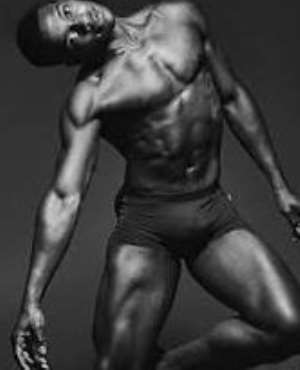
The integration of ballet, spoken word poetry, and music in Ghana represents one of the most dynamic artistic movements in West Africa. Ghanaian choreographers and directors transformed the art form, extracting its posture, spatial awareness, and aerial fluidity to blend them with indigenous and other forms of music, as well as spoken word poetry. The resulting performance style is frequently referred to as modern Ghanaian dance drama or the choreo poem.
The origins of this performance art lie in the post independence vision of Ghana's first president, Dr Kwame Nkrumah, who sought to showcase traditional performing arts on global stages while constructing a unified national identity. In 1962, scholar J. H. Kwabena Nketia and artist Mawere Opoku established the Ghana Dance Ensemble at the University of Ghana. Opoku, who possessed formal training in dance notation and staging techniques, introduced classical ballet principles regarding stage alignment, precise linework, and movement geometry. He applied these structural concepts to traditional dances. In early pieces such as Lamentations for Freedom Fighters, traditional funeral vocal chants were framed by structured, balletic choreography, and this distinct form was born. Ballet was used in tandem with poetry to tell stories and deliver critique.
This multidisciplinary tradition matured through the late twentieth century under the direction of figures like Francis Nii Yartey at the National Theatre of Ghana. Yartey expanded the vocabulary of Ghanaian performance by actively combining contemporary ballet techniques, including leg extensions, floorwork, and leaps, with traditional African torso isolations and grounded footwork. In these full length dance dramas, spoken word poets recited verse alongside master drummers and flute players, using the extended lines of balletic dancers to visually amplify the emotional subtext of the poetry. Simultaneously, literary figures such as Kobena Eyi Acquah brought productions like Music for a Dream Dance to life, demonstrating that Ghanaian poetry was designed to be embodied through music and movement rather than merely read in solitude.
On the contemporary stage, the interaction between the ballet dancer, the poet, and the musician operates through continuous call and response dynamics. The poet or musician sets the pace alongside the master drummer's tempo, while the dancers execute lifts and leaps to emphasize dramatic shifts or punchlines in the verse. Adinkra symbols and cultural gestures are elongated into balletic arm movements. Today, this performance tradition thrives at the University of Ghana, the National Theatre in Accra, and among contemporary performance collectives, preserving indigenous oral heritage while constantly pushing the boundaries of modern African dance.


 October 29: Cedi sells at GHS12.25 on forex market, GHS11.63 on BoG interbank
 Ghana’s mineral wealth must not come at environmental cost – Zanetor
 NPP's SC suit to counter pending suits backing Mahama’s third-term eligibility –...
 No constitutional dispute has arisen to warrant NPP’s suit on presidential term ...
 'NPP has become group of flip-floppers' – Edem Agbana on South Africa evacuation...
 Kufuor explains why his government opted for HIPC despite concerns over Ghana’s ...
 Policewoman who attempted 120-hour painting marathon dies after short illness
 I entered politics in my 20s but became president at 62 – Kufuor
 Accra-Tema Motorway project reaches 53% completion despite delays
 Prisons Service to publish findings on alleged plot to poison Chairman Wontumi


