




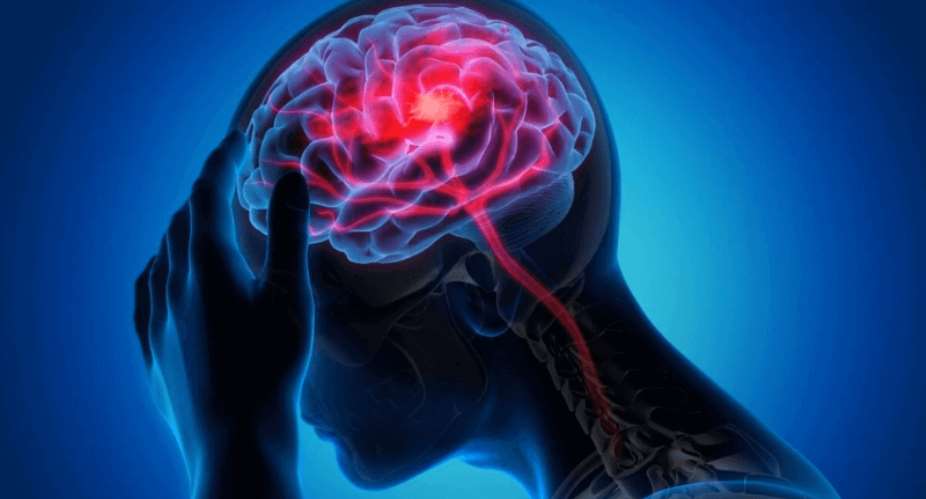
As the field of medicine progresses, novel treatments are opening up new avenues of hope for those suffering from neurological disorders. From multiple sclerosis to Parkinson's disease, epilepsy to Alzheimer's, the range of therapeutic choices is growing, giving patients hope again. Complex issues are presented by neurological diseases, which frequently have a major negative impact on people's everyday lives and cause great distress. But as cutting-edge technology and medical research have come together, a surge of novel therapies has emerged that is completely changing the way that people receive care.
The rapidly developing field of neurostimulation is one such development. Deep brain stimulation (DBS) devices have demonstrated exceptional effectiveness in the treatment of Parkinson's disease symptoms and essential tremors. These implants provide patients with much-needed respite by precisely controlling abnormal brain activity, greatly improving their quality of life. Furthermore, customized treatments are now possible because to the development of personalized medicine. Utilizing genetic profiling and biomarker analysis, precision medicine approaches personalize treatments to match each patient's distinct biological profile. This method represents a fundamental change in the treatment of neurological disorders since it maximizes the effectiveness of therapy while minimizing its side effects.
In addition, new medication therapies have been made possible by the outstanding advancements in pharmaceutical research. Clinical trials for novel drugs aimed at slowing the course of illnesses such as Alzheimer's or multiple sclerosis are showing encouraging results, giving patients and caregivers new hope. In addition, the incorporation of telemedicine has made specialized treatment more accessible to everybody. Patients, especially those living in distant places, can now obtain professional advice and support from a distance thanks to remote consultations and tele-rehabilitation programs, which have removed geographical boundaries.
Working together, researchers, medical experts, and tech developers is still essential to driving these developments. Multidisciplinary cooperation creates a synergistic environment that is conducive to creativity and accelerates the field's advancement. But even with these encouraging advancements, it's critical to keep a realistic perspective. Though such treatments have great promise, thorough investigation, stringent testing, and continuous observation are necessary to guarantee their security and long-term effectiveness.
As a physician committed to my patients' health, seeing these developments inspires great hope. Our dedication to continuously investigating and embracing these cutting-edge therapies is fueled by the possibility of providing not only symptomatic relief but also real disease-modifying treatments. In conclusion, there is a significant change taking place in the field of neurological treatment. Novel treatments represent a ray of hope, providing promising paths toward the management and even reversal of the course of a number of neurological disorders. These developments point to a better future for patients and their families as they proceed.


 YEA deploys over 11,700 youth under Community Police Assistant Model – Basintale
 Parliament’s Human Rights Committee demands swift investigations in Obuasi SHTS ...
 'Let the law take its course' – Veep on Obuasi SHTS sexual abuse allegations
 Obuasi SHTS sex scandal: 'The powerful ride the law to trample the weak' – Kofi ...
 19-year-old remanded over alleged fatal stabbing of boyfriend at Ofankor
 Woes of SHTS Headmaster deepen as he resigns as old students’ chairman
 'NPP has 35 NDC scandals to drop from now till 2028 elections' — Sammi Awuku
 'NDC will pay for Obuasi SHTS sex scandal' – Sammi Awuku warns
 Use of hormonal contraceptives linked to increased breast cancer risks – Doctor ...
 ECOWAS deepens EU cooperation to improve disaster response in West Africa


