




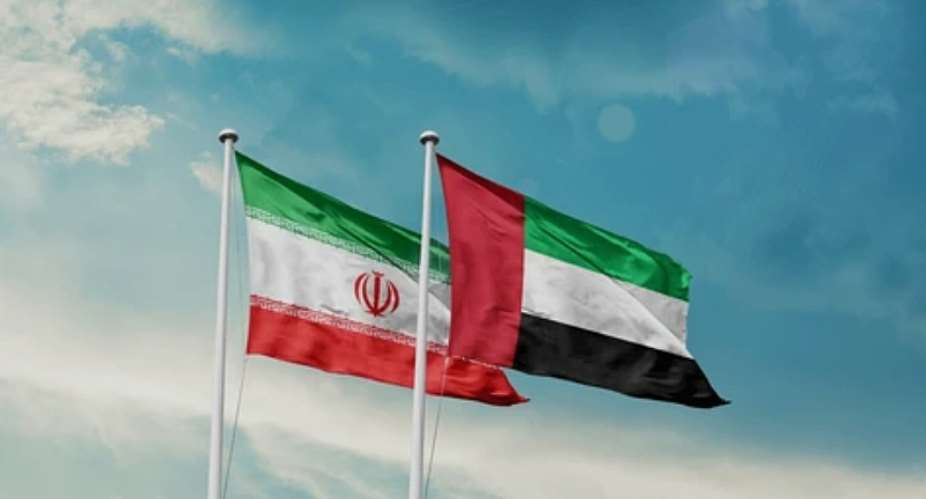
The escalating Iran–Middle East tensions are no longer a distant regional concern. They have become a defining test of the international system itself its diplomacy, its economic resilience, and its capacity to prevent localized conflict from spiraling into global instability.
At the heart of the crisis lies a dangerous mix of strategic rivalry, proxy warfare, nuclear suspicion, and long-standing political mistrust. Iran’s regional posture, Israel’s security doctrine, and the involvement of global powers have created a fragile triangle where any misstep risks widening an already volatile situation.
What makes this moment particularly alarming is not just the existence of conflict, but its interconnectedness with global life. Energy markets react within hours. Shipping routes tremble under threat. Inflation rises far beyond the Middle East. And ordinary families across continents feel the consequences in fuel prices, food costs, and economic uncertainty.
The world must ask uncomfortable but necessary questions:
Who truly benefits from perpetual confrontation? Can diplomacy survive when trust has collapsed? And how many more crises must unfold before global institutions regain meaningful authority?
The humanitarian cost also cannot be ignored. Civilians remain the most vulnerable actors in this geopolitical struggle displaced, endangered, and often forgotten in high-level strategic calculations. Each escalation deepens suffering that rarely features in official statements.
There is also a broader warning here. As conflicts become more entangled with global supply chains, cyber capabilities, and alliance networks, the distinction between “regional” and “global” war is fading. The Middle East is not isolated; it is structurally linked to the world economy and international security architecture.
This is why restraint is no longer optional it is essential. The alternative is a cascading instability that no single nation can fully control.
The international community, particularly global powers and regional actors, must shift from reactive crisis management to sustained diplomatic engagement. Without that shift, the current trajectory risks locking the world into a cycle of recurring confrontation with consequences that extend far beyond the Middle East.
History will judge this moment not by the intensity of the conflict, but by whether leaders chose escalation or responsibility.
By:
Patrick Belebang Yagsori
+233240292413
[email protected]

 NDC not worried about NPP’s Kojo Bamba, he is small boy – Azorka
 Obuasi SHTS: 'Children are not buffet' – NPP’s Fatimatu confronts Zuba
 'I didn’t know I was supposed to chop and not work' – Blakofe on her time at GTD...
 Resource exploitation fuelling Africa’s conflicts – Mahama
 Our ports' growth always depended on collaboration across maritime, logistics va...
 Stranded Ghanaian fishermen narrate how they ate fresh fish, drunk sea water to ...
 How notorious armed robber died on the way whiles leading police to arrest accom...
 'We must continuously improve cargo handling, coordination among port operators'...
 Nii Lante Vanderpuye confident of winning NDC national chairmanship despite Gold...
 Agalga dismisses critics, assures Builsa North of progress on Sandema–Wiaga Road


