




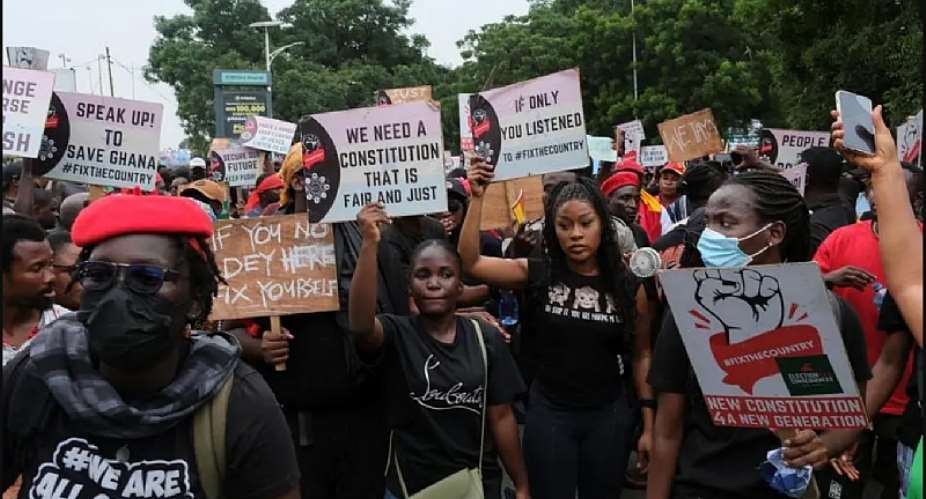
Ghana is a youthful nation, yet its youth are routinely described as lazy, entitled, or unserious. This narrative is not only unfair; it is dangerous. It shifts responsibility away from weak institutions and broken systems and places the blame on young people who are simply trying to survive in an economy that offers them very limited space to grow.
Across the country, graduates walk the streets with certificates but no opportunities. Skilled artisans struggle to access capital. Talented creatives rely almost entirely on social media for visibility because formal industries rarely recognise their work. These are not signs of laziness. They are clear symptoms of a system that cannot absorb its own human capital.
Ghana’s education system continues to prioritise theory over practical skill. Students are trained to pass examinations rather than solve real-world problems. When they graduate and fail to “fit” neatly into the job market, society responds with shame and ridicule. Yet the same society did not equip them with relevant, employable skills in the first place.
Youth unemployment is not just an economic problem; it is a social one. Prolonged idleness breeds frustration. Frustration erodes hope. Crime increases, mental health deteriorates, and trust in leadership weakens. A nation that consistently neglects its youth is quietly investing in long-term instability.
This is not to suggest that young people bear no responsibility. Discipline, innovation, and self-development matter. But effort without opportunity leads nowhere. Hard work alone cannot fix broken structures. What Ghana needs are deliberate policies that prioritise youth employment, skills-based training, entrepreneurship funding, and education that is directly linked to industry needs.
Government programmes must move beyond slogans and launch ceremonies. What the youth need are measurable outcomes, not repeated announcements. The private sector must also play its role by investing in young talent instead of recycling the same narrow workforce. Society, too, must abandon outdated definitions of success that no longer reflect today’s economic realities.
Ghana’s youth are not asking for handouts. They are asking for access: access to training, access to capital, and access to opportunity. When given the right tools, young Ghanaians have consistently proven that they can compete and excel on the global stage.
Perhaps the strongest evidence of this failure lies beyond Ghana’s borders. Across Europe and other parts of the world, Ghanaian graduates and even master’s degree holders are working as cleaners, warehouse hands, carers, and delivery workers. There is dignity in honest labour, and no job is beneath any human being. However, when highly educated citizens are forced to leave their country to perform work completely unrelated to their training, it exposes a deeper national failure.
Ghana is exporting its educated youth not because they lack value, but because they are underutilised at home. Other countries benefit from their discipline, resilience, and education, while Ghana bears the cost of training them only to lose their most productive years. A nation that invests in education but cannot retain or absorb its graduates is not empowering its youth it is abandoning them.
If this trend continues, Ghana will not collapse overnight. It will decline slowly, losing its brightest minds to migration, frustration, and silence. But if the nation chooses to invest wisely in its youth, it will discover that its greatest resource has never been lazy only ignored.
 Ridge Hospital seeks relatives of unidentified woman injured in accident
 Kasoa: Firefighters pelted with stones over faulty fire tenders, 15 shops destro...
 Obuasi SHTS headmaster arrested over sexual misconduct allegations – Muntaka
 GoldBod says 76% of gold exported since August refined locally
 15 errors out of 1,964 names of South Africa evacuees due to pressure, we deserv...
 'No disturbances again' — Asiedu Nketiah urges calm over late Ahafo Ano South-We...
 Govt to distribute first batch of 129 vehicles to MMDCEs in 12 regions
 UG Vice-Chancellor calls for oral exams, project-based assessment to deal with A...
 'I will use everything I have to clear my name' – Obuasi SHTS headmaster fights ...
 'It's a curse on you' – Water Minister badmouths 'malware' workers sabotaging Gh...


