




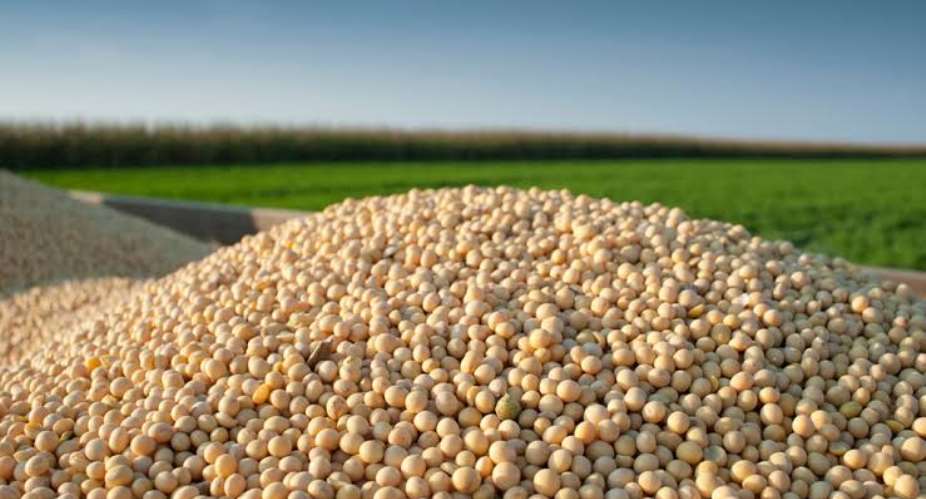
Ghana exports raw soybeans and imports soybean meal to feed its poultry and livestock. That trade pattern captures a question too often missing from agricultural policy: what happens to the crop after harvest? The Food and Agriculture Organization (FAO) reports that more than 200,000 Ghanaian smallholders produce about 304,000 tonnes of soybeans, roughly 40 percent of which is exported. At the same time, seasonal shortages and price swings make it harder for local processors to secure a steady supply.
A soybean harvest can support several industries. A crushing plant produces crude oil for edible-oil refiners and protein-rich meal for poultry, livestock and fish feed. Food manufacturers can also turn soybeans into flour, soy milk and other products. The economics of crushing depend on finding buyers for both the oil and the meal. A strong feed market can help sustain a plant, but the business still needs a dependable outlet for its oil.
For Ghana, the practical starting point is to connect soybean growers in the north with crushers, feed mills and oil refiners. Cooperatives and aggregators can pool harvests and store beans for delivery throughout the year. Purchase agreements can give farmers clearer terms before planting and help processors plan their supplies. Working capital matters because processors need to buy beans at harvest and hold enough stock to keep their plants running between seasons. Local buyers also have to offer farmers prices and payment terms that can compete with export markets.
Argentina shows what a strong processing industry can achieve. It has become a leading exporter of soybean meal by building the capacity to crush beans at scale and sell the resulting products internationally. African countries can adapt that lesson through regional trade. The African Continental Free Trade Area offers a way for a processor in one country to source beans from farmers or sell meal and oil to manufacturers in another. A larger market can help plants secure supplies and find buyers beyond their borders.
Tonnes harvested will always matter. Governments and investors should also track how much of the crop is processed locally, how steadily factories operate and whether farmers earn more from reliable sales. Those measures would show whether a bigger harvest is creating rural incomes, manufacturing jobs and competitive African businesses.


 Education Ministry to introduce criteria for early BECE registration by gifted p...
 Health capital expenditure jumps from GH¢700m to over GH¢9bn in 2027 budget – Mi...
 GRA locks 48 mobile phone shops at Circle over mass tax breaches
 Veteran Nollywood Actor Pete Edochie dies at 79
 Lydia Forson explains why she rejected interview request from Delay
 COKA backs Zanetor’s call for national register of convicted rapists
 Mahama will fulfil all infrastructure promises – Deputy Finance Minister assures
 Akufo-Addo’s NPP govt borrowed heavily to run the economy – Deputy Finance Minis...
 New York jury convicts Huawei of stealing trade secrets


