




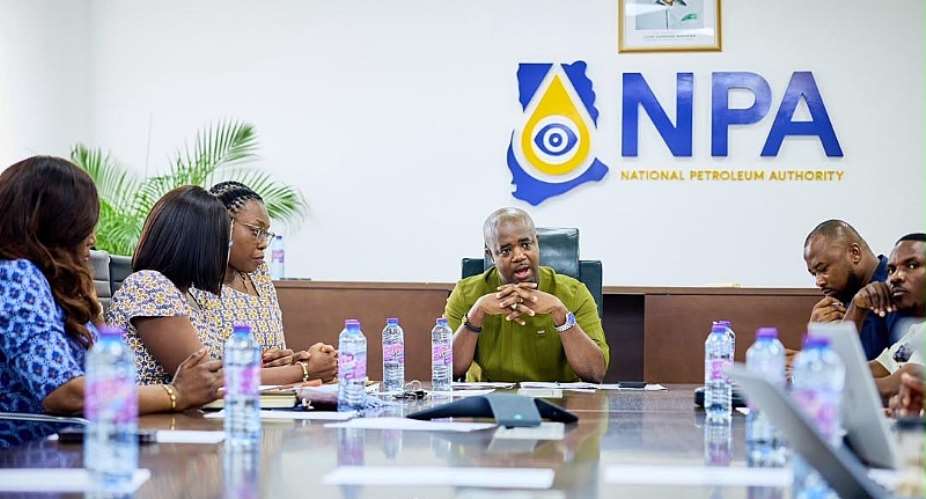
The Botswana Energy Regulatory Authority (BERA) and the Eswatini Energy Regulatory Authority (ESERA) are in the country to understudy the efficient manner in which the National Petroleum Authority (NPA) is regulating the downstream petroleum sector.
The benchmarking visit also seeks to facilitate regulatory knowledge-sharing, strengthen institutional cooperation and exchange best practices in petroleum and energy sector governance.
It provides a platform for the participating institutions to examine regulatory frameworks, share operational experiences and explore approaches to improving efficiency, compliance monitoring and oversight across their respective energy sectors.
Welcoming the delegations at separate meetings on Monday, the Chief Executive of the NPA, Mr. Godwin Kudzo Tameklo, Esq., underscored the importance of sustained engagement among energy regulatory institutions, noting that the exchange of valuable information and practical experiences was essential to strengthening regulatory frameworks and improving institutional effectiveness.
He highlighted the cordial relations between the participating countries and the importance of translating these relations into meaningful institutional partnerships, particularly in addressing common challenges within the energy sector.
As part of the first day’s programme, the NPA delivered a series of technical presentations highlighting its regulatory mandate, institutional responsibilities and oversight of Ghana’s downstream petroleum industry.
The presentations formed part of the Authority’s broader engagement to demonstrate its regulatory processes and share practical institutional experiences with its counterparts from Southern Africa.
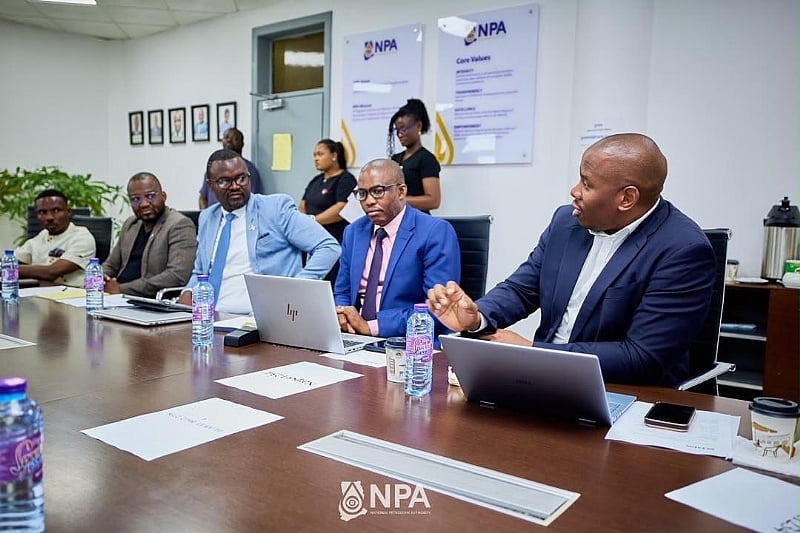
Established under the Botswana Energy Regulatory Authority Act, 2016, BERA regulates various segments of Botswana’s energy industry, including electricity, petroleum products, natural gas, coal, solar and other renewable energy resources.
Representing BERA are Batsumi Rankokwane, Director of Economic Regulation; Nelson Sebalo, Legal Advisor; and Gift Bakumbi, Director of Petroleum and Gas.
On its part, ESERA was established under the Energy Regulatory Act of 2007 and is responsible for regulating the electricity supply industry, alongside administering the Petroleum Act, 2020, which provides for the licensing and inspection of downstream petroleum activities.
The ESERA delegation includes Thokozani Mvubu, Engineering Manager for Petroleum Regulation, and Sanele Thwala, Quality Assurance and Risk Specialist. The benchmarking visit reinforces the importance of regional cooperation among energy regulators in addressing shared industry challenges, strengthening institutional capacity and advancing effective regulatory practices.
Source: NPA

 Tension at Suame Magazine as Ghanaian artisans clash with hired thugs during clo...
 Nvidia board reinstates Huang as CEO, Trump hails 'correct' decision
 Zelensky calls for EU inclusion in talks with Russia 'as soon as possible'
 Rent Control Commissioner has full backing of government – Presidential Staffer
 Bawumia congratulates Black Challenge on historic World Cup triumph
 Amin Adam seeking political capital with borrowing claims – Appiah Dankwah
 Jaman South MCE defends DRIP equipment, alleges NPP MP declined fuel support
 Govt prepares to relaunch GIFMIS, seeks auditors' input on system redesign
 Mahama orders massive cleanup, beautification of Accra ahead of Ghana's 70th ind...
 Housing Minister backs Rent Control effort to curb high charges following UG hos...


