




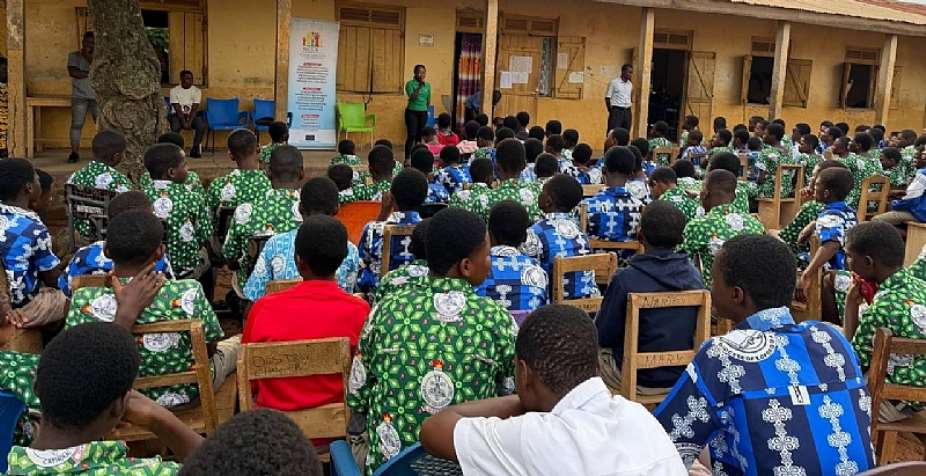
The National Commission for Civic Education (NCCE) has called on Ghanaians to recognise responsible animal ownership, environmental sanitation and food safety as essential aspects of good citizenship, stressing that civic responsibility extends beyond knowledge of the Constitution and participation in elections.
Ms Ophelia Nana Yaa Ankrah, the NCCE Eastern Regional Director, said civic education should not be limited to understanding the Constitution, governance structures and national symbols but must also reflect in everyday actions that protect families, strengthen communities and safeguard the country's future.
“In that broader sense, responsible animal ownership, environmental sanitation, food safety, and compliance with public health laws are not peripheral concerns. They are fundamental acts of responsible citizenship,” she said.
She explained that allowing dogs to roam and attack people, dumping refuse into gutters, preparing food in unhygienic conditions and disregarding public health regulations could undermine national development just as much as voter apathy and disrespect for the law.
Ms Ankrah made the remarks during an educational exercise jointly organised by the NCCE Eastern Regional Office and the Veterinary Office to promote responsible animal ownership, public health, environmental sanitation and responsible citizenship among students in selected communities in the region.
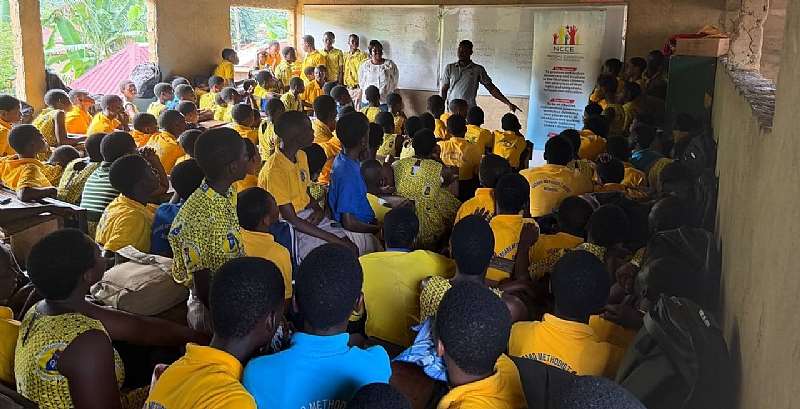
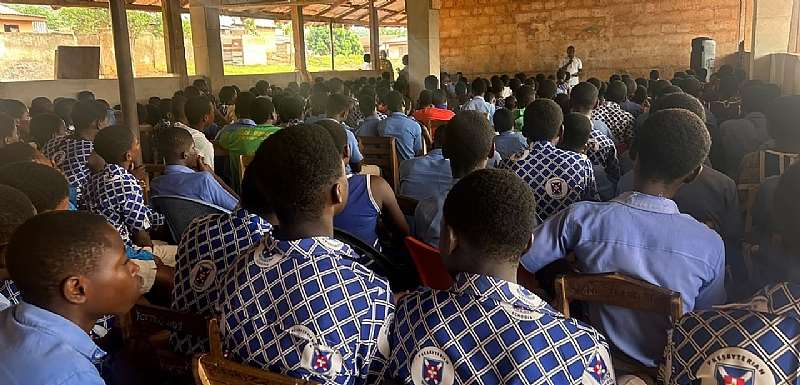
The exercise was held on Wednesday, October 21, 2026, with Veterinary Officers Thomas Siatey, Andrews Dawn and Dennis Duodu joining the NCCE team to engage students of Aboabo Methodist JHS, Wawase R/C JHS, Nkurakan R/C JHS and Nkurakan Presby JHS.
The initiative sought to equip the students with practical knowledge on preventing rabies, a disease that is almost always fatal once symptoms develop but can largely be prevented through timely vaccination and responsible animal management.
Ms Ankrah said the programme formed part of the Commission's broader strategy to introduce young people to civic responsibilities early and raise a generation that understands that citizenship comes with obligations.
She noted that knowledge of Article 41 of the 1992 Constitution, which outlines the duties of citizens, would have little value if it did not translate into practical actions such as maintaining clean surroundings, protecting neighbours from preventable diseases and obeying public health regulations.
“Citizenship is lived, not merely recited,” an NCCE official explained. “When you vaccinate your dog, confine your livestock, dispose of waste properly, and sell food under hygienic conditions, you are practicing the Constitution in your own compound,” she stressed.
The Regional Director said the message was particularly important in communities where stray animals, choked drains, open defecation, indiscriminate refuse disposal and unhygienic food vending continue to create conditions for the spread of diseases such as cholera, typhoid, malaria and rabies.
She explained that responsible animal ownership involved more than feeding pets or keeping livestock for commercial purposes. It required vaccinating dogs and cats against rabies, preventing animals from roaming freely and reporting unusual animal behaviour promptly to veterinary and health officials.
Ms Ankrah expressed concern that stray dogs and free-roaming livestock continued to cause problems in some communities, resulting in crop destruction, road accidents and attacks on children and other residents.
She said such challenges should not be left solely to local assemblies and veterinary officers, describing them as matters that also demanded individual and collective civic responsibility.
“Owning an animal is owning a responsibility. Your right to keep an animal ends where your neighbour’s safety begins,” she stated.
On environmental sanitation, she urged citizens to make cleanliness a daily responsibility rather than an activity reserved for periodic community clean-up exercises.
She said proper disposal of household and plastic waste, regular desilting of drains, maintaining clean markets, lorry stations and school compounds, and ending open defecation were all expressions of patriotism.
Ms Ankrah warned that poor sanitation affected entire communities, explaining that a choked gutter could create breeding grounds for mosquitoes, while indiscriminate refuse disposal could contaminate water sources and expose households to disease.
She said the consequences included increased hospital bills, lost working hours, school absenteeism and additional pressure on the country's healthcare system.
She also emphasised the importance of food safety, urging food vendors, market women, butchers, chop bar operators and households to use clean water, maintain proper hygiene, store food safely and comply with environmental health regulations.
“Food that is prepared carelessly can poison a whole community,” the official noted. “Complying with public health laws is not harassment. It is protection.”
She called on Ghanaians to regard compliance with public health and sanitation bylaws not as an imposition by local authorities but as a demonstration of commitment to the country's wellbeing.
According to her, responsible practices in homes, compounds, markets and public spaces were essential to building the disciplined, healthy and productive citizenry envisaged by the Constitution.
Contributing to the engagement, Mr Dawn said widespread vaccination of domestic animals could help prevent rabies transmission, urging pet owners to ensure their dogs and cats received the necessary vaccinations.
“We cannot be in every home. But if every parent vaccinates their dog and cat, we can break the chain of transmission. One vaccinated dog protects an entire neighbourhood,” he stated.
Mr Duodu also cautioned against allowing dogs to roam freely, describing the practice as a danger to the public, particularly children. He encouraged pet owners to keep their animals within their compounds and take them for regular veterinary checks.
The veterinary officers further advised students to maintain a safe distance from unfamiliar animals, avoid teasing or provoking dogs and cats, and never approach stray animals.
They also highlighted the links between animal health, food safety and environmental hygiene, urging the students to wash their hands with soap after handling animals, avoid eating food exposed to animals, keep animal shelters clean and dispose of animal waste properly.
The students were also advised to protect drinking water and food storage areas from contamination.
The veterinary officers said engaging junior high school students was a deliberate strategy because children could serve as effective channels for spreading information within their households and communities. They noted that lessons learnt at school could be shared with parents, siblings and neighbours, helping to promote responsible practices beyond the classroom.

 Give us 10% of ‘ghost names’ monies to expand farms, build hostels — National Se...
 If your husband enters my DM, I will follow him – Woman warns
 Education Minister defends early BECE ban, says 'someone cooks the continuous as...
 Ghana seeks investors for gold refining, jewellery manufacturing from 2027 – Sam...
 Here are key management positions open for recruitment at Women's Development Ba...
 See the new monthly transaction limits for MTN MoMo customers
 Supreme Court rejects Asamoah's bid to testify after other witnesses in SkyTrain...
 Kessben's family bans bloggers, content creators from funeral coverage
 'We are quite impressed with how Dr. Ato Forson is doing well with Ghana's econo...
 Witness details how GH¢30.7m NSA hire-purchase funds were diverted to Gifty Owar...


