




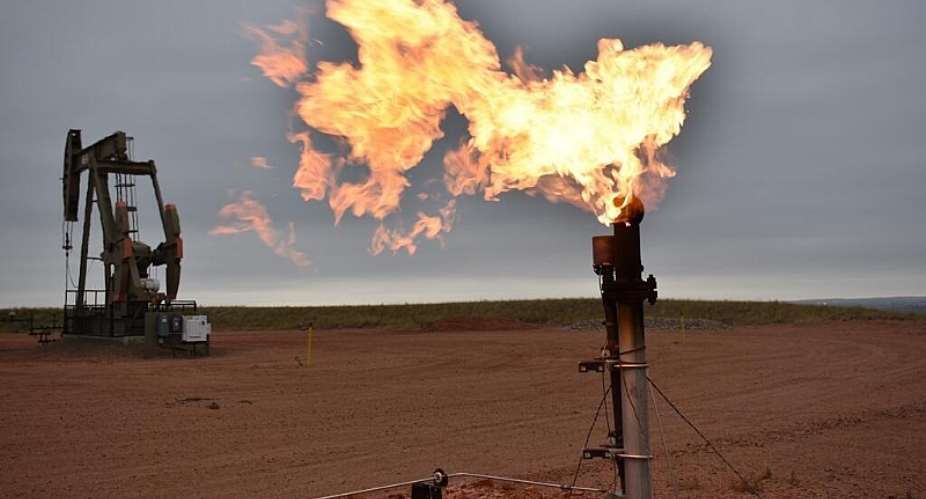
The European Union reached a compromise early on Thursday to delay new methane reporting requirements until 2029, following lengthy negotiations between member states and the European Parliament.
The agreement comes as European governments grapple with growing uncertainty over energy supplies, fuelled by the war in the Middle East and disruptions to international oil and gas markets.
The legislation is designed to curb emissions of methane – a powerful greenhouse gas and the second-largest contributor to global warming after carbon dioxide.
Released mainly by livestock farming, landfill sites and fossil fuel production, methane has become a key target of international climate policy.
Under the deal, monitoring, reporting and verification requirements for companies importing gas, oil and coal into the EU will be pushed back from January 2027 to January 2029.
France urges faster methane cuts as emissions remain at record high
The European Commission and member states had supported a one-year postponement, while the European Parliament had called for a three-year delay. After overnight negotiations in Brussels, the two sides settled on two years.
"We have struck a pragmatic balance by addressing the tensions in the energy market whilst maintaining the EU's leading role in reducing methane emissions," said Irish Environment Minister Darragh O'Brien, whose country currently holds the rotating EU presidency.
The agreement still requires formal approval from the European Parliament and all 27 EU member states, although this is expected to be only a formality.
Environmental groups sound alarm
The decision has drawn criticism from environmental organisations, which have warned that pressure from major fossil fuel producers, including the United States, could weaken the EU's methane legislation.
The Environmental Defence Fund Europe described the postponement as unnecessary, although it welcomed the preservation of the law's central provisions.
"These two years must be devoted to implementing the legislation, not to seeking a further delay," said the organisation's Léa Pilsner. "Despite this delay, the substance of the legislation has been preserved in the final agreement."
The Clean Air Task Force also expressed concern over the consequences for the EU's climate commitments.
"Even if the worst-case scenario seems to have been avoided, these delays undermine the credibility of European legislation and deal a severe blow to hopes of a rapid reduction in methane emissions," said it's Europe policy manager Pablo Lopez Legarreta.
Cop31 negotiators unveil draft deal as fossil fuel divisions persist
The EU's methane regulation, adopted in 2024, requires energy operators to monitor emissions, carry out regular inspections, identify leaks and repair faulty equipment. For fossil fuel imports, companies must provide information about methane emissions associated with the production of fuels entering the European market.
Under Thursday's agreement, methane-intensity reporting requirements for importers and EU producers will also be postponed by two years, until August 2030.
Thursday's agreement comes as delegates gather in Antalya, Turkey, for the Cop31 UN climate summit, where methane reductions are among the EU's stated priorities.
(with AFP)


 BoG warns public against 19 unlicensed digital loan applications
 National Best Farmer to receive GH¢1.2m, pickup truck and sponsored European tri...
 You promised Nkoko Nkitinkiti and within two years you have not deliver even 2% ...
 UG management regrets confrontation during Rent Control inspection of UGEL hoste...
 GTA shuts down more than 40 hospitality facilities in Ashanti Region over licens...
 Floyd Mayweather pays courtesy visit to President Mahama
 'Produce evidence of job sales under NDC' – NDC Deputy National Youth Assistant ...
 Asante Akyem North seat should be declared vacant over MP’s prolonged absence – ...
 International Men’s Day: 'Seven in 10 Ghanaian men experience violence in their ...
 Government lifts curfew on 11 communities in Nkwanta South


