




Ghana has a bad habit. We wait for our heroes to die, then organise grand funerals, trend their pictures, write long tributes, and promise to “keep the legacy alive.” Two weeks later, the legacy is forgotten, and the next family is crowdfunding for the next hospital bill.
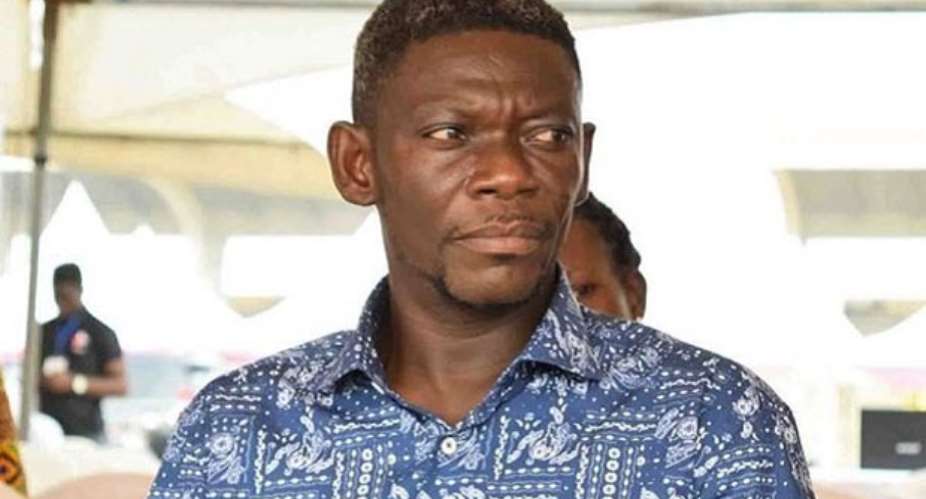
This week, Kumawood veteran Agya Koo (Alexander Kofi Adu) has dared to say aloud what many of us only whisper: this cycle must stop.
He is dominating the headlines, and for once, the conversation is about something that truly matters.
A Museum for Those Who Built Our Stories
Speaking to Graphic Showbiz on Tuesday, November 3, Agya Koo called on the government to establish a national museum dedicated to Ghana’s creative arts personalities so that the contributions of actors, musicians, and other pioneers can be preserved for future generations.
He directed the appeal to the Office of the President and the Ministry of Tourism, Culture and Creative Arts.
His argument was simple and painful: Ghana continues to lose entertainment legends without properly documenting their contributions. Meanwhile, other countries preserve the memorabilia of their screen icons and attract visitors who come to learn from and celebrate those legacies.
He is right.
Think about what we have already lost: concert party stages, early film reels, costumes, handwritten scripts, highlife records, and the faces and voices that taught generations of Ghanaians how to laugh, reflect, and imagine.
Much of that history exists in private collections, fading memories, or fragile recordings that nobody is paid to preserve. A country that fails to archive its culture slowly writes itself out of its own history.
The proposal is not new, which should concern all of us.
Highlife legend Agya Koo Nimo made a similar appeal to the Tourism Minister in 2025 when government officials visited him in Kumasi following President Mahama’s call to celebrate living legends. Speeches were made. Promises were given.
Yet the museum remains an idea rather than a reality.
When two icons from different generations and artistic disciplines make the same appeal years apart, it is no longer a request. It becomes a pattern and a reflection of national priorities.
Beyond Bricks: The Welfare Question
Agya Koo’s concerns extend beyond preserving history.
He also called for a welfare arrangement to protect performers from hardship in old age.
According to the Google summary attached to this discussion, citing 3News, he proposed that producers set aside 20% of actors’ earnings into a welfare fund for ageing and ill performers.
The percentage will undoubtedly generate debate, and the implementation details matter.
How would contributions be collected?
Who would manage the fund?
Who would audit it?
Ghana has witnessed too many funds that existed more on paper than in practice.
Still, the underlying principle is difficult to dismiss.
A museum celebrates those who have passed on. A welfare fund protects those who are still with us.
The country needs both.
Honouring a legend with a plaque after burial while that same person struggled to afford healthcare in life is not honour. It is performance.
The Shoemaker Who Became a Star
One of the most talked-about parts of Agya Koo’s interview was his personal story before fame.
He recalled running a shoemaking business in Accra and polishing shoes for Members of Parliament at Sakumono Estates because he refused to turn to crime. He specifically mentioned the late Hawa Yakubu among his clients and credited his appearance and professionalism for helping him attract influential customers.
Some people have laughed at the story.
I believe it is the most important part of the entire conversation.
At a time when many young people insist there are no opportunities and some are tempted toward fraud or other illegal activities, Agya Koo’s story offers a powerful alternative.
The lesson is not that everyone should polish shoes.
The lesson is that there is dignity in honest work while pursuing a bigger dream.
The shoe polisher of yesterday became the household name of today.
His story is also a reminder to politicians and public officials that every artist, trader, and artisan they encounter has a story, potential, and ambition of their own.
Legends Awards and Living Flowers
Videos circulating on social media reportedly show Agya Koo at the Ghana Legends Awards, dressed in traditional attire, entertaining audiences with his trademark dance moves and receiving applause from fans and colleagues.
I have not independently confirmed the details of the event beyond social media posts and summaries, so readers should approach those specifics with caution.
Nevertheless, the image aligns with the broader message he is promoting.
Recognition should be visible, joyful, and given while the recipient is still alive to appreciate it.
Not Just a Comedian: A Mentor
In the same interview, Agya Koo encouraged experienced industry professionals to mentor emerging filmmakers and help improve production standards as Kumawood continues its transition to digital platforms such as YouTube.
That message deserves attention.
The golden era of Kumawood demonstrated that Ghanaians will enthusiastically support stories that reflect their language, culture, and experiences.
The challenge today is maintaining quality and relevance in a rapidly changing media environment.
Quality is not preserved through gatekeeping.
It is preserved through teaching, mentorship, and knowledge transfer.
What Must Happen Next
We can admire this message and move on, as we often do.
Or we can act.
Government should commission a feasibility study for a National Creative Arts Museum, complete with a timeline, location, and dedicated budget rather than another ceremonial promise.The Ministry of Tourism, Culture and Creative Arts should work with the National Folklore Board, universities, and industry guilds to digitise archives immediately. While a museum may take years to build, many recordings and historical materials are deteriorating today.
Industry associations and producers should develop a transparent welfare scheme with independent oversight so that support for ageing artists becomes a structured right rather than an occasional charity appeal.
Fans and the media must also play a role by celebrating creative legends while they are still alive instead of reserving their strongest tributes for memorial services.
A Final Word
Agya Koo has been a controversial figure at times, and he certainly has critics.
That is beside the point.
The focus should be on the message, not the messenger.
A nation that remembers its storytellers is a nation that understands itself.
Let us build the museum.
Let us protect the welfare of creative professionals.
And let us give people their flowers while they can still receive them.
Because once the curtain falls, appreciation alone is no substitute for action.


 Soya bean price drops from GH¢800 to GH¢350 after export ban – Dr. Otokunor
 Mahama's New Economy policy is a scam – Kojo Oppong Nkrumah
 Stop boiling polluted galamsey water for drinking, it's not safe – EPA cautions ...
 Assembly, Zoomlion trade blame over waste collection delays amid Ada sanitation ...
 Obuasi SHS sexual abuse probe 85% complete, evidence points to possible prosecut...
 Ghana's economic activity expands by 6.8% in August 2026, services lead growth
 Parliament rescinds decision on third reading of anti-gay bill
 Ghana eyes US$10.5 trillion non-interest market as three banks apply for licence...
 Nearly 80% of Ghanaians living with diabetes unaware of their condition – Associ...
 Mahama breaks grounds for two major projects at Takoradi Port


