




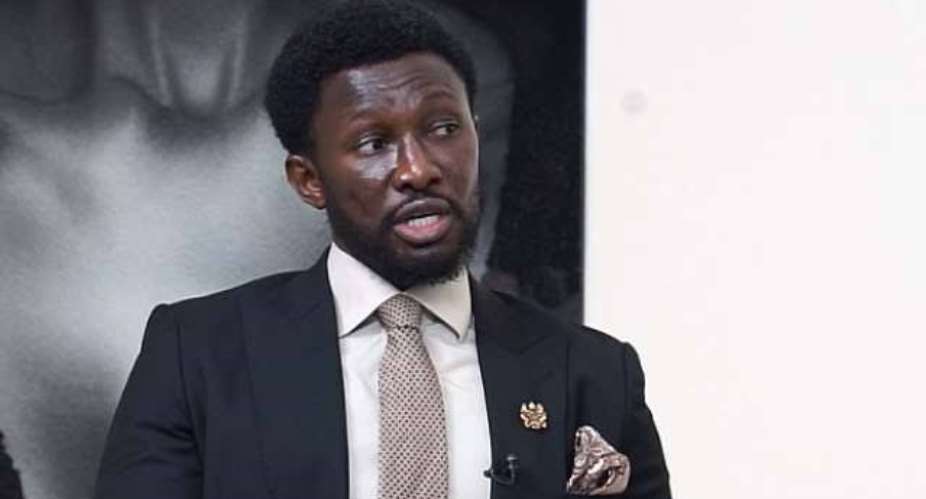
Few Ghanaian public figures have built a following as rapidly as Nana Kwame Bediako, popularly known as Cheddar. He transitioned from businessman to the New Force’s 2024 presidential candidate, becoming a household name among young Ghanaians.
That is why the latest development in his legal battle is more than business gossip. It is a test of how society holds powerful individuals accountable and how those individuals respond when their credibility is challenged.
What Is on the Record
Here are the facts as reported by Ghanaian and international media outlets.
On January 23, 2025, the High Court of England and Wales entered judgment against Bediako personally. The court ordered him to pay US$14,928,314.70, plus interest at 8 per cent per annum.
The claim is based on a Deed of Indemnity, which Cola Holdings Limited says obliges him to repay his share of a loan obtained from the International Finance Corporation (IFC).
According to reports by Graphic Online and GhanaWeb, Cola Holdings settled the debt, assumed the IFC’s rights and subsequently pursued Bediako for reimbursement.
The judgment was registered in Ghana on May 20, 2025.
His application to set aside that registration was dismissed by the Accra High Court on November 27, 2025.
In July 2026, the Commercial Division dismissed his attempt to halt enforcement pending appeal and awarded GH¢20,000 in costs against him, according to reports by MyJoyOnline and Modern Ghana.
The New Claim
This week, the case took a new turn.
According to a report by The Times published on November 8, 2026, and subsequently carried by Ghanaian outlets including 3News and GhanaWeb, Bediako has petitioned the High Court in London to overturn the judgment.
He now argues that the deed at the centre of the dispute is a forgery.
The document is dated January 18, 2018, and Bediako contends that he was in Nigeria at the time it was allegedly signed.
Cola Holdings, however, maintains that the deed is valid.
His earlier position, made public in January, carried a different emphasis.
At the time, he argued that the debt was a corporate obligation rather than a personal one and claimed that the UK lawyers he engaged “did not file any processes in defence.”
He also accused Cola Holdings of failing to disclose to the English court that proceedings had already been initiated in Ghana against the borrowing company.
That shift, from questioning liability to alleging that the signature itself is not authentic, is likely to become a key issue for the courts as the case progresses.
What We Do Not Know
At this stage, no court has determined that the deed was forged.
The forgery claim remains an allegation, just as the suggestion that it represents a late legal tactic remains an allegation.
Every court that has ruled on aspects of the matter so far, both in London and Accra, has ruled against Bediako on procedural and enforcement issues.
However, rulings on enforcement do not amount to findings on the validity of the newly raised forgery allegation.
That question has not yet been determined by the London court.
Anyone claiming the matter is already conclusively settled, in either direction, is going beyond the facts currently available.
My View
I will state plainly what I believe this case should teach us.
First, due process is neither a privilege for the famous nor a punishment for them.
If Bediako did not sign the deed, he is entitled to present evidence and seek justice through the courts.
If he did sign it, the courts will determine that as well.
The responsibility of the public is to wait for evidence rather than simply support the side they favour.
Second, public figures owe the public clear explanations.
A man who sought the highest office in the country has a heightened responsibility to explain, consistently and transparently, what he signed, when he signed it and why.
Changing explanations, even when made in good faith, can erode public trust.
Third, this case has broader implications for Ghana’s legal and business environment.
It demonstrates that foreign judgments can be registered and enforced in Ghana, subject to scrutiny by Ghanaian courts.
That should provide reassurance to international investors and lenders that contractual obligations can be recognised and enforced locally.
It should also remind Ghanaian business leaders that legal commitments signed in one jurisdiction can have consequences across borders.
What to Watch
Several developments will be worth monitoring in the coming months:
- Whether the London court agrees to hear the forgery claim.
- The evidence presented by both parties, including travel records and any expert signature analysis.
- Whether Cola Holdings issues a detailed public response.
- The progress of the appeal regarding the registration of the judgment in Ghana.
- The public discourse surrounding the case, particularly on social media, where legal disputes are often reduced to competing narratives rather than facts.
Ultimately, this matter will be decided through documentary evidence and judicial rulings, not online commentary.
The responsibility of the public is to follow the case carefully and demand the same standards of honesty, transparency and accountability from the rich and powerful that are expected of everyone else.


 The New Economy is a scam, a rebrand of failed 24-hour economy – Oppong Nkrumah
 Ghana announces discovery of new oil and gas deposits
 No prima facie case in petition against Justice Pwamang – Presidency
 Mother invokes generational curse on daughter during heated verbal exchange
 SA evacuation: OSP must not allow media pressure to dictate investigations – Bra...
 NPP closes portal for expression of intent in parliamentary primaries today
 Ghana targets 70% 5G coverage by March 2027 – Sam George
 Women’s Development Bank submits licence application to Bank of Ghana – Vice Pre...
 Ghana Must Reset — Not Just In Words, But In Deeds!
 SA evacuation: OSP must punish those who took hotel money while evacuees slept i...


