




New research point to a striking imbalance in global health research. Despite Africa accounting for approximately 17 per cent of the world's population and bearing roughly a quarter of the global disease burden, the continent hosted less than two per cent of registered clinical trials in 2020. But all that could change with enhanced regional collaboration and the African Medicines Agency which offer new opportunities to accelerate medical research, improve access to innovative treatments and address Africa’s longstanding exclusion.
Africa could be on the verge of a major transformation in global medical research as regional regulatory harmonisation initiatives begin to address longstanding barriers that have limited the continent’s participation in international clinical trials.
For decades, fragmented regulatory systems, lengthy approval processes and limited coordination among African countries have made it difficult for pharmaceutical companies and research institutions to conduct multinational clinical trials across the continent.
Yet a growing movement towards harmonised medicines regulation, supported by regional initiatives such as the African Healthcare Association and the establishment of the African Medicines Agency (AMA), is creating opportunities to change this landscape.
A commentary published in the Open Access Journal of Clinical Trials argues that regulatory harmonisation could reposition Africa as a significant contributor to global clinical research, while strengthening health systems and improving the relevance and equity of medical evidence.
The commentary, titled Africa’s Regulatory Revolution: How Harmonized Regulation Can Transform Global Clinical Trials, was authored by Henriette U Balinda, Alima Tchafa and Franck Tchafa of Feat Healthcare in the United States.
The authors point to a striking imbalance in global health research. Despite Africa accounting for approximately 17 per cent of the world's population and bearing roughly a quarter of the global disease burden, the continent hosted less than two per cent of registered clinical trials in 2020.
This underrepresentation means African populations have limited participation in research that informs the development of medicines, vaccines and other medical interventions that may eventually be used to treat them.
The challenge is partly rooted in regulatory fragmentation across Africa's 54 countries. Clinical trial approval timelines have historically varied considerably, ranging from approximately 60 days to more than a year, creating uncertainty for researchers and pharmaceutical sponsors planning multinational studies.
Linguistic diversity, involving Anglophone, Francophone, Lusophone and Arabic-speaking regulatory environments, adds another layer of complexity to documentation, communication and cross-border research coordination.
However, regional regulatory cooperation is beginning to demonstrate that these barriers can be overcome and will form key discussion point at the inaugural African Healthcare Association conference set for Ghana between 18-19 December 2026.
Regional collaboration delivers promising results
The East African Community Medicines Regulatory Harmonization (EAC-MRH) programme has emerged as one of the notable examples of progress. According to the commentary, the initiative has reduced median regulatory review times from 553 days to 259 days, representing a 53 per cent reduction.
In Southern Africa, the Southern African Development Community's ZaZiBoNa initiative enables participating countries to undertake joint assessments of medical products. The collaborative approach can facilitate assessments in approximately 90 days, compared with six to 12 months under individual national review processes.
West African countries are also pursuing regulatory harmonisation through the Economic Community of West African States (ECOWAS), with efforts focused on coordinated assessments and strengthening the capacity of national medicines regulatory authorities.
These initiatives work by allowing national regulatory authorities to conduct joint scientific assessments rather than repeating the same reviews independently. The approach reduces duplication while retaining national regulatory oversight and scientific scrutiny.
The COVID-19 pandemic further demonstrated the potential of regional collaboration. The African Vaccine Regulatory Forum (AVAREF) coordinated parallel ethics and regulatory reviews across several countries, helping accelerate clinical trial approvals during the global health emergency.
The experiences demonstrated that African regulators can improve approval efficiency without compromising patient safety or scientific integrity.
African Medicines Agency offers continental opportunity
Building on these regional developments, the African Medicines Agency represents an important step towards continent-wide regulatory cooperation.
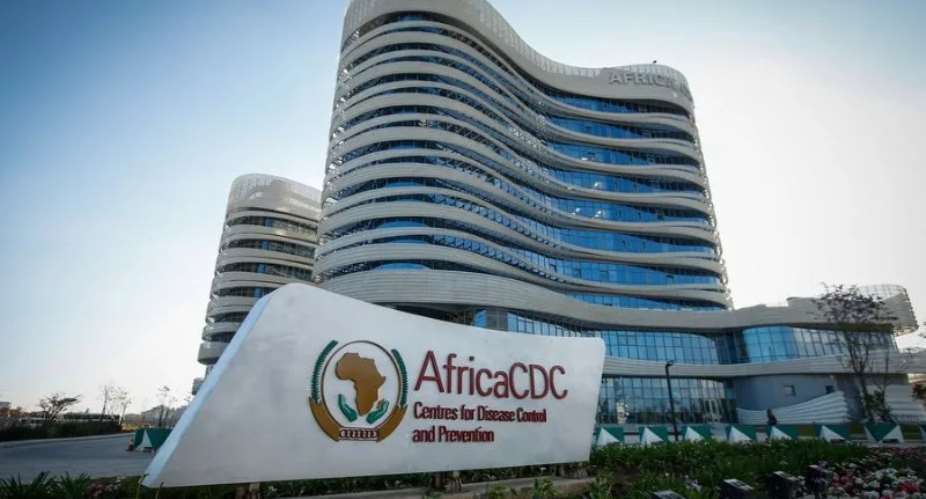
Established in 2021, the agency's headquarters were inaugurated in Kigali, Rwanda, in November 2024. Its mandate includes harmonising regulatory standards, supporting national medicines regulatory authorities and facilitating regulatory reliance mechanisms.
Under regulatory reliance arrangements, national authorities can draw on scientific assessments conducted by trusted regulatory institutions, including the World Health Organization, the European Medicines Agency and the United States Food and Drug Administration.
This allows countries to concentrate their resources on local considerations, including disease patterns, safety monitoring and pharmacovigilance, rather than duplicating assessments already undertaken elsewhere.
However, the AMA remains in an early operational phase. Its technical committees, staffing structures, regulatory workstreams and sustainable financing arrangements are still developing.
Its effectiveness will therefore depend on the commitment of African Union member states to operationalise their obligations and integrate continental regulatory processes into national systems.
Why Africa matters in global medical research
Beyond improving approval timelines, greater African participation in clinical trials has significant scientific, economic and ethical implications.
Africa's extensive genetic diversity offers valuable opportunities for pharmacogenomics research, particularly in understanding how genetic differences influence individuals' responses to medicines and treatments.
The continent also faces a dual disease burden involving persistent infectious diseases alongside rapidly increasing non-communicable diseases. This creates important opportunities for research into treatments and interventions that reflect the health needs of diverse populations.
From an economic perspective, the expansion of Africa's healthcare market presents opportunities for pharmaceutical companies, research institutions and investors willing to establish long-term partnerships and research infrastructure.
The ethical argument is equally important. Populations that carry a disproportionate share of the global disease burden should have meaningful representation in the research that informs their healthcare.
Clinical trials conducted predominantly in high-income countries may not adequately capture the genetic diversity, environmental exposures and disease patterns found in African populations.
Increasing participation could therefore improve the relevance and generalisability of clinical evidence while strengthening access to scientific knowledge and innovation.
However, the authors emphasise that expanded research must be accompanied by fair arrangements governing data ownership, intellectual property and benefit-sharing to ensure African institutions and communities benefit from studies conducted on the continent.
Capacity gaps threaten progress
Despite the promise of regulatory harmonisation, significant challenges remain.
Uneven political commitment among African countries could slow the adoption of common regulatory standards. Differences in institutional capacity, funding and technical expertise may also prevent some national regulators from participating effectively.
Many regulatory authorities continue to rely on paper-based submission processes, limiting transparency and slowing the review of clinical trial applications.
There are also shortages of specialised expertise in areas such as advanced biologics and complex clinical trial designs. In some countries, ethics committees and regulatory authorities conduct their reviews sequentially rather than simultaneously, further extending approval timelines.
Another concern is the limited attention given to post-market surveillance and pharmacovigilance. While regulatory harmonisation discussions have largely focused on accelerating trial approvals, monitoring the safety and effectiveness of medicines after they enter the market remains equally important.
The authors also identify opportunities for artificial intelligence and machine learning to strengthen regulatory systems. These technologies could support regulatory reviews, adverse event detection and clinical trial monitoring, particularly in countries facing shortages of specialised personnel.
However, such investments would need to be accompanied by appropriate digital infrastructure, technical expertise and safeguards.
Building a sustainable African clinical research ecosystem
For Africa to realise its potential as a global clinical research hub, the authors call for coordinated action involving governments, regulatory institutions, research organisations, pharmaceutical sponsors and development partners.
African research institutions are encouraged to strengthen compliance with international standards, including International Council for Harmonisation Good Clinical Practice (ICH-GCP) principles, while making greater use of regional regulatory mechanisms.
Investments in institutional digital infrastructure, including clinical trial registries, research databases and professional websites, could also improve the visibility of African research institutions and attract international partnerships.
Pharmaceutical companies and contract research organisations are urged to engage early with the African Medicines Agency and regional regulatory bodies while investing in local research capacity.
Such partnerships, the authors argue, must go beyond using African countries as locations for clinical trials. They should promote equitable research arrangements that recognise African institutions as meaningful scientific partners and address questions of data ownership, intellectual property and benefit-sharing.
Governments and development partners also have a critical role to play through predictable financing, technical assistance, workforce training and investment in regulatory infrastructure.
The African Medicines Agency, in particular, will require sustainable financing and strong political support to move from institutional establishment to fully operational continental regulatory leadership.
A new chapter for African health research
Africa's regulatory transformation presents an opportunity to address more than administrative inefficiencies. It offers a pathway towards stronger health systems, greater scientific participation and more equitable access to medical innovation.
The progress made through the EAC-MRH, ZaZiBoNa and ECOWAS initiatives demonstrates that collaboration can significantly improve regulatory efficiency. The African Medicines Agency now offers an opportunity to build on these achievements at continental scale.
But the transition will require more than common standards and faster approval timelines. It will depend on sustained investment in national institutions, scientific expertise, digital systems and ethical research partnerships.
As the authors argue, every clinical trial conducted in Africa has the potential to strengthen regulatory institutions, develop local research capacity and advance health equity.
The central question is no longer whether Africa can participate meaningfully in global clinical research, but whether governments, investors and international research partners are prepared to make the long-term commitments necessary to turn that potential into reality.
Source: Balinda, H.U., Tchafa, A. and Tchafa, F. (2026). Africa’s Regulatory Revolution: How Harmonized Regulation Can Transform Global Clinical Trials. Open Access Journal of Clinical Trials, 18. https://doi.org/10.2147/OAJCT.S599551.

 'Funny' NPP recruited 'goro boy' Alhassan Sumani as Ministry staff to perpetuate...
 Fraudsters impersonate TraffiTech-GH to steal motorists’ banking details – CSA c...
 Ablakwa cannot be blamed for alleged passport irregularities – Dzimega
 NPP bigwigs quietly visiting EOCO, CID daily over ORAL cases – Kabila
 Ablakwa has no supernatural powers to stop public servants from committing crime...
 Police to arrest motorists with tinted glass, unlicensed driving and other offen...
 TrafficTech operators accused of dubious tactics to capture motorists for speedi...
 How two Level 300 University students drown in a week
 Passport scandal: Retract or I’ll sue you – Pendilock warns Kabila
 I won and I have been reinstated – Pendilock speaks on Foreign Affairs Ministry ...


