




French health authorities said Thursday that the Shamonda virus, which usually affects livestock, had been detected in a human for the first time in a severely immunocompromised patient who died earlier this month.
There was "no health risk to the general public identified at this time", the health and agriculture ministries said in a joint statement.
It added that the human infection appeared to be "an exceptional case involving a severely immunocompromised patient" hospitalised for a serious medical condition.
"Despite circulating in Africa and Asia for several decades, the Shamonda virus has never previously been detected in humans," the ministries said.
The virus, which belongs to the Orthobunyavirus group, was first detected in Europe this summer, they said.
Read more France confirms first Ebola case in doctor returning from DR Congo mission
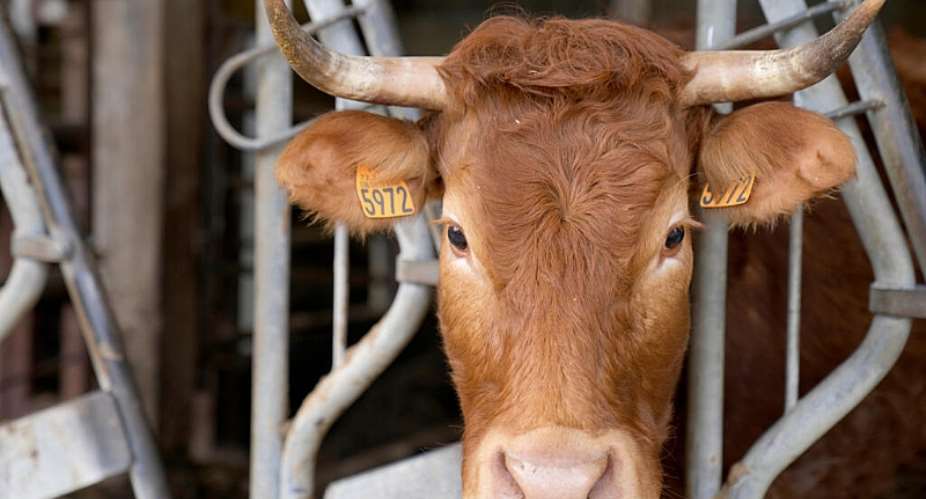
Transmitted by biting midges and most commonly found in cattle, Shamonda has also been found in horses, alpaca, sheep and goats, the World Organisation for Animal Health (WOAH) said.
At this stage in the investigation, the patient was believed to have contracted the virus through the bite of a midge in eastern France, where the virus was circulating in animals during the spring and summer, the ministries said.
"The neurological complications observed in the immunocompromised patient prior to his death are very likely linked to infection with the Shamonda virus," they added, citing preliminary findings.
But "clinical, biological and epidemiological investigations are still ongoing", they said.
Fever and lethargy
The virus was first detected in Nigeria in the mid-1960s and has since been reported in cattle in several parts of Africa and in Japan.
The virus was detected in Europe for the first time at the end of July, including on cattle farms in France.
It has now been detected in 14 western European countries, according to an epidemiological bulletin from France's national research institute monitoring animal health.
Cattle are considered its main animal hosts, although sporadic infections in smaller livestock and horses have also been identified in France this summer.
In cattle, the main symptoms are acute diarrhoea, fever, lethargy and a drop in milk production.
A study of French nine dairy farms found milk output fell by up to 75 percent in affected herds.
There are currently no commercially available vaccines against Shamonda virus, WOAH said.
An investigation is ongoing, and both the World Health Organization and the European Centre for Disease Prevention and Control have been notified.
(FRANCE 24 with AFP and Reuters)


 New Economy policy must address Ghana’s skills gap and import dependence – Sam O...
 GES mourns four pupils killed in Aboabo Junction accident
 CSA, NITA issue seven-day directive to government agencies to patch critical PHP...
 Critics unfairly expect Prof Opoku-Agyemang to make emotional statements about i...
 Obuasi SHTS sexual abuse: Let's not get overly emotional to hang an innocent man...
 Africa faces 'complex' Ebola outbreak after spread to Nigeria: WHO
 Kwame Dzokoto reportedly dead
 Ghana intensifies airport screening and Ebola surveillance amid reported cases i...
 15,000 aspirants to contest NDC constituency executive elections this weekend
 October 22: Cedi sells at GHS12.25 on forex market, GHS11.66 on BoG interbank


