




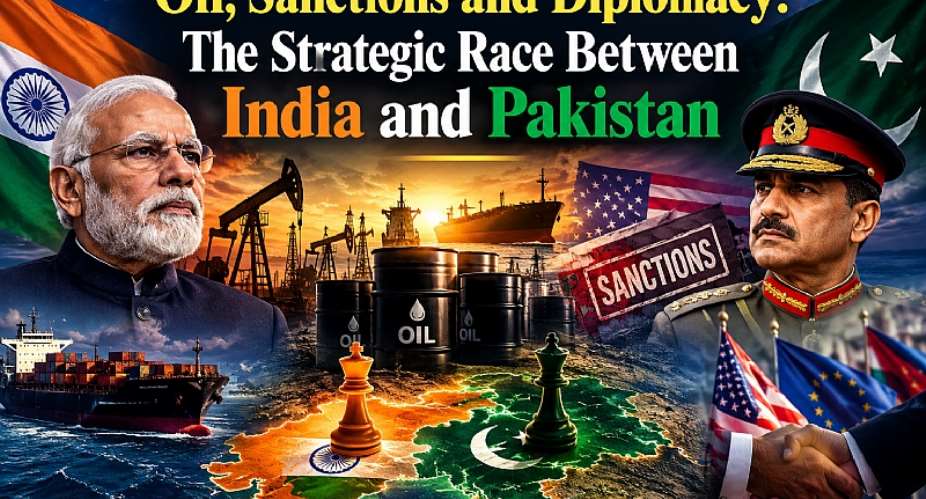
Peace remains an incomplete process when those possessing the authority to prevent it refuse to do so. The geopolitical tensions initially centred on Iran, the United States and Israel are now influencing calculations across the Middle East and South Asia, with diplomatic manoeuvres extending towards New Delhi and Islamabad. As the regional equation evolves, three questions demand attention: what is Moscow offering Tehran, what can Washington extract from New Delhi, and how will Pakistan convert its diplomatic position into strategic leverage?
What Does Russia Want From Iran?
Moscow has traditionally preferred operating behind the diplomatic curtain rather than in front of the cameras. The idea of a regional security framework and collective deterrence, reportedly discussed between Vladimir Putin and Abbas Araghchi in May 2026, reflects a broader ambition: to shape regional outcomes without necessarily becoming directly involved in another military confrontation. Subsequent discussions involving China and Pakistan have added further dimensions to this emerging diplomatic narrative.
Araghchi's latest meeting with his Russian counterpart underscores the importance of their shared interests. His assertion that Iran and Russia have never been closer suggests a relationship strengthened by strategic necessity. Their discussions, spanning Europe and Asia, may offer clues to the next phase of regional diplomacy. Moscow, meanwhile, has emphasised its desire to prevent further escalation.
Russia's approach appears calculated. By distancing itself from direct military involvement while offering diplomatic engagement, Moscow can preserve its influence without assuming the full costs of the conflict. Any easing of Western sanctions on Russian oil could further change the calculations, particularly if global energy markets face supply disruptions. Tehran may also see opportunities in closer energy coordination with Moscow.
Can Moscow turn its relationship with Tehran into diplomatic leverage over Washington? That remains the central question. Russia may be able to offer Iran economic and political alternatives, but the extent of its influence will depend on the terms of any settlement and the willingness of the parties to accept them. Strategic alignment does not automatically mean that their interests will always coincide.
What Will Rubio's Visit to India Mean for Trump's Deal?
India represents another important front in this geopolitical contest. Reliance Industries, led by Mukesh Ambani, occupies a major position in the country's refining and petrochemical sectors, making India's energy requirements an important consideration in the international oil equation.
For Donald Trump, energy prices, trade negotiations and sanctions policy carry both strategic and domestic political significance ahead of the US midterm elections. Russian crude oil supplies, developments affecting Saudi Arabia and wider regional instability could all influence India's bargaining position. However, the actual benefits will depend on market conditions, sanctions enforcement and the terms Washington is prepared to negotiate.
India's foreign policy establishment understands this leverage. External Affairs Minister Dr S. Jaishankar has famously described India as not merely a middle power but a power in the middle. The distinction reflects New Delhi's ambition to negotiate with competing powers rather than remain confined to a single strategic camp.
Can Jaishankar secure concessions from Washington, and will Narendra Modi be able to turn India's strategic importance into a better deal? Lower tariffs, potentially within the 5–10 per cent range, and greater flexibility over Russian oil imports would be significant gains if achieved. Yet Washington also has leverage, including trade restrictions, sanctions and visa policy. The outcome of Rubio's engagement will reveal how effectively India can balance its economic interests against American pressure.
Pakistan Under a Foreign Policy Shaped by Asim Munir
Pakistan faces a different but equally consequential test. Developments surrounding Iran, border restrictions and Islamabad's diplomatic engagement with Tehran could indicate an effort to manage regional pressure without allowing tensions to spill further across the border. Any such restrictions, however, require careful assessment before being interpreted as deliberate diplomatic coercion.
Pakistan's decision to avoid direct military involvement against Yemen, while expressing concern for the security of Islam's holy sites, can be understood as an attempt to balance public sentiment with regional stability. At the same time, Islamabad must navigate its relationships with Tehran, Kabul, Moscow and the Gulf monarchies.
The Afghan dimension remains particularly sensitive. If Kabul strengthens its economic and strategic links with Moscow or Tehran, Pakistan could face additional security concerns even amid border closures and disrupted trade. Asim Munir's engagement with Iran may therefore serve as a diplomatic catalyst, potentially opening channels to address border tensions, regional security and economic cooperation.
Can Moscow and Tehran offer Pakistan meaningful economic relief without provoking Washington or alienating the Gulf monarchies? Energy cooperation could provide an opportunity, but sanctions exposure and competing political interests remain formidable obstacles.
Ultimately, India and Pakistan are competing in different strategic arenas. New Delhi seeks economic concessions through its importance to global markets, while Islamabad seeks security and diplomatic space through regional relationships. Neither can afford to mistake temporary leverage for a lasting strategic victory. The regional power game is on; the real test is who can turn diplomacy into durable gains without paying a greater price.


 Govt to distribute first batch of 129 vehicles to MMDCEs in 12 regions
 UG Vice-Chancellor calls for oral exams, project-based assessment to deal with A...
 'I will use everything I have to clear my name' – Obuasi SHTS headmaster fights ...
 NPA to strengthen ties with UMaT to drive downstream petroleum sector
 'Report school abuse directly to Education Ministry' – Deputy Minister tells stu...
 'It's a curse on you' – Water Minister badmouths 'malware' workers sabotaging Gh...
 Tap water no longer drinkable near South Africa capital
 96 health facilities under construction in Ashanti Region
 GoldBod reforms create 4,866 direct jobs in less than two years — Sammy Gyamfi


