





Passion is what makes us feel alive, but empty hands and empty stomachs force us to confront survival before pursuing our ambitions. When economic hardship becomes overwhelming, the pursuit of passion is postponed, sometimes indefinitely. The consequences extend beyond individual disappointment: a struggling economy can deprive society of its brightest minds, pushing extraordinary people towards ordinary jobs simply because they cannot afford to follow their dreams.
Consider Ahad, a brilliant 19-year-old engineering enthusiast who completed his Diploma of Associate Engineering (DAE) but failed to secure admission to a public university. To keep his household running, he joined the industrial workforce. He understands circuits, loves electrical wiring and control design, and dreams of developing new engineering methods. Yet private universities in his city charge fees far beyond his family's means. When I asked what he wanted to do after completing his engineering education, his answer was simple: “It is my dream.” His words struck me deeply. I could see him caught between night shifts and an uncertain educational future, struggling to determine whether his passion could survive the demands of economic necessity.
Then there is Abdullah, a gifted singer whose ambition is to make his voice heard by the world. With no financial support after completing his intermediate education, he joined a Daewoo bus service as an assistant driver. His stay in Lahore offers occasional opportunities to build connections through hotels and other establishments, hoping someone might invite him to perform at a festival or gathering. When I asked why he wanted to sing, he replied that he believed his voice had something the world needed to hear. Asked what he would do if he became a singer, he answered painfully: “If I survive, then I could at least die peacefully.” His words reveal the emotional cost of a system in which even pursuing a dream becomes a luxury.
Ahmed's story is more tragic. An extraordinary painter, he could illuminate the human soul through his art. However, his father worked in a factory, and as the eldest son, Ahmed carried the weight of family responsibilities. He completed a BS in Chemistry and secured a teaching position in the Federal Directorate of Education (FDE), but financial pressures continued to dominate his life. Gradually, the artist within him faded. When I once asked why he had changed direction, he explained that his family's economic circumstances demanded a chemist rather than a financially vulnerable painter. Ultimately, Ahmed died by suicide. His death cannot be reduced to one cause, but his story raises a painful question: what happens when the work that sustains a person's livelihood leaves no room for the passion that gives life meaning?
These are not isolated concerns. Knowledge becomes a practical skill that earns a living, but human fulfilment also depends on creativity, expression and purpose. Poetry gives language to emotions; painting brings imagination to life; actors inhabit characters, writers give them voices, and directors translate their performances into experiences audiences recognise within themselves. Every individual possesses different aspirations, and a society that measures success only through income risks overlooking an essential dimension of human potential.
Pakistan's economic challenges make this problem particularly urgent. When education is unaffordable, employment is insecure and family responsibilities begin early, talented young people are pushed towards immediate survival. Artists work in shops, factories and schools; aspiring engineers remain in jobs that offer little opportunity for professional development. Their labour sustains households, but their unrealised potential represents a broader loss for society.
The government must therefore move beyond treating education and employment as separate policy concerns. Pakistan needs accessible technical and artistic excellence centres for students completing intermediate education. These institutions should offer affordable training, scholarships, mentorship, practical workshops and part-time employment opportunities that allow students to finance their learning while developing their abilities. Partnerships with industries, universities, cultural organisations and private employers could help connect talent with real opportunities. Such initiatives would give young people a fair chance to pursue their ambitions without abandoning their responsibilities.
A poor economy does not merely threaten present living standards; it narrows the possibilities of the next generation. The real measure of progress is not simply how much a country earns, but whether its people can develop and use their abilities. Economic policy must protect both the means of survival and the opportunities for fulfilment.
After all, success is not defined solely by what we earn or possess. It also lies in having the opportunity to become what we are capable of becoming. When an economy forces extraordinary minds to surrender their passions, the loss belongs not only to those individuals, but to the entire nation.


 Partisan EC appointments could set dangerous precedent — NPP's Kamaldeen
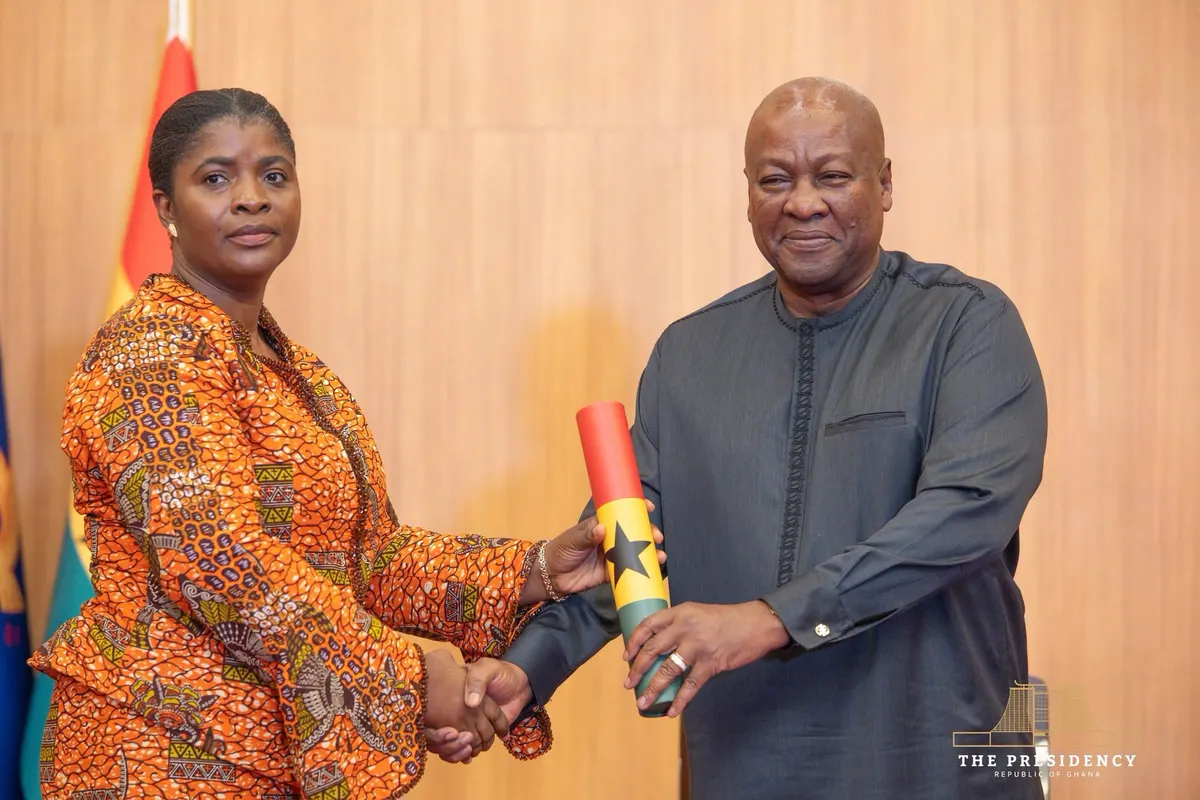 Council of State failed Mahama over Emelia Agbenyo’s EC appointment – Prof. Asa...
 Winneba: Afenyo-Markin commissions police apartments at Fetteh-Osakam
 CDD‑Ghana: EC Deputy Chair Should Step Down Now
 Family Announces October 23 Memorial Mass for Nana Konadu Agyeman-Rawlings
 Eduwatch Urges Nationwide Audit of Sexual Misconduct in Secondary Schools
 Obuasi SHTS alleged sexual abuse: Kwasi Kwarteng criticises Education Minister o...
 ECOWAS’ $250,000 flood relief donation arrives in Ghana – Ablakwa
 State failure, not GoldBod, driving galamsey – Daryl Bosu
 A Rocha Ghana raises alarm over human rights abuses in mining communities


