




Bawku Senior High School (BAWSCO) has appealed to the government, non-governmental organisations and other stakeholders for urgent infrastructure support after recording a 93.3% pass rate in the 2025 West African Senior School Certificate Examination (WASSCE), despite years of disrupted teaching and learning linked to conflict and instability in the area.
The school presented 703 candidates, comprising 329 males and 374 females, for the examination.
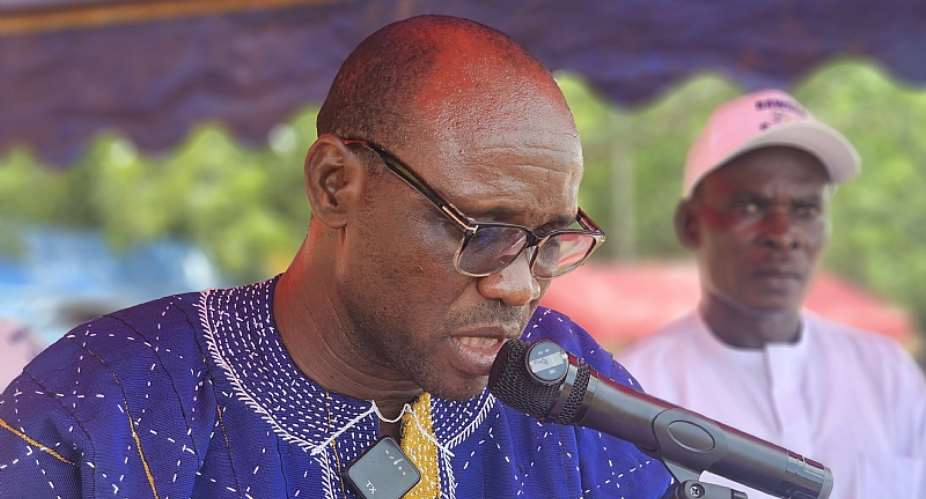
According to the headmaster, Rev. Bukari Abugbilla, 467 students, representing 66.4% of the candidates, passed all eight subjects, while 201 qualified for tertiary education with grades ranging from A1 to C6. The school recorded a failure rate of 5.2%.
Rev. Abugbilla announced the results during the school’s 56th Speech and Prize-Giving Day on October 10, 2026, under the theme: “Building Peace Through Quality Education: The Role of the 21st Century Stakeholder.”
Management says it remains optimistic about improving the school’s performance in the 2026 WASSCE and strengthening its participation in the National Science and Maths Quiz (NSMQ), with support from the Bawku Old Students Association (BOSA).
Infrastructure challenges persist
Despite the academic gains, the school continues to grapple with serious infrastructure deficits that threaten efforts to improve teaching, learning and student welfare.
About 66 staff bungalows, including 10 constructed by the Parent-Teacher Association (PTA), are in urgent need of renovation.
Two major housing projects—a three-storey staff flat intended to accommodate six families and a four-bedroom bungalow sponsored by GAPOHA—have reportedly been abandoned for more than a decade.
The school operates seven dormitory blocks serving 15 houses named after notable personalities, including Osagyefo Dr. Kwame Nkrumah, Hon. Hawa Yakubu and Azoka, the grandfather of the current Zugraan, Bawku Naba.
The dining and assembly halls, which have a combined seating capacity of only 400, are also struggling to accommodate the growing student population.
Other concerns include inadequate toilet facilities, shortages of beds and furniture, dilapidated dormitories and the absence of official transport for the headmaster.
The school is also faced with an unreliable water supply, forcing students to walk long distances to obtain water.
Headmaster seeks stakeholder intervention
Rev. Abugbilla has called on the government, NGOs and other stakeholders to support efforts to address the school’s infrastructure challenges and improve conditions for students and staff.
The school’s performance highlights the determination of its students and teachers to pursue academic excellence despite difficult circumstances. However, management believes sustained investment in infrastructure will be essential to maintaining the gains and achieving further improvements.


 ‘We have turned the tide’ – Ato Forson says Ghana is ready to take off
 Sammy Gyamfi refuses to file defence, hides behind technicalities — Lawyers
 Osahen Afenyo-Markin vows to pursue case against Sammy Gyamfi despite high court...
 Let us all be mentors to our younger generation - Mahama
 Court stops Osenase homecoming over security concerns
 Supreme Court dismisses Solomon Asamoah's bid to stop Sky Train trial
 GRA denies imposing new 20% tax on Netflix, Google and Amazon subscriptions
 Police arrest 16 suspects, seize 209 rounds of ammunition at Gbane mining site
 ‘Mahama has lost his moral high ground’ – Dr Zaato on Affi Agbenyo’s EC appointm...
 Cassava, hemp could offer alternatives to plastics – Zanetor challenges scientis...



Comments
Congratulations