




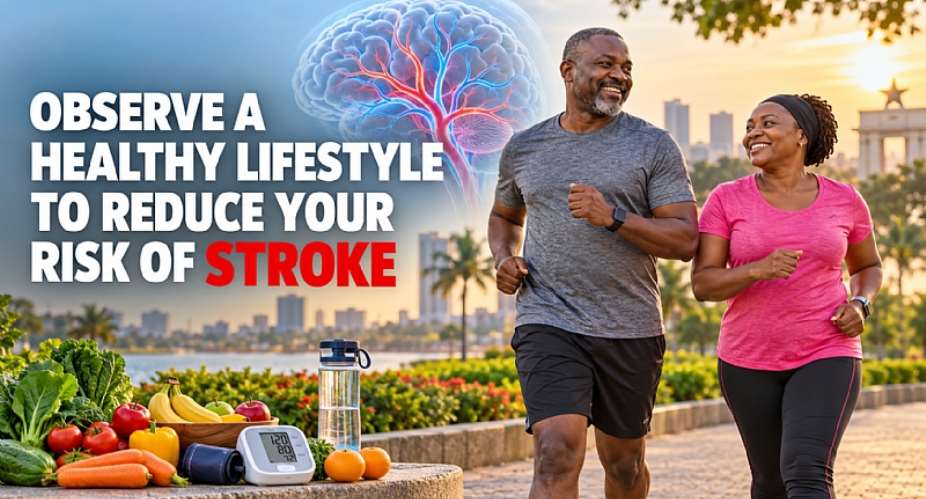
Stroke rarely gives advance notice. A person may be speaking normally one moment and, minutes later, become unable to move an arm, walk properly or form a sentence. It can cause permanent paralysis, loss of speech, impaired vision, memory problems or death.
Often described as a “brain attack,” a stroke occurs when blood flow to part of the brain is interrupted. In an ischaemic stroke, a clot blocks a blood vessel supplying the brain. In a haemorrhagic stroke, a blood vessel ruptures and causes bleeding in or around the brain. In both cases, brain cells can begin dying within minutes, making stroke a medical emergency.
Stroke is a major health concern in Ghana and across Africa, where it frequently affects people during their productive years. Ghanaian hospital studies have documented a substantial burden of stroke-related admission, disability and death. Ghana’s 2023 nationwide survey of noncommunicable-disease risk factors also found that 21.7 per cent of adults had hypertension, one of the most important causes of stroke.
The encouraging fact is that many strokes can be prevented. The World Health Organization identifies high blood pressure, tobacco use, high cholesterol, diabetes, excess body weight, physical inactivity, unhealthy diets and harmful alcohol consumption among the major modifiable risk factors. Prevention, however, requires more than occasional health advice. It demands regular screening, appropriate medical treatment and lasting changes in everyday behaviour.
Controlling blood pressure is one of the most effective steps a person can take. Hypertension gradually damages the arteries but commonly causes no warning symptoms. A person can feel healthy while living with dangerously high blood pressure. The only reliable way to know is to have it measured correctly.
The World Health Organization generally defines hypertension as readings of at least 140/90 mmHg recorded on two separate days. Blood-pressure targets may be lower for people with diabetes, kidney disease, cardiovascular disease or a high risk of complications. Anyone with repeatedly elevated readings should consult a qualified health professional instead of diagnosing or treating the condition independently.
People who have been prescribed antihypertensive medication must take it as directed. The absence of headaches or dizziness does not mean that hypertension has disappeared. Medication should not be stopped, shared or taken only when symptoms are felt unless a clinician gives such instructions.
Diet also matters. Ghanaians can reduce their risk without abandoning familiar foods. Meals built around beans, kontomire and other leafy vegetables, garden eggs, okra, fresh fruit, whole grains, groundnuts, avocado and fish can support cardiovascular health. Sardines and mackerel are useful alternatives to frequent servings of fatty or processed meat.
Salt deserves particular attention. WHO recommends consuming less than five grams of salt—approximately one teaspoon—from all sources each day. This includes salt already present in bread, processed foods, seasoning powders, stock cubes, salted fish, canned products and restaurant meals. Simply refusing to add salt at the table will not be enough if the rest of the diet is heavily salted.
Sugary drinks, pastries, highly processed foods and meals containing excessive saturated or trans fats should be limited. Water should become the main everyday drink. A healthy eating pattern is not a short-term punishment but a sustainable way of protecting the heart, blood vessels and brain.
Regular physical activity is equally important. Adults should aim for at least 150 minutes of moderate-intensity exercise each week. A brisk 30-minute walk on five days of the week can help meet that target. Dancing, cycling, gardening, sweeping, climbing stairs and active household work also count when they raise the heart rate. Strengthening activities on at least two days a week provide additional benefits.
Exercise helps control blood pressure, weight, cholesterol and blood sugar. People who have been inactive for a long time or who live with heart disease or another serious condition should obtain medical guidance before beginning strenuous exercise.
Tobacco must be avoided completely. Smoking damages blood vessels, raises the likelihood of blood clots and substantially increases stroke risk. Exposure to second-hand smoke is also harmful. People who smoke should seek professional support to quit rather than assuming that cutting down provides adequate protection.
Alcohol requires similar caution. Heavy or binge drinking can increase blood pressure and contribute to an irregular heartbeat known as atrial fibrillation, which can cause blood clots to travel to the brain. Anyone who does not drink should not begin for supposed health benefits. Those who drink should consume as little as possible and avoid binge drinking.
Energy drinks are not a treatment for tiredness or low energy. Their caffeine and other stimulants can temporarily increase blood pressure and heart rate, especially when several are consumed rapidly. Combining them with alcohol is particularly unwise because caffeine can make a person feel less intoxicated without reducing the effects of alcohol on judgement and coordination.
Maintaining a healthy weight and controlling diabetes and cholesterol are also essential. Excess abdominal fat is associated with high blood pressure, insulin resistance and cardiovascular disease. Regular health checks should therefore include appropriate assessment of weight, waist measurement, blood glucose and cholesterol, particularly for people with a family history of stroke, hypertension, diabetes or heart disease.
Adequate sleep and responsible stress management support good health, although they do not replace medical treatment. Adults generally need seven to nine hours of sleep. Persistent loud snoring, interrupted breathing during sleep, morning headaches or severe daytime sleepiness may indicate sleep apnoea and should be medically assessed.
Prevention must be accompanied by the ability to recognise an emergency. The expanded reminder “BE FAST” captures important warning signs: sudden loss of Balance, sudden Eye or vision problems, Facial drooping, Arm weakness and Speech difficulty. The final letter, T, means that it is Time to seek emergency help.
Other symptoms may include sudden numbness on one side of the body, confusion, difficulty walking or an unusually severe headache. Even when symptoms disappear after a few minutes, the person may have suffered a transient ischaemic attack, sometimes called a mini-stroke. It remains an emergency and may warn that a major stroke is approaching.
In Ghana, the National Ambulance Service can be reached on 112, free from any network. Note when the symptoms began and call immediately. Do not allow the affected person to sleep in the hope that the condition will pass. Do not give food, drink, herbal preparations or aspirin, because swallowing may be impaired and some strokes are caused by bleeding. Rapid hospital assessment and brain imaging are necessary to determine the appropriate treatment.
Stroke does not affect only older or wealthy people. It can strike individuals across social and economic groups, but its risk can often be reduced through deliberate action. Check your blood pressure, take prescribed medication, avoid tobacco, limit alcohol, remain physically active and choose fresh, balanced food over heavily processed alternatives.
The habits practised today can determine the level of independence enjoyed tomorrow. The brain controls movement, speech, thought and memory. Protecting it must therefore become a daily responsibility.


 Govt to launch $18.8m REWARD project to boost rice production in November, cut $...
 Ghanaian doctor makes history as first African inducted into world's highest avi...
 Ibrahim Mahama urges stronger support for Ghanaian entrepreneurs as Dzata Cement...
 PAC orders CWSA to engage IGP over GH¢300,000 police water debt
 CPP launches nationwide membership drive, targets Ghanaian youth and professiona...
 Study reveals how climate disasters fuel child marriage, teenage pregnancy
 GJA gives Armed Forces 14 days to probe alleged assaults on journalists at La Pl...
 'Law should not hasten the death of an enterprise which proper intervention may ...
 Government spends GH¢917m on No-Fees-Stress support for 321,807 students
 GTA CEO Maame Efua Houadjeto faces visa fraud allegations over 2026 World Cup me...


