




Brief on Sawla
Sawla is the district capital of the Sawla-Tuna-Kalba District of the Savannah Region of Ghana since its creation in 2005 from the Bole District under the JA. Kufuor Administration. Sawla is also the Constituency Capital of the Sawla-Tuna-Kalba Constituency since its creation in 1992 under the J.J. Rawlings Administration. This is the political history of Sawla.
Traditionally, Sawla is a Vagla community, with Vagli as the first language and Vagla as the people. The Vagla tribe first established Sawla several years ago; they migrated from Isala (Sissala land) and settled at a location called Sawla-Zee (a location between Jang and Dabori). It is important to note that Jang and Dabori were established long before the Sawla-Zee community. Sawla is an offshoot of Older Vagla communities like Kunlog and Dagbigu. Finally, the Sawla people moved more southward and settled and established the current community called Sawla, with their supreme shrine as Sawla Heu. Other shrines and deities of Vagla of Sawla include Sawla Weegu, Sawla Bii, Sawla Gonbezee Wiizi, Sawla Nii Wiizi (Dampu Binii/Fali), Sanzee Wiizi, Bosiba Wiizi among the nine sacred and revered Vagla of Sawla sacred objects of worship (deities /shrines). These are sacred traditional objects of worship/sacrifice in Sawla - a typical Vagla town.
Sawla, as a typical Vagla community, does not mean that Sawla is a monolithic community; there are other tribes who met the Vagla and cohabited with the Vagla in Sawla. These other tribes have coexisted with the Vagla for many years. Sawla is indeed becoming a mini-cosmopolitan town in terms of ethnic groups and different groups living in Sawla. Today, Sawla has grown to include multiethnic groups and diverse languages. Despite the changing demographics, the culture of the people of Sawla is preserved and protected by the Vagla Chiefs, Elders and the Youth and by the Vagla people from generation to generation. Per the traditions and the customs of Sawla (Vagla culture) of the people of Sawla, there is a Vagla tradition in which the Sawla land is often pacified, and the biggest or greatest of the land pacification rites often take place at the Sawla Grand Shrine called Sawla Heu. The land pacification is an annual traditional event. Other pacifications that also take place include the Sawla Bii-Zee, among others, before the grand shrine (Sawla Heu). This land cleansing or land pacification in Vagla is called HEU KWAARA. The Land Cleansing or Land Pacification Festival or Sacred Rite (HEU KWAARA) is the preserve of the Vagla tribe, who are the Aborigines of the land (HEUHINA / TINDANAS) – the Custodians of the Land for several centuries in the Savannah Region of Ghana.
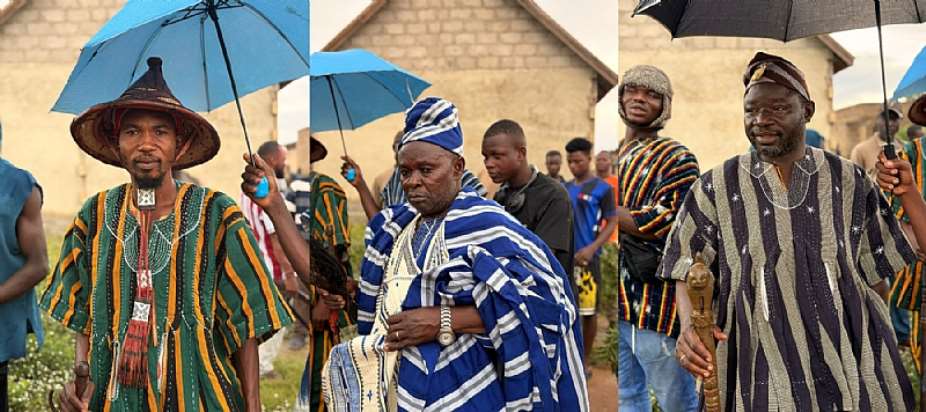
Vagla Traditional Leaders perform the Sacred Rite of Sawla Land Cleansing/Land Pacification
The 2026 Land Cleansing/Pacification by the indigenous Vagla people of Sawla commenced or started on Sunday, September 27, 2026. The four-day activities, as captured in the invitation letter issued by the Sawla Heuhin Siayo Kipo Jimah II include the following:
-Day 1 (27th September 2026): Arrival of visitors and customary rites at the Sawla Koro Jara Dani Salia II Palace for collection of guinea corn. This traditional practice in Vagli is called “Ba Kpa Konmia”
- Day 2 (28th September 2026): The decades-old traditional practice of catching animals (fowls, among others). This is also known in Vagli as “Heu Zala Lauraa”
- Day 3 (29th September 2026): Traditional Zingo dance, drumming and cultural display overnight. This is where the Sawla People, especially the Sawla Drummers and singers, will perform the traditional dance called “Zingor”. The dance starts at night and continues overnight till dawn at the Sawla Traditional Square called “Bosiban”. We praised the Sawla Youth for their numbers at the Traditional Square Bosiba; great commendation to the Youth Club of drummers and dancers.
- Day 4 (30th September 2026): This is the last or the final day; the Grand Durba day of final Land Cleansing or Land Pacification and thanksgiving is performed by the Vagla Traditional Chiefs, Elders and people under the Traditional Leadership of the Sawla Heuhin Siayo Kipo Jimah II, Sawla Koro Jara Dani Salia II, who was fully represented by Tuunadowe Atta as the Jara and the Sawla Gbandi Charles Kipo. The Sawla Heuhin 2026 invitation ends with the message “All sons and daughters of Sawla both home and outside are cordially invited to participate”.
The Sawla land pacification sequence of traditional rites starts with “Komia Kpai”, the brewing of Pito (local drink) from millet. The Millet is soaked to signal the start of the land cleansing (land pacification) process in Sawla in the Savannah region of Ghana. Sawla women are very crucial in carrying out this traditional role.
The Second Day's major event is called “Zalaa Lawa”. This event in Vagla means the catching of fowls from communities of the Sawla Land, including Sawla Town. The residents of Sawla are very much aware of the Vagla practice of catching fowls solely for land cleansing or pacification. Some community cleanliness and leadership by example like Sawla Heuhin was carried out by the traditional leadership and backed by the Sawla Youth by cleaning the Sawla town environment. This is a new initiative of the young Heuhin who is fully supported by the teeming youth of Sawla. Sawla Gbandi is another key traditional player in terms of active participation in the sacred rites. We are proud of the efforts and the active traditional role of Sawla Gbandi Charles Kipo. A proud son of Kipo Droba of the Luri lineage of the Luri Sal of Sawla. May your reign be great for Sawla.
The third significant traditional practice is drumming and dancing overnight of the Zingo dance. The fourth and final day is marked by the slaughtering of animals, including fowls. This slaughtering event, the Vagla called it “Zalaa Kpui”. This is the most significant traditional event, which is very spiritual, where the living offer prayers to their ancestors, gods and shrines of the Sawla Land. These activities were widely communicated to the people of Sawla through various means of communication, including print, audio and the use of social media outlets, in a poster. It is important to note that after the offering of sacrifices was completed, in the afternoon, a traditional Dance called Jansi was performed by the seasoned drummers and several people dancing to the Jansi dance. Indeed, the Jansi Dance came on, and it was performed in the traditional square called Bosiban in the Sawla Central Township. It is important to note that the people of Sawla value these traditional practices and sacrifices and all support it irrespective of their faith. Also, these traditional practices were there before the arrival of Christianity and Islam.
The Three-In-One Traditional Leaders in Sawla for Land Cleansing/Pacification
The traditional leader who led the Land Pacification is called SAWLA HEUHIN-The Supreme Earth Priest, who is Siayo Kipo Jimah II. The Sawla Heuhin hails from the Kipo Aaamu Jimah Sunyazi lineage of the SINDA SAL of Sawla. The position of Heuhin is sacred, and the Heuhin connects the living to the spirit world. May the reign of Sawla Heuhin Kipo Jimah II be blissful.
The SAWLA KORO Jara (Jira) Dani Salia II hails from the Salia-Telly-Tunaadowe lineage of the HANBALAA SAL (Gate) of Sawla. It is important to note that the Sawla Koro Jara Salia II is usually represented by the elders of the Hanbalaa Sal. The current senior-most elders of Hanbalaa Sal include Naboma Eddie Telly, followed by other prominent members, including Naboma Akata, Naboma Atta Tunaa, among other elders. This year (2026) was represented by Jara Tuuna Atta.
The SAWLA GBANDI (Luura Koro/Luura Sinkinaa) Gbandi Charles Kipo was in a high traditional mood/spirit, surrounded by strong men and women. Gbandi Charles Kipo wore his rich traditional regalia, with the mantle of leadership and the Blacksmith Sword, and was surrounded by a team of powerful traditional men with the sword. Sawla Gbandi, as usual, is surrounded by the Luri Sal Elders Nabonzi, the sons and daughters of LURI SAL who represent the Sawla Luura (blacksmith) for the Sawla Heu Kwaara. May all the people of Sawla continue to support sacred land cleansing /pacification of the Sawla Heu for good harvest, prosperity and fortunes of the land.
The people of Sawla made the traditional event a success by their numbers and contributions, and they actively participated in the Sawla Land Cleansing or Sawla Land Pacification Rite. A great commendation to the Sawla teeming youth; the presence of other Chiefs from neighbouring Vagla communities like Jang Koro Kala, Tuna Heuhin Kipo Myiri II, Kunlog, Gindaabol, and Gorbol elders for your years of support for Sawla traditional events and other non-Vagla communities; and the presence of women and children, as well as other visitors who came to witness the rites. All these groups have made the 2026 SAWLA LAND CLEANSING OR LAND PACIFICATION a great success. The presence and the support of other prominent politicians across the political divide, largely by the ruling NDC leadership and the main opposition party (NPP) and other political groups, are commended for the 2026 Sawla Land Cleansing or Land Pacification Rite. May all people of Sawla and beyond continue to join the Vagla to observe the beautiful Land Cleansing / Land Pacification, which is for the benefit of all the tribes/people in the Sawla area.
Significance of the Land Cleansing by the Vagla - who are the custodians of the Land.
The land pacification is very crucial, as the Custodians of the land pray for rain, good harvest, and protection against natural disasters and calamities. This rite is to make Sawla Lands safe for all people irrespective of their ethnicity, race (colour), religion, gender, or social orientation.
The Land Pacification involves the cleansing of the land at the greatest shrine (Heu), for the good of all the people of Sawla, and the offering of prayers- pouring of libations for all communities within Sawla Lands. The prayers and sacrifices by the Vagla leaders are for the good of all people.
Pacification at the Open Traditional Square in Sawla, called Bosiban, is important. Prayers and sacrifices are offered at the Sawla Bosiban Wiizi for all people of Sawla and its villages/lands.
The Land Cleansing also includes praying for the wrongs of the people of Sawla and the Sawla Lands, including other groups’ communities within the Sawla Lands, with some special traditional rites.
There is a prayer for the good of the water, including streams, dams, and ponds (Sawla Weegu, Gonbiizee, Hanbaga Pol, Danpu Bini, ni Danpu Fali, among others) for the best of the aquatic environment of Sawla and beyond.
Some special prayers at some sacred mountains/stones (Biizee) and Hanbaga Pol Bii) and for the good of the people from all mountains, mounts and stones (Biizi) across Sawla lands. The Vagla Chiefs, Elders and the Traditional Leadership always pray for everyone living in and around Sawla.
The end of the Sawla Land Cleansing by the Vagla and the other indoor prayer of libations
The Sawla Gbandi (Lura Koro) Gbandi Charles Kipo, with the appellation Gbandi, made a special intervention for the good of Sawla and its gate (Luri Sal) and the surrounding lands.
The Sawla Koro (Dani Salia II) and his representatives and elders use the opportunity to make some prayers for all people of Sawla and their gate (Hanbala Sal).
The Sawla Heuhin (Siayo Kipo Jimah II) often takes some vows on behalf of the people of Sawla and takes the vows for the people living on all Sawla Lands for the good of the people. The Sawla Heuhin also pray for his gate (Sindaa Sal) for their prosperity and the best of all Sawla people.
The three Sawla Traditional Leaders (Chiefs of Sawla), namely Sawla Heuhin, Sawla Gbandi and Sawla Koro (Jara representative) are attached with their traditional attire at some sections of the days of the Land Pacification Rites in Sawla. May the ancestors/deities of the Land protect all.
In conclusion, it is important for the people of Sawla, Savannah Region, Ghana and Africa to be blessed. May the unity in diversity of the various ethnic groups be maintained on the land. May all tribes show respect for Vagla customs on the land. May all traditional people of Sawla and beyond continue to support the Vagla traditional leadership to continue to perform their traditional role of land cleansing/pacification. May all youth groups rally behind their traditional leaders in the provision of social and other communal services in helping the traditional leaders to act as agents of change.
Long Live the people of Sawla!
Long Live the people of the Savannah Region!
Long live the peace and the unity of all the ethnic groups living on Sawla Lands and beyond!
Credit: HEUHINA/KORO/TINDANA COUNCIL OF THE SAVANNAH REGION OF GHANA

 Creative Arts Agency Board Engages Lands Minister Over Welfare Project for Aged...
 I will rebuild demolished La Pleasure Beach if elected in 2028 to save jobs — Ba...
 Free primary healthcare requires recruitment of more nurses – GRNMA
 Ethiopia's Tigray rebels abandon regional capital as govt advances
 Mahama in Egypt for AU Mid-Year Summit
 SSNIT defends La Beach demolition, cites encroachment and security concerns
 Russia strikes another major bridge across Kyiv's Dnipro river
 Co-pilot on Flydubai flight was banned from flying by Oman for holding extremist...
 Spanish lawmakers vote down affordable housing bills in blow to Sanchez’s govern...


