




Ghana’s gross international reserves fell by about US$1.9 billion between June and August 2026, putting renewed pressure on the country’s external buffers despite relatively strong export earnings.
Data from the Bank of Ghana show that gross international reserves dropped from US$12.94 billion in June to US$11.07 billion by the end of August.
The latest decline means Ghana has lost about US$3.09 billion in reserves since the first quarter of 2026, after ending 2025 with reserves of US$13.83 billion.
The country’s reserve position initially strengthened in the first quarter, reaching US$14.16 billion in March 2026. However, the figure declined to US$13.95 billion in April and fell further to US$12.94 billion by June.
By the end of August, reserves had dropped to US$11.07 billion, reducing Ghana’s import cover from 5.7 months at the beginning of the year to 4.2 months.
The decline leaves the country with a narrower foreign-exchange buffer for meeting external payment obligations and responding to pressure in the foreign-exchange market.
The development comes despite strong export earnings, particularly from gold, which remains a major source of foreign exchange for the country.
However, the strength in export receipts has not been enough to prevent a drawdown in the reserve position.
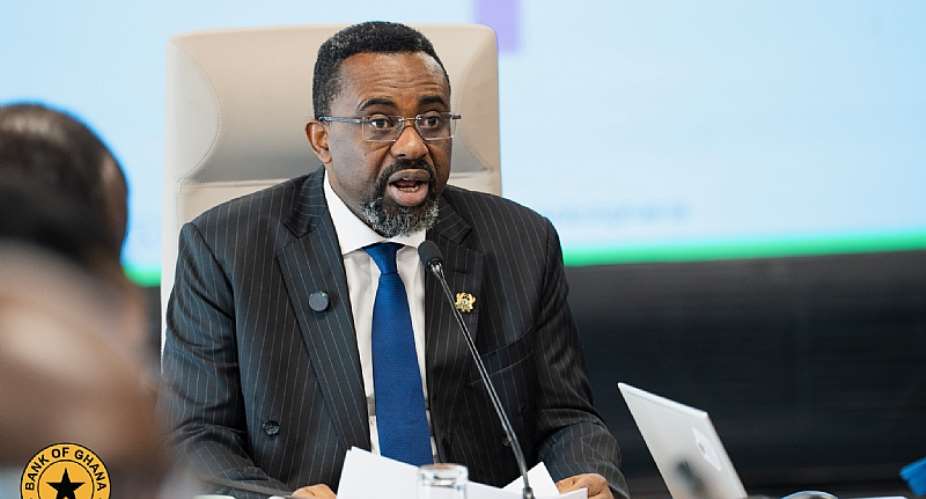
Speaking at the opening of the Bank of Ghana’s 132nd Monetary Policy Committee meeting, Governor Dr Johnson Asiama identified a projected current account deficit, falling reserves and a pause in gold exports by the Ghana Gold Board since mid-August as key risks to Ghana’s external position.
He said the developments would require close monitoring, especially as demand for foreign exchange typically increases in the fourth quarter.
“Rebuilding reserves will be a key priority for the Bank in the coming months.”
The reserve position is expected to remain an important consideration for the Monetary Policy Committee as it weighs inflation, exchange-rate stability and economic growth.
A prolonged decline in reserves could reduce the Bank of Ghana’s capacity to respond to foreign-exchange market pressures, particularly if demand for US dollars increases in the coming months.
The pause in gold exports by GoldBod also presents an additional source of uncertainty, given the importance of gold exports to Ghana’s foreign-exchange earnings and reserve accumulation.
Rebuilding the country’s external buffers will therefore be critical to strengthening its ability to withstand potential external shocks while maintaining macroeconomic stability.

 Israel must win 'because we’ve got no other choice’, PM Netanyahu tells UN
 Mahama reiterates Ghana's commitment to two-state solution to Palestine-Israel c...
 Ablakwa calls for Return of African Artefacts held abroad
 Madina MP Francis-Xavier Sosu reportedly collapses while speaking at GIMPA
 Kumasi drivers, passengers react to 8% transport fare increase
 I will unite Africa, Caribbean and Latin America into world's biggest trading bl...
 Mahama petitioned to halt Sentuo Airport Garden City construction after sod cutt...
 Government should not fund the $4 billion Accra-Kumasi Expressway project — Alan
 Democracy must deliver tangible social benefits to citizens – Mahama
 Court to rule on bail applications of six accused in 3.9-tonne cocaine seized in...


