




Geopolitical reports are not neutral documents; they are strategic instruments of influence. In global politics, information itself becomes a weapon. Reports from powerful institutions can shape perceptions, direct policy, and influence national decisions. This is why many analysts argue that geopolitical reports often function as tools of power control strategy, especially when they frame developing nations through lenses of instability, weakness, or dependency.
Institutions such as the IMF, World Bank, and major Western think tanks produce reports that can affect currency values, investor confidence, and national policy direction. Some scholars and leaders believe these reports can destabilize African economies by reinforcing narratives of risk, fragility, or mismanagement. Whether intentional or not, such narratives can weaken bargaining power, limit autonomy, and deepen dependency.
Geopolitical enemies are smart in seeing you fall. They understand how information can shape destiny. Wrong information kills nations. Foreign reports must be read with caution because they often reflect the priorities of the nations or institutions that produce them. As you said, they should write reports about their own country — but geopolitics rarely works that way. Nations write about others because influence is a currency of power.
A report can:
- shift public opinion
- affect investor confidence
- justify intervention
- weaken national morale
- shape global perception
This is why Nkrumah insisted that African nations must develop their own intellectual frameworks, their own economic models, and their own geopolitical narratives.
Ignoring Nkrumah’s Ideology Is a Living Danger
Ignoring Nkrumah’s ideology is not just a historical mistake; it is a living danger. It means repeating the same patterns that keep Africa dependent, divided, and vulnerable to external manipulation. Nkrumah warned that neo‑colonialism would not disappear — it would simply evolve into new forms:
- economic pressure
- foreign narratives
- policy influence
- strategic reports
- conditional loans
- diplomatic leverage
His message remains urgent: Africa must think for itself, speak for itself, and build for itself.
Nkrumah’s Proof: Self‑Reliance, Unity, and Political Consciousness
Nkrumah proved that self‑reliance, unity, and political consciousness are the only path to true freedom. He believed that no nation can rise on borrowed ideas, borrowed money, or borrowed validation. Freedom requires:
- economic independence
- intellectual independence
- political awareness
- continental unity
- control over narrative and identity
A nation that depends on foreign narratives will lose its own destiny. A people who trust foreign reports more than their own history will remain blind.
A nation that depends on foreign narratives will lose its own destiny. A people who trust foreign reports more than their own history will remain blind. African countries can develop greatly but are blind to wisdom.
Trade among your own nations, fight for common currency, common agencies. Common manufacturing industries. Stop greediness, stop use of negativity and misinformation. It’s time African learn to change narratives.
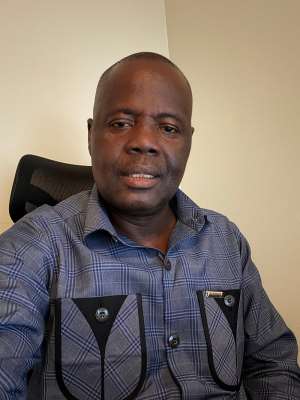
Gaddiel R. Ackah is an educator, operations executive, and youth empowerment advocate dedicated to helping young people discover purpose and rise with confidence.


 Attorney General opposes Wontumi's bid to recall prosecution witness in illegal ...
 New Heritage Cedis feature enhanced security, improved durability against counte...
 Franklin Cudjoe describes cocaine trafficking cases as national disaster; demand...
 Speaker Bagbin forwards AKSA Energy bribery deal review report to Special Prosec...
 Cabinet approves establishment of Ghana Space Agency
 God is not 'wicked' to let NPP come back to power again - Cape Coast Mayor
 China accuses US of 'fabricating' Nvidia spy claims to push tech 'blockade'
 Nvidia board weighs ouster of CEO Jensen Huang amid spy scandal
 Ghana Immigration Service introduces six-month rotational transfers for officers


