




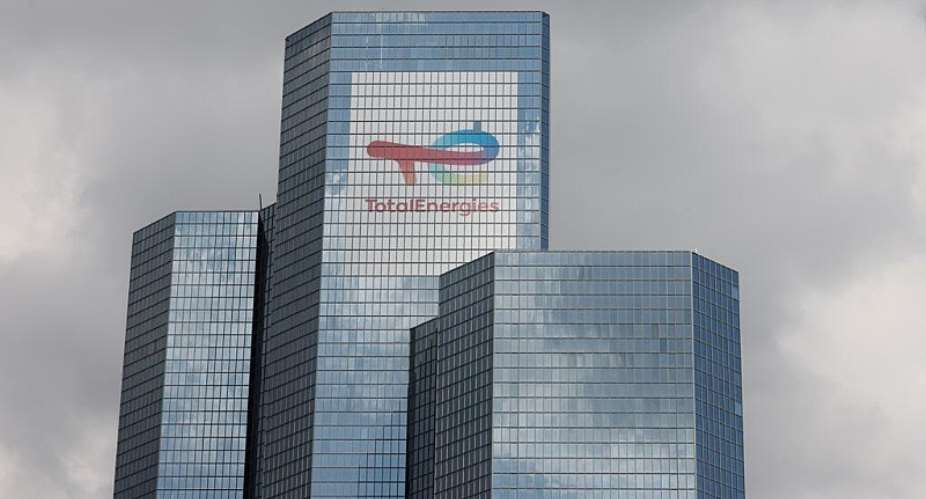
The decision fell short of requests from the climate organisations who brought the lawsuit to force the company to reduce its oil and gas production.
The court scheduled a new hearing for January 2027 to consider TotalEnergies' new assessment under a 2017 law that requires companies to prevent human rights abuses and environmental risks.
It is the first time that the so-called corporate duty of vigilance law is being applied to climate change.
The law is not intended to make companies “responsible for the risks linked to climate change, which result from all human activity on the planet since the Industrial Revolution” the court said in a statement, but rather requests them to act “according to their own situation”.
Environmental groups Notre Affaire à Tous, Sherpa, ZEA, France Nature Environnement launched the proceedings in 2020.
They claim that TotalEnergies is one of the largest historical emitters of greenhouse gas and have asked the court to require the company to reduce oil production by 37 percent and gas production by 25 percent by 2030.
The lawsuit also asks for a halt to all new fossil fuel projects.
French oil giant TotalEnergies' record profits fuel calls for windfall tax
Punishing heatwave
The decision comes as Europe is in the midst of a brutal heatwave. Punishing temperatures extended to the United Kingdom and Spain, where weather agencies issued red alerts – like France – about the risks of extreme heat for tens of millions of people.
The iconic Eiffel Tower and the Louvre museum have been forced to restrict visiting hours and school and transportation schedules have been interrupted across the continent.
Human-caused climate change is tied to increasingly extreme weather, and UN climate agency projections say the next five years are likely to shatter more heat records.
Europe is the world's fastest-warming continent, with temperatures increasing twice as fast as the global average since the 1980s, according to the European Union's Copernicus Climate Change Service.
Over the last four years, more than 200,000 people across Europe died from heat-related causes, and most of those deaths were preventable, the World Health Organization's Europe office said this month.
As oil prices rise, France suggests extra tax could help phase out fossil fuels
Series of rulings
The decision is the latest in a series of rulings in climate change cases.
Last year, the United Nations' top court, the International Court of Justice, said countries could be in violation of international law if they fail to take measures to protect the planet from climate change.
In 2024, the European Court of Human Rights ruled that countries must better protect their people from the consequences of climate change.
In 2019, the Netherlands' Supreme court handed down the first major legal win for climate activists when judges ruled that protection from the potentially devastating effects of climate change was a human right and that the government has a duty to protect its citizens.


 ‘I never said I’ll declare a state of emergency to end galamsey’ – Mahama
 Education minister to meet teacher unions on Monday over strike
 Multiple fibre cuts disrupt voice, data services across the North – NCA
 134 former NPP MMDCEs of Akufo-Addo administration demand terminal benefits
 V/R: One dead, two injured as grader knocks down pedestrians at Dzodze
 At least 16 people killed as Russia and Ukraine trade deadly air strikes
 Gov’t directs release of 50,000 bags of grain to settle Ghana's obligation to EC...
 'Stay away from Volta Region' — Togbe Afede warns Illegal miners
 ‘Common sense wasn’t working’ – Kumadoe takes on EOCO, MP standoff
 ‘Those saying they are beginning to regret coming home If that is the thank you ...


