




South Africa's struggle against apartheid was not fought in isolation. Many African countries, including Zambia, Tanzania, Nigeria, Angola, and Mozambique, provided political, financial, diplomatic, and military support to South African liberation movements. These nations offered refuge to exiled activists, hosted training camps, and advocated internationally for sanctions against the apartheid regime. Their sacrifices contributed significantly to South Africa's eventual freedom and democratic transition in 1994.
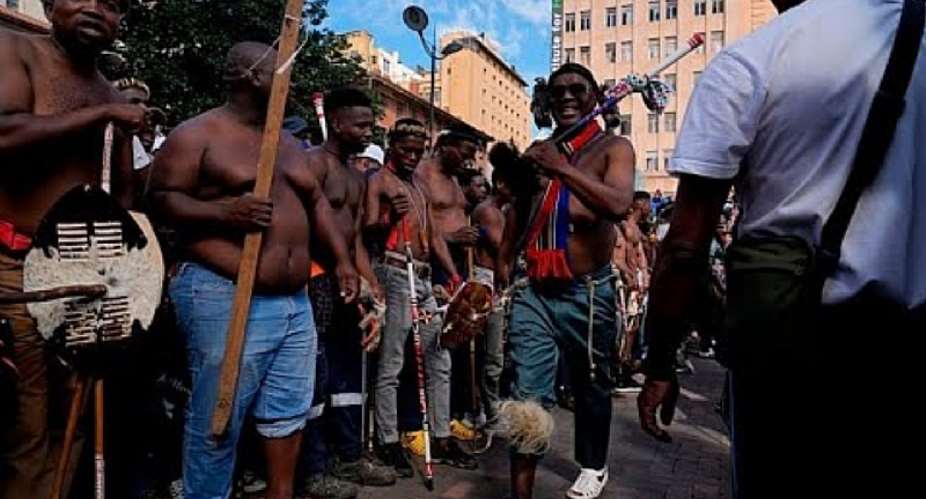
In recent years, however, recurring xenophobic attacks against African migrants and foreign nationals in South Africa have raised concerns across the continent. Critics argue that these attacks contradict the spirit of African solidarity that helped secure South Africa's liberation. The violence has led to loss of life, destruction of property, and strained relations between South Africa and other African nations. What is painful about these occurrences is the non-responsiveness of the African Union.
Questions have also been raised regarding the effectiveness of government responses and the role of law enforcement agencies in South Africa. Some observers contend that inadequate policing, slow intervention, and limited accountability have allowed xenophobic violence to persist. Others argue that stronger law enforcement measures and more decisive government action are necessary to protect vulnerable communities and uphold the rule of law.
As South Africa continues to confront the challenges of unemployment, inequality, and social tension, the nation faces an important question: How can it honor the legacy of African unity that supported its liberation while ensuring the safety, dignity, and rights of all who live within its borders?
The actions of South Africa, the non-responsiveness of the African Union and the failure of the South African government and authorities to control the ongoing unfortunate situation is an indication of the gradual failure of Africa as a continent.
If a house is divided, how can it unite against external forces. Are we doomed?
Writer: Emmanuel De-Graft Quarshie

 DGPP was Bawumia’s idea, helped grow gold reserves to 30.53 tonnes by December 2...
 Niger coup attempt: 'Russians saved the day' analyst tells RFI
 IGP decorates officer promoted for saving lives during Aboso fire
 Kumasi Inner Ring Road to close for six hours on September 6 for GRIDCo power tr...
 Eastern region: Seven killed in galamsey pit collapse at Asamang Tamfoe
 Anti-corruption fight has so far yielded positive results – PTAAM-Africa
 I've not done anything to embarrass myself, family or NPP – Afenyo-Markin reject...
 ‘Complete falsehood’ – Dr Srem-Sai rejects OSP claim of AG collaboration snub
 AU welcomes Sudanese-Sudanese dialogue initiative to end conflict
 ‘I was alone when it mattered most’ – Victoria Hamah opens up on painful past

