




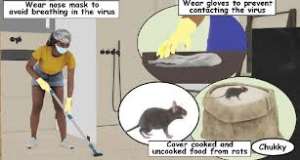
Emerging infectious diseases continue to pose serious challenges to global health systems, and growing concerns about hantavirus are now drawing attention to Africa’s level of preparedness. Although hantavirus outbreaks have traditionally been associated with parts of Asia, Europe, and the Americas, experts warn that changing environmental conditions and increasing human interaction with rodent populations could place African countries at greater risk.
Hantaviruses are primarily transmitted through rodents. Humans can become infected after coming into contact with rodent urine, saliva, droppings, or dust contaminated by these materials. In severe cases, the virus can lead to life-threatening illnesses such as Hantavirus Pulmonary Syndrome (HPS) and Hemorrhagic Fever with Renal Syndrome (HFRS).
While Africa has not recorded major hantavirus outbreaks on the scale seen in other regions, researchers have identified hantavirus strains in several rodent species across the continent. Health experts caution that weak surveillance systems and limited diagnostic capacity may mean some infections go undetected or are misdiagnosed as more common diseases such as malaria, typhoid, or other viral fevers.
Rapid urbanization and poor sanitation in many African communities have increased concerns about potential transmission. Inadequate waste disposal systems and overcrowded living conditions create ideal environments for rodent infestations, increasing the likelihood of human exposure. Climate change and environmental disruption may also influence rodent migration patterns and population growth, potentially raising infection risks further.
Africa’s healthcare systems still face major challenges in responding to emerging zoonotic diseases. Many countries struggle with limited laboratory infrastructure, shortages of trained public health professionals, weak disease surveillance systems, and low levels of public awareness. In rural and underserved areas especially, healthcare facilities often lack the tools needed to accurately diagnose hantavirus infections.
Despite these challenges, Africa’s response to previous outbreaks such as Ebola, COVID-19, Lassa fever, and Mpox has improved aspects of the continent’s public health preparedness. Institutions such as the Africa Centres for Disease Control and Prevention (Africa CDC) have strengthened regional coordination, emergency response systems, and disease monitoring capabilities. These experiences provide an important foundation for managing future health threats, including hantavirus.
Public health experts stress that prevention remains the most effective strategy. Improving sanitation, strengthening rodent control measures, promoting proper food storage, and educating communities about safe cleaning practices can significantly reduce the risk of infection. People are also encouraged to avoid direct contact with rodents and to use protective equipment when cleaning rodent-infested spaces.
Experts further emphasize the need for increased investment in research, surveillance, and laboratory capacity. Governments, universities, and health institutions across Africa must prioritize studies on rodent-borne diseases and integrate hantavirus monitoring into national disease surveillance programs. Early detection systems and rapid response mechanisms will be critical in preventing isolated cases from developing into larger outbreaks.
The growing concern surrounding hantavirus highlights the broader reality that emerging infectious diseases remain a constant global threat. For Africa, preparedness will depend on strengthening healthcare systems, expanding scientific research, improving public health education, and deepening regional cooperation.
As environmental and public health challenges continue to evolve, the key question is no longer whether Africa could face a hantavirus outbreak, but whether the continent is adequately prepared to detect, contain, and respond to it effectively.
FRANK AYIM DAMPTEY


 Police interdict seven officers over alleged extortion in Accra
 27-year-old nursing mother shot dead along Tilli–Widnaba road
 Ghana to reopen diplomatic mission in Ireland
 Ghana facilitates return of 180 nationals from Libya
 Parliament to review dollar payment for locally produced crude
 Ghana to build 1,200MW gas-fired power plant, surpassing Akosombo capacity befor...
 “Those responsible should be imprisoned for life with no food” — Friend of murde...
 “I have crocodile skin; insults don’t bother me” — President Mahama
 Police arrest 64 suspects, recover firearms in special operation at Achimota Mil...
 Madina MP receives medical attention after GIMPA collapse


