




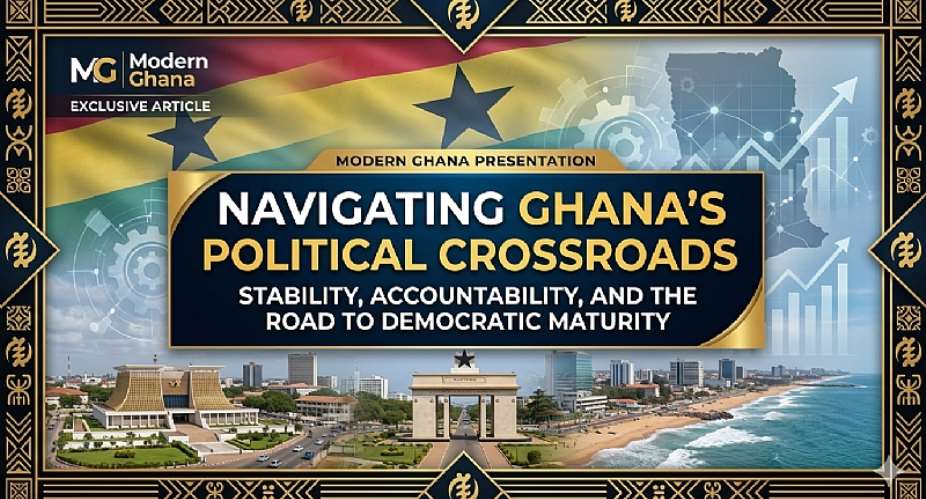
The fabric of Ghana’s democratic credentials faces a critical test as inflammatory political rhetoric collides with deep-seated economic grievances. Recent declarations threatening to make the nation "ungovernable" have sparked intense national debate regarding political accountability, national security, and the future of governance. While the opposition New Patriotic Party (NPP) navigates internal and external pressures to defend its members, it simultaneously confronts a public demanding a thorough reckoning over the economic stewardship of the Akufo-Addo, Bawumia, and Ofori-Atta administration.
This article explores the delicate balance between robust political dissent and national stability, analyzing the core contentions shaping Ghana’s current political landscape.
Key Pillars of the Political and Economic Debate
- The Threat to Governance: Declarations of making the country "ungovernable" undermine the foundational rule of law and risk alienating moderate voters who prioritize peace, security, and institutional stability over partisan battles.
- The Burden of Economic Legacy: The NPP’s path forward requires a transparent acknowledgment of the public's economic grievances, particularly regarding the debt crisis, inflation, and the severe impact of the Debt Exchange Programme on everyday citizens.
- The Defense of External Shocks: Supporters of the current administration maintain that unprecedented global crises—such as the COVID-19 pandemic and supply chain disruptions—fundamentally derailed an otherwise progressive economic agenda.
- The Power of Social Policy: Despite deep macroeconomic challenges, flagship programs like Free Senior High School (Free SHS) remain powerful pillars of the NPP's defense, proving that social intervention was sustained even under fiscal distress.
- The E-Commerce Microcosm: Just as the nation debates macroeconomic policies, everyday citizens grapple with microeconomic realities, where even contentious commercial debates—like the hidden costs of "free shipping" policies—reflect a broader public exhaustion with hidden fees, inflation, and shrinking purchasing power.
Conclusion: Reclaiming the Democratic Narrative
Ultimately, Ghana’s political future will not be won through destabilizing rhetoric, but through a transparent commitment to national reconstruction and economic empathy. For any political party to secure long-term trust, it must move away from combustible declarations and instead focus on rigorous policy alternatives and accountability. Ghanaians have consistently demonstrated a profound commitment to peace and democratic governance; they expect their leaders to mirror that maturity. Moving forward, the true measure of political strength will be found in a party's ability to heal economic wounds, protect national stability, and present a clear, sustainable vision that respects both the wallet and the peace of the ordinary citizen.
✍️ Retired Senior Citizen
For and on behalf of all Senior Citizens of the Republic of Ghana 🇬🇭
Teshie-Nungua
[email protected]

 Wee smokers invade Swedru Methodist Basic School, turn classrooms into hideouts ...
 Otumfuo approved the date for my father’s funeral — Adwoa Safo
 Akofena is embarrassing the family, destroying our late father's legacy – Adwoa ...
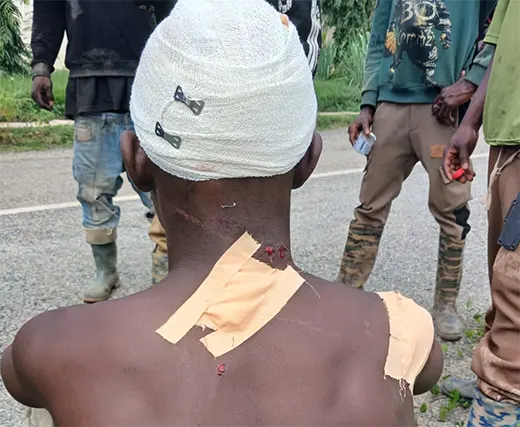 Illegal chainsaw operators shoot reforestation worker at Abesewa Forest
 ICS heads to Supreme Court to ban dog and cat slaughter, consumption in Ghana
 “Where are the 800,000 jobs?" — Patrick Boamah questions govt
 Patrick Boamah alleges several procurement breaches in Ato Forson’s constituency...
 Adu-Boahene Trial: GH¢49.1m from National Signals Bureau account – Prosecution ...
 32 more Ghanaians return from South Africa
 “I warned you several times" — Otumfuo destools 110-year-old chief of Kenyase No...

