




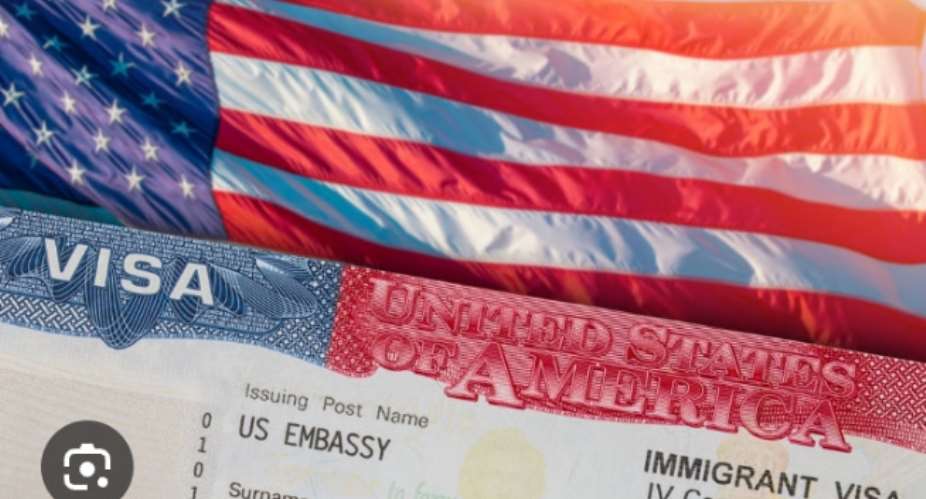
The United States has begun enforcing targeted visa restrictions on Nigerians accused of violating religious freedom, marking a significant escalation in its human rights policy toward Africa’s most populous nation.
Background of the Policy
The visa restriction policy was announced in December 2025 by U.S. Secretary of State Marco Rubio. It targets individuals who have “knowingly directed, authorized, funded, supported, or carried out” acts that violate religious freedom.
The decision followed growing concern in Washington over violence in Nigeria, particularly attacks affecting religious communities.
Implementation and Key Figures
By April 2026, U.S. officials confirmed that enforcement had begun. The U.S. Ambassador-at-Large for International Religious Freedom, Rashad Hussain, stated that the restrictions are being applied to those responsible for serious abuses.
However, the U.S. government has not publicly released a full list of sanctioned Nigerians, which is common in visa restriction cases for diplomatic and legal reasons.
Nigerian Figures Mentioned in Reports
Some Nigerian political and public figures have been mentioned in media discussions or speculation, though not officially confirmed by the U.S. government. These include:
Rabiu Musa Kwankwaso – Former governor of Kano State and prominent political figure
Nasir Ahmad El-Rufai – Linked in discussions due to past controversies over religious tensions in Kaduna
Important: These names have appeared in media reports and public debate, but there is no officially published U.S. sanctions list confirming them under this visa restriction policy.
Who Is Affected?
The policy focuses on:
Individuals directly involved in religious persecution or violence
Officials accused of failing to prevent such violations
In some cases, family members of those implicated
Ordinary Nigerians students, tourists, and business travelers are not affected unless directly linked to such actions.
Nigeria’s Response
The Nigerian government, under President Bola Ahmed Tinubu, has rejected allegations of religious persecution. Authorities argue that the country’s violence is driven by terrorism, banditry, and communal conflict, not deliberates religious targeting.
Conclusion
While often described as a “visa ban,” the U.S. action is a targeted diplomatic tool, not a blanket restriction. Although some names have surfaced in public discourse, no comprehensive official list has been released, leaving much of the enforcement details undisclosed.
The development underscores rising international concern over Nigeria’s security and human rights situation, while also highlighting the sensitivities surrounding foreign intervention and national sovereignty.
Mustapha Bature Sallama.
Medical/ Science Communicator,
Private Investigator, Criminal investigation and Intelligence Analysis.
International Conflict Management and Peace Building.USIP
[email protected]
+233-555-275-880


 Attorney-General appeals ruling halting trial of former Buffer Stock CEO, wife
 NAIMOS destroys 1,970 changfans, 863 Illegal mining structures in three months —...
 Let's see how Asiedu Nketia becomes NDC flagbearer with same people he conspired...
 Asiedu Nketiah opts out of NDC chairmanship race amid flagbearership speculation
 NDC insists Nkwanta North elections will proceed despite court injunction
 'My side of the story will shock you; I'm waiting for court days' – Obuasi SHTS ...
 Obuasi SHTS sexual abuse: 'GES must distant itself, allow the law to work' — For...
 Upper East: Fear grips nine Kusaug communities over mysterious fish deaths in da...
 NDC suspends Amasaman Communications Officer over 'irresponsible' remarks on Obu...
 Parliament secures religious leaders’ support to end witchcraft accusations


