




Efforts to tackle the climate crisis through sustainable waste management are gaining ground across Africa, as new projects demonstrate the power of zero waste systems in reducing pollution and greenhouse gas emissions.
According to the Global Alliance for Incinerator Alternatives, partnerships with grassroots organisations in East and Central Africa are delivering measurable results in waste reduction, environmental protection, and community resilience.
Working alongside the Break Free From Plastic movement and supported by the Plastics Solution Fund, these initiatives focus on environmental justice, plastic reduction, and circular waste systems.
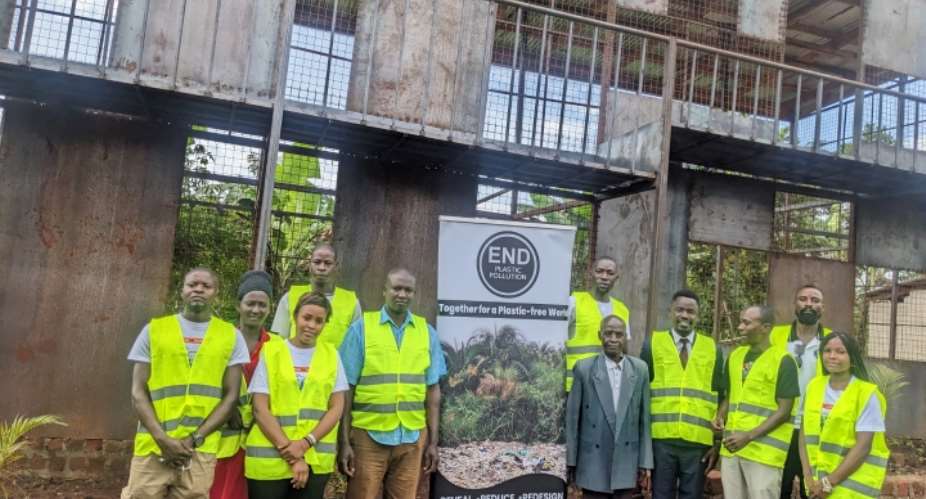
In Uganda, the End Plastic Pollution project in Masulita Town has significantly improved waste management in an area previously overwhelmed by pollution. The initiative increased waste recovery by 30 percent and diverted large volumes of waste from dumpsites, helping to curb methane emissions.
Methane, a potent greenhouse gas, is a major contributor to climate change. The Intergovernmental Panel on Climate Change identifies the waste sector as the third-largest source of methane emissions globally, underscoring the urgency of reform.
In Ethiopia, Eco-Justice Ethiopia is advancing zero waste strategies in Addis Ababa by promoting composting, supporting waste pickers, and influencing national plastic policies. The organisation has also helped shift discussions away from incineration towards more sustainable waste solutions.
Meanwhile, in the Democratic Republic of Congo, Solidarité pour la Protection des Droits de l’Enfant is leading the Bukavu Zero Waste City initiative. The project has reached over 100,000 people, collected hundreds of tons of waste, and converted organic waste into compost and agricultural resources, benefiting local farmers and creating green jobs.
Experts say these community-led efforts are not only reducing emissions but also strengthening local economies and improving public health.
Speaking during the “Zero Waste Stories from Africa” webinar held on March 26, stakeholders highlighted the importance of decentralised waste systems. They stressed that empowering communities, integrating informal waste workers, and investing in composting and recycling can transform waste into valuable resources.
GAIA notes that while zero waste was once seen as an unfamiliar concept in Africa, it is now emerging as a practical and scalable solution to climate change, social inequality, and economic challenges.
The organisation believes that these successful models can serve as a blueprint for cities across the continent, demonstrating that sustainable waste management is not only achievable but essential for a climate-resilient future.
Emmanuel Gameli Dovia
Climate/Environmental Journalist

 Improved economy justifies purchase of new presidential jet – Toobu
 Eight Ghanaian seafarers return home after months in Iranian detention
 No one will be allowed to mess around with a Ghanaian and get away with it – Abl...
 Exim Bank case: Wontumi offers GH¢25m to secure end to prosecution
 Gov't finds $60.68m for presidential jet despite cost-of-living concerns – Abu J...
 Mahama orders performance assessment of all 261 MMDCEs
 Fire kills one, destroys over 100 wooden structures at Circle–Avenor settlement
 Customs orders strict enforcement of permit requirement for right-hand steering ...
 Fitch Solutions projects cedi will weaken to GH¢12.40 against dollar in 2027
 I think Mahama done better than the first term – Archbishop Agyinasare


