





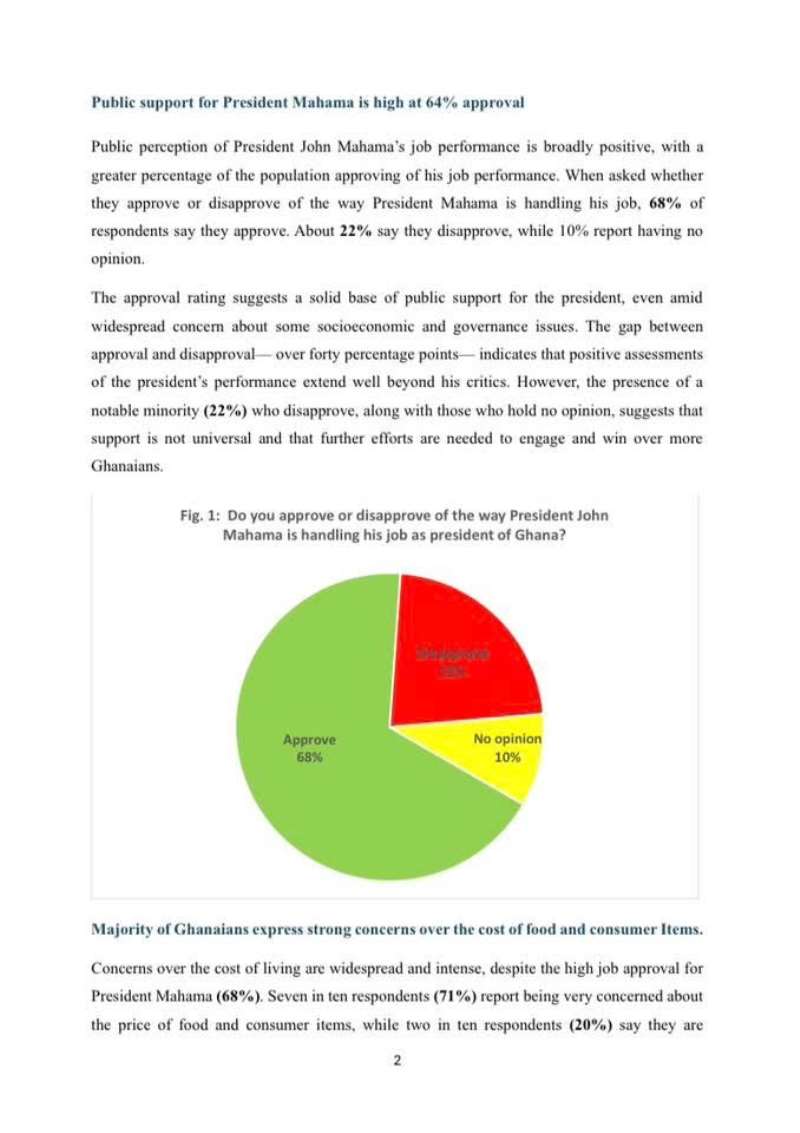
The Institute of Economic Affairs (IEA) has recently made headlines with a report claiming that 68% of Ghanaians approve of President Mahama’s leadership. But let us be honest, how does that approval rating help when food prices are straining families and jobs are scarcer than rain in the harmattan?
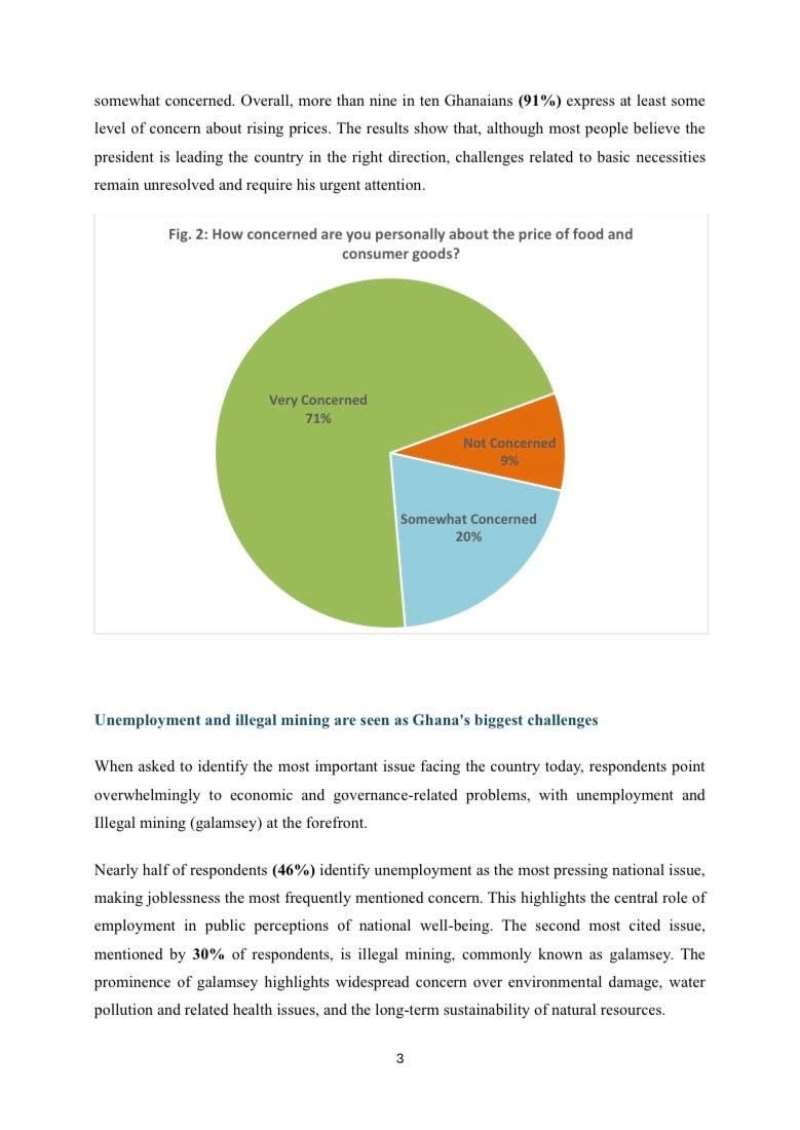
What the IEA conveniently downplays is the real suffering revealed by its own data. Over 91% of Ghanaians say they are concerned about the price of food and consumer goods, and a massive 71% say they are “very concerned.” This is not just economic anxiety; it is desperation. Families are cutting back on meals, skipping essential needs, and constantly adjusting to survive yet another price increase.
To make matters worse, this comes just days after the Finance Minister announced an inflation rate of 3.5%. Frankly, that figure feels disconnected from market reality. Ask any trader in Makola or any mother trying to buy tomatoes and oil in Kasoa. They will tell you prices have not dropped. If anything, they are climbing. A statistic may look good on paper, but it means nothing if it does not match what people feel at the chop bar, in the market, or at the pump.
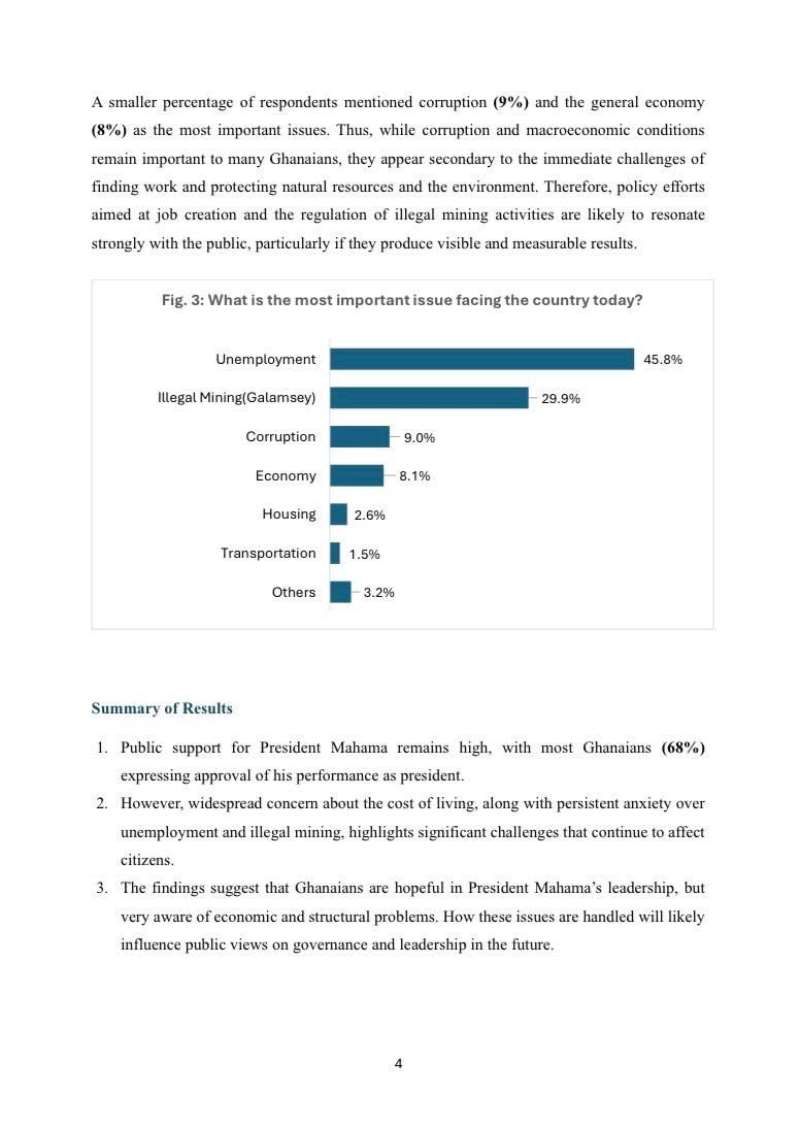
Then there is unemployment: 46% of respondents in the same IEA report cite joblessness as the most pressing issue, followed closely by illegal mining (30%), which is destroying farms, water bodies, and any hope for environmental sustainability. And yet, with all this on the ground, the report focuses on “approval ratings”? That’s not just tone-deaf; it is dangerous. It risks creating a false sense of stability when people need solutions, not applause. Leadership is not about popularity; it is about performance. Until every Ghanaian can afford three square meals, find decent work, and trust that their rivers will not run muddy from galamsey, no approval rating should be cause for celebration.
Ghana needs bold, honest conversations. Not polished reports that celebrate approval while ignoring the pain in people’s pockets.
Isaac Ofori
Tutor, Winneba Senior High School.
Social Activist and Human Rights Advocate
[email protected]


 Nii Lante Vanderpuye confident of winning NDC national chairmanship despite Gold...
 E/R: Motor rider killed, one injured in Asiakwa crash
 Agalga dismisses critics, assures Builsa North of progress on Sandema–Wiaga Road
 NDC Lawra constituency polls: We are not going to disappoint you – Chairman Bati...
 Ghana's President Mahama calls for new West African security accord, stronger AU...
 France and Britain test NATO readiness with major airborne exercise in Germany
 Israel to close all West Bank land crossings on election day
 What to know as Brazilians choose between Lula and Bolsonaro in tense presidenti...
 President Mahama urges African countries to fund own peace operations, warns aga...
 Govt to borrow GHS15.38 billion from domestic market, plans DDEP bond buyback



Comments
Ghana,.. A nation that over 75% of it's younger ages want to live in the capital city, Accra. Even medical doctors do not want to practice outside Accra. They do this because for them whenever they visit their villages outside Accra, they feel like they have achieved progress in life. This is the main reason that goods and services are skyrocketed in their prices. Leave Accra to Nsawam and you'd buy foodstuffs at the affordable prices. Sad nation