





The appointment of the first female Secretary-General of UN Tourism in the organisation’s 50-year history marks a defining moment not only for global tourism governance but also for gender representation in international leadership. Beyond the symbolism, this milestone presents a critical question: could this historic leadership transition become a turning point for Africa’s tourism development?
For Africa, home to some of the world’s richest natural, cultural and heritage assets, yet one of the least optimally positioned tourism regions globally, the answer should be a resounding yes, provided the moment is strategically harnessed.
A Historic Leadership Shift with Global Implications
For five decades, UN Tourism (formerly UNWTO) has shaped global tourism policy, recovery frameworks, technical assistance and destination development without ever being led by a woman. The appointment of a female Secretary-General signals not just progress in gender equity, but also the possibility of new leadership perspectives, priorities and governance approaches.
Globally, women form the backbone of the tourism workforce, especially in developing regions, yet remain underrepresented in leadership and policy-shaping roles. This appointment therefore creates a unique opportunity to recalibrate global tourism priorities toward inclusion, equity, sustainability and human-centred development, areas where Africa stands to gain significantly.
Why Africa Matters to the Global Tourism Agenda
Africa accounts for less than 5% of global international tourist arrivals, despite its vast potential. The continent’s tourism sector remains constrained by infrastructure gaps, limited air connectivity, low investment flows, skills deficits, weak destination branding and vulnerability to global shocks.
Yet tourism in Africa is not just about leisure, it is a development tool:
- A major source of jobs for youth and women
- A driver of foreign exchange earnings
- A catalyst for SME growth and rural development
- A platform for cultural preservation and environmental conservation
A Secretary-General seeking to leave a meaningful legacy cannot ignore Africa, because Africa represents the greatest untapped tourism growth opportunity of the next 20–30 years.
Why Her Focus Must Be on Africa
1. Africa Is the Future Growth Market of Global Tourism
With a fast-growing population, rising middle class, expanding intra-African travel (AfCFTA), and increasing global interest in experiential and sustainable tourism, Africa is positioned to become a major tourism growth frontier. Strategic UN Tourism support could unlock this potential.
2. Gender-Responsive Tourism Development Is Most Needed in Africa
Women dominate Africa’s informal tourism economy - hotels, food services, crafts, guiding, but lack access to finance, leadership roles and policy influence. A female Secretary-General is uniquely positioned to champion gender-responsive tourism frameworks that directly impact African women.
3. Capacity Building and Skills Development Are Critical Gaps
Africa needs strong technical support in:
- Tourism education and vocational training
- Destination management and governance
- Data, research and tourism intelligence
UN Tourism can play a stronger role in institutional strengthening, especially for least developed and emerging destinations.
4. Africa Needs Stronger Global Representation and Advocacy
African tourism voices are often underrepresented in global policy debates. The new Secretary-General has an opportunity to reposition Africa from being seen as a “potential market” to a strategic partner in shaping global tourism norms, sustainability frameworks and recovery strategies.
5. Sustainability and Climate Action Demand an African Lens
Africa is one of the region’s most vulnerable to climate change, yet tourism depends heavily on its natural assets. A renewed UN Tourism agenda that integrates climate resilience, conservation financing, and community-based tourism will naturally place Africa at the centre.
What Africa Should Expect and Demand
African member states of UN Tourism should not be passive observers of this historic appointment. They should actively engage the new Secretary-General with a clear continental agenda, including:
- Increased technical missions and pilot projects in Africa
- Stronger collaboration with African regional bodies
- Support for intra-African tourism and air connectivity
- Dedicated funding windows for African tourism development
- Youth, women and SME-focused programmes
A Moment That Must Not Be Missed
The appointment of the first female Secretary-General of UN Tourism is more than a glass-ceiling moment, it is a strategic inflection point. For Africa, it offers an opportunity to push for fairer representation, deeper investment and more development-oriented tourism policies.
Whether this moment translates into real impact will depend on two things:
the leadership priorities of the Secretary-General and the collective assertiveness of African member states. If both align, Africa could finally move from the margins of global tourism to its centre of gravity. Africa MUST M.O.V.E. (Making Our Voices Echo) now.
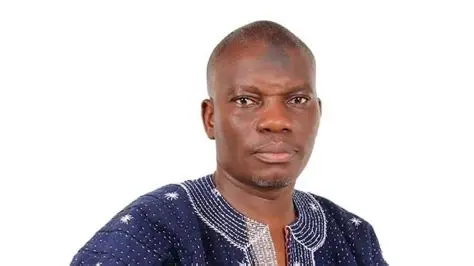
Emmanuel Frimpong is Tourism Consultant, Faculty, Analyst, President of Africa Tourism Research Network and Meaningful Tourism Expert based in Ghana.
Tel. No. +233 261128507
www.linkedin.com/in/emmanuel-frimpong-06285467


 Attorney-General appeals ruling halting trial of former Buffer Stock CEO, wife
 NAIMOS destroys 1,970 changfans, 863 Illegal mining structures in three months —...
 Let's see how Asiedu Nketia becomes NDC flagbearer with same people he conspired...
 Asiedu Nketiah opts out of NDC chairmanship race amid flagbearership speculation
 NDC insists Nkwanta North elections will proceed despite court injunction
 'My side of the story will shock you; I'm waiting for court days' – Obuasi SHTS ...
 Obuasi SHTS sexual abuse: 'GES must distant itself, allow the law to work' — For...
 Upper East: Fear grips nine Kusaug communities over mysterious fish deaths in da...
 NDC suspends Amasaman Communications Officer over 'irresponsible' remarks on Obu...
 Parliament secures religious leaders’ support to end witchcraft accusations


