





The recent detention of Ghana’s former Finance Minister, Ken Ofori-Atta, by U.S. Immigration and Customs Enforcement (ICE) has sparked widespread debate. Held overnight at the Caroline Detention Centre in Virginia, his case is not criminal but tied to immigration status irregularities. This development raises questions about legal outcomes, diplomatic relations, and the broader implications for Ghana’s political landscape.
The Facts of the Case
- Date of Detention: January 5–6, 2026
- Facility: Caroline Detention Centre, Virginia
- Reason: Immigration/visa status irregularities, not criminal charges
- Legal Status: Pending petition for adjustment of status (a process to regularize stay in the U.S.)
His lawyers emphasize that this is an administrative matter, not a criminal prosecution.
Inside the Caroline Detention Centre
- Located in Caroline County, Virginia, about 4 miles north of Fort A.P. Hill.
- Repurposed from a regional jail closed in 2017 into an ICE facility.
- Capacity: 336 detainees, currently housing ~120.
- Conditions: Dormitory-style housing, communal areas, strict security.
Photos released show a stark, prison-like environment — a reminder of the harsh realities of immigration enforcement.
Possible Legal Pathways Ahead
1. Release After Adjustment of Status
If his petition succeeds, Ofori-Atta could be released and allowed to remain legally in the U.S.
2. Bond Hearing and Temporary Freedom
Immigration judges may grant bond, allowing him to leave detention while his case proceeds.
3. Deportation to Ghana
If his petition fails, ICE could initiate deportation, returning him to Ghana. This would carry reputational and political consequences.
4. Diplomatic Intervention
Given his former ministerial role, Ghana’s government could intervene diplomatically. While such efforts may not override U.S. immigration law, they could influence how quickly or sympathetically his case is handled.
5. Prolonged Legal Battle
Immigration cases often stretch for months or even years. Ofori-Atta could remain entangled in hearings, appeals, and petitions — a drawn-out process that keeps his future uncertain and under public scrutiny.
Diplomatic and Political Implications
- Diplomatic: Ghana-U.S. relations may be tested if the case escalates.
- Political: As a former Finance Minister, his detention could fuel debates about leadership, accountability, and personal responsibility abroad.
- Public Perception: Ghanaians may view this as symbolic of broader governance challenges.
Likely Outcomes in Context
The case illustrates the intersection of immigration law, diplomacy, and public accountability. For Ghanaian readers, it is a reminder that even high-profile figures are subject to immigration enforcement abroad. For students of governance, it highlights how personal legal matters can ripple into national discourse.
Ken Ofori-Atta’s ICE detention is not the end of his story, but the beginning of a legal process that could reshape his personal trajectory and influence Ghana’s political narrative. Whether through release, bond, deportation, or prolonged litigation, the outcome will resonate far beyond the walls of Caroline Detention Centre.
Can Ghana Request Ken Ofori-Atta’s Deportation?
Legal Options for Ghana
While Ken Ofori-Atta’s detention in the U.S. is primarily an immigration matter, Ghana’s Attorney-General and Minister of Justice could attempt to intercede. The pathways available are:
- Extradition Request: Ghana may formally petition the U.S. government to surrender Ofori-Atta if there are pending criminal charges. This requires credible evidence and adherence to Ghana-U.S. treaty obligations.
- Diplomatic Petition for Deportation: Ghana could request expedited deportation by presenting him as a fugitive from justice. However, deportation is ultimately a U.S. immigration decision, not Ghana’s directive.
- Evidence Requirement: The U.S. would demand clear documentation of charges or investigations in Ghana. Political allegations alone would not suffice.
Diplomatic and Political Dimensions
- Diplomatic Sensitivity: Such a request could strain Ghana-U.S. relations if perceived as politically motivated.
- Public Perception: Some Ghanaians may welcome deportation as accountability, while others may see it as persecution.
- U.S. Considerations: The U.S. typically weighs human rights, fairness of trial, and political context before granting extradition or deportation.
Likely Scenarios if Ghana Intercedes
- Extradition Proceedings — U.S. courts review Ghana’s request if strong evidence is provided.
- Deportation on Immigration Grounds — ICE may expedite removal if Ghana’s request aligns with visa violations.
- Rejection of Request — The U.S. could decline if charges appear politically motivated or lack legal weight.
- Prolonged Legal Battle — Ofori-Atta could contest extradition or deportation in U.S. courts, delaying resolution.
Ghana’s legal team can indeed request Ken Ofori-Atta’s deportation or extradition, but success depends on the strength of evidence and U.S. willingness to cooperate. The case underscores how criminal justice, immigration law, and diplomacy intersect, reminding readers that international law is as much about politics as statutes.
Retired Senior Citizen
Teshie-Nungua
[email protected]


 Mysterious illness leaves children struggling to walk, hear in Mafi Kope
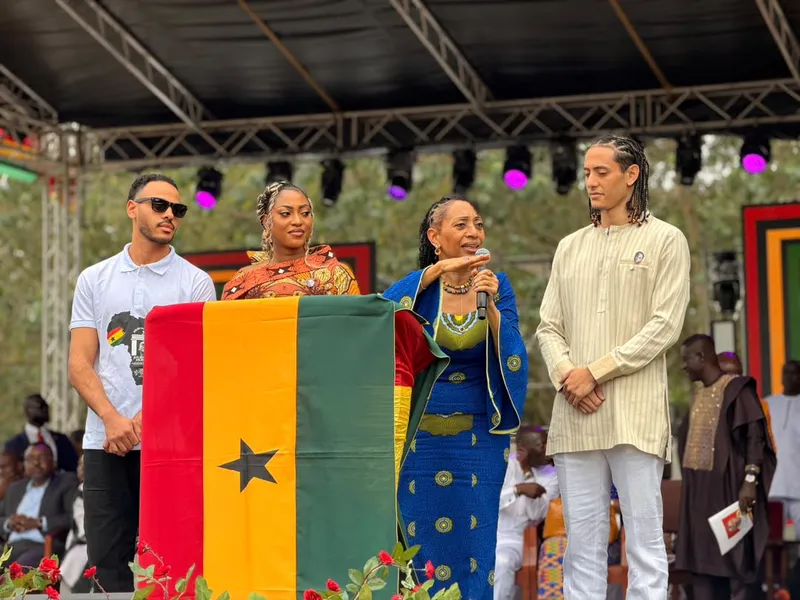 ‘We’ve come back to make sure our father's ideas never die’ – Nkrumah family
 Ghana Jollof: Akosua Manu appeals to Naana Jane to use her influence to free Sal...
 Yellow fever confirmed in Sissala East after 21 mysterious deaths
 Kenyasi man allegedly attacked by prison officers and inmates over yam theft cla...
 Germany’s far-right AfD makes strong gains in two state elections
 Savannah Regional Minister, IGP Yohuno visit Gbindabuor following lynching of po...
 Jehovah's Witnesses make blood component decisions a matter of personal conscien...
 Road contractors fed on contracts for years without completing projects – Alhass...
 Ghana Jollof saga: ‘She has no right to do what she’s doing’ – Inusah Fuseini



Comments
If the USA claims to against political criminals like they just went into another nation to arrest their leaders for corruption, why would they harbour a former finance minister accused of corruption from another nation? He should be sent to Ghana now.