




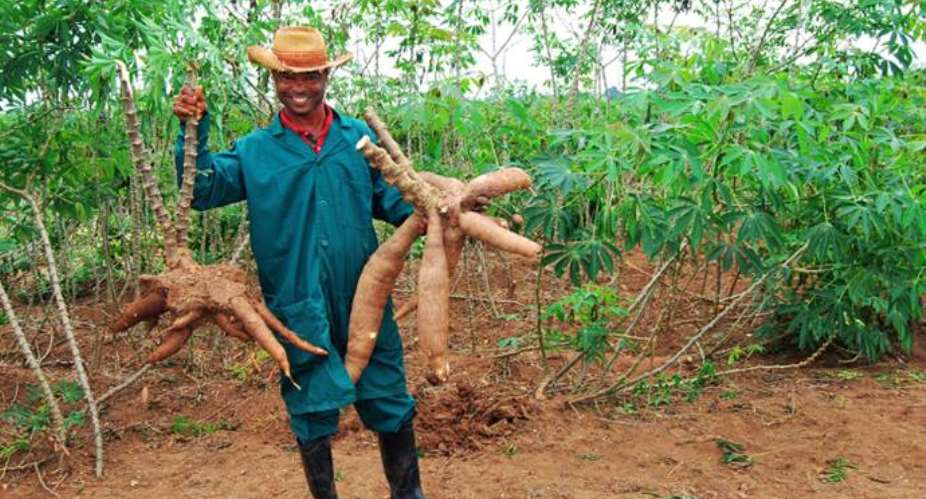
Introduction
Rural poverty remains one of Ghana’s most stubborn development challenges, especially in communities where agriculture is both the backbone of livelihoods and the greatest determinant of economic mobility. For decades, smallholder farmers who produce nearly 70% of Ghana’s food have operated with limited financing, outdated tools, and inconsistent market access. But the rise of smart agricultural finance is rapidly rewriting this narrative. With digital loan systems, mobile banking, data-driven lending, and climate-responsive insurance products, Ghana is beginning to witness a transformation that could permanently shift the economic landscape of rural communities.
Smart agricultural finance is more than just giving farmers money. It is an integrated system of digital tools, flexible loan structures, risk-management innovations, and financial literacy programs tailored specifically for the realities of smallholder agriculture. When implemented at scale, this model has the power to drastically reduce poverty levels by increasing productivity, stabilizing incomes, and enabling farmers to expand from subsistence to commercial production.
In Ghana where rural poverty rates are nearly triple that of urban areas this approach may be the missing link. As modern finance meets traditional farming, the potential impact is profound: higher yields, stronger rural enterprises, better resilience against climate shocks, and a new generation of empowered agro-entrepreneurs. This article explores how smart agricultural finance is reshaping lives in rural Ghana and why the country must accelerate adoption for sustainable national growth.
The Current Reality of Rural Poverty in Ghana
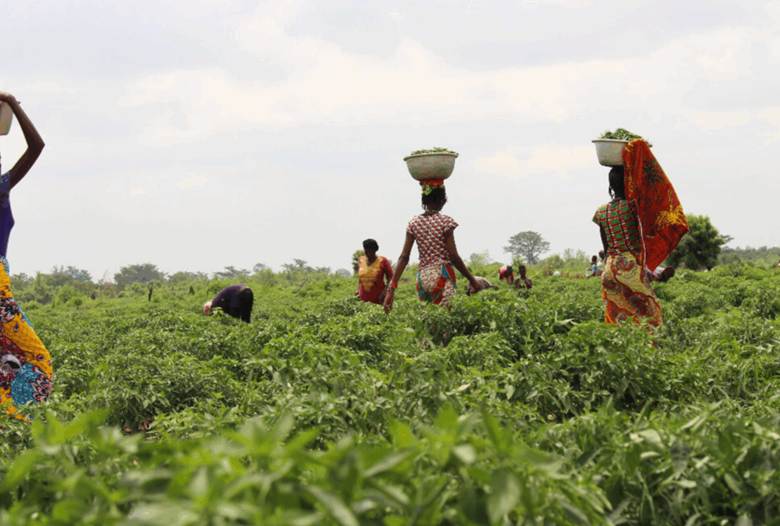
To understand the urgency of agricultural financial reform, one must first examine the persistent realities facing rural communities. According to national poverty assessments over the past decade, poverty remains disproportionately concentrated in the northern regions, where many households depend entirely on small-scale farming. Low productivity, unpredictable rainfall, limited irrigation, and poor market connections all contribute to financial instability. Without access to formal credit, farmers cannot invest in improved seeds, fertilizer, machinery, or post-harvest technology. This leaves them trapped in a cycle where low yields mean low incomes, and low incomes perpetuate the inability to invest.
Traditional financial institutions have also historically considered smallholder farmers “high-risk borrowers,” often due to inconsistent income patterns, lack of collateral, and climate vulnerability. As a result, most farmers rely on informal lenders who charge excessively high interest rates, worsening their financial burdens. In many cases, rural farmers also lack access to insurance products, which means a single flood, drought, or pest infestation can destroy their livelihoods entirely.
Smart agricultural finance seeks to dismantle these systemic barriers through innovation and targeted financial inclusion.
What Exactly Is Smart Agricultural Finance?

Smart agricultural finance refers to financial solutions specifically designed for the agricultural sector, powered by technology, data analytics, and flexible lending models. It includes:
- Digital microloans accessible via mobile phones
- Pay-as-you-harvest repayment systems
- Input financing provided directly through agro-dealers
- Weather-indexed crop insurance
- Blockchain-based farmer records and market-access tools
- Financial literacy programs tailored to farmers
Unlike traditional finance, smart agricultural finance understands the “seasonality” of farming. It avoids unrealistic repayment timelines and instead aligns financial products with planting and harvest cycles. It also uses data satellite imagery, soil analysis, yield forecasts to assess risk, making it possible to lend responsibly without collateral.
This system is not theory. It is already working in parts of Ghana.
How Smart Finance Is Transforming Rural Farming Systems

Across Ghana, smallholder farmers who have participated in digitally-enabled financing schemes are beginning to break free from poverty. Smart financing unlocks three major outcomes: productivity, stability, and scalability.
1. Increased Productivity Through Access to Quality Inputs
Smart agricultural finance dramatically enhances productivity by addressing one of the biggest barriers rural farmers face: the inability to purchase high-quality inputs at the beginning of the farming season. Many smallholder farmers rely on low-grade seeds, insufficient fertilizer, and manual labor because they lack the cash resources required to invest in better options. Through input-credit schemes, digitally verified agro-dealer networks, and flexible repayment structures tied to harvest cycles, smart finance ensures farmers receive superior seeds, fertilizers, and agrochemicals exactly when they need them. Improved seeds often provide faster maturity, increased disease resistance, and significantly higher yields per acre. Fertilizer-financing ensures that crops receive balanced nutrients at critical growth stages, while access to mechanization, such as tractors, planters, threshers, and irrigation pumps, enables farmers to cultivate larger plots and minimize labor delays. Timely access to irrigation tools allows farmers to plant even in dry periods, mitigating the impact of unpredictable rainfall. By aligning financing with the realities of agricultural cycles, smart finance eliminates late planting, boosts germination rates, enhances plant vigor, and increases overall output by up to 45% in some cases. The outcome is more food for household consumption, more surplus for markets, and a powerful path out of poverty for rural farming families.
2. Income Stability Through Climate-Smart Insurance
Climate-smart insurance is one of the most transformative elements of smart agricultural finance because it directly reduces the vulnerability of farmers to climate shocks. Smallholder farmers typically operate with thin margins and limited savings, meaning a single drought, flood, or erratic rainfall event can completely wipe out their livelihood. Smart insurance uses weather-indexed data and satellite monitoring to trigger automatic payouts when rainfall or temperature deviates from normal conditions, ensuring that farmers receive compensation quickly without lengthy claim processes or field assessments. This system reduces uncertainty and removes the fear that investing in improved seeds or fertilizer could lead to catastrophic loss if the weather fails. With insurance in place, farmers confidently adopt new technologies, take calculated risks, and increase their production capacity, knowing they will not be left helpless after climate disasters. Insurance payouts delivered via mobile money also protect farmers’ credit history by enabling them to repay input loans even after crop losses, strengthening their ability to borrow again the next season. Over time, climate-smart insurance stabilizes rural income patterns, prevents farmers from falling into debt traps, enhances household consumption, and improves long-term resilience in communities that are increasingly affected by climate change.
3. Expansion of Farmland and Agribusiness Activities
Smart agricultural finance plays a pivotal role in helping farmers transition from subsistence farming to commercial agriculture and diversified agribusiness operations. Once farmers begin achieving higher yields and more stable income, they can use credit facilities to lease or purchase additional land, hire additional labor, and expand the scale of their production. Access to reliable financing also empowers farmers to invest in post-harvest infrastructure such as storage silos, improved drying systems, hermetic bags, milling equipment, and transport facilities reducing post-harvest losses that can account for up to 40% of total production in rural communities. With increased capacity and stronger financial discipline, farmers are also able to venture into higher-value agribusiness sectors such as poultry, aquaculture, vegetable greenhousing, cassava processing, shea butter production, or grain milling. These new enterprises generate additional income streams, reduce dependence on single crops, and create employment opportunities for rural youth and women. As more farmers expand their operations, the rural economy becomes more dynamic, with new local markets emerging around input supply, processing, transportation, and retail. Smart agricultural finance therefore drives structural transformation by enabling farmers to scale operations, enter profitable value chains, and stimulate diversified rural economic growth.
4. Digital Tools: The Game-Changer Behind Smart Finance
Digital technology is the engine that makes smart agricultural finance fast, affordable, and accessible to farmers in even the most remote communities. Mobile money platforms allow instant loan disbursement, safe cashless transactions, and convenient repayment, eliminating the need for costly travel to distant bank branches. USSD codes work on basic feature phones, enabling farmers to apply for loans, purchase inputs, receive agronomic advice, and track their credit history without needing internet access. Mobile apps provide richer features for farmers with smartphones, including digital extension training, weather alerts, input recommendations, and real-time market prices. Lenders use digital credit scoring systems that analyze mobile money history, farm data, input purchases, and yield records, allowing them to issue loans without requiring land titles or physical collateral. Satellite imagery and GPS mapping provide accurate information on farm size, crop type, and crop health, enabling lenders to monitor farms remotely and reducing the cost and risk of agricultural lending. Digital tools create transparency, reduce fraud, increase efficiency, and ensure that financing and inputs reach the right farmers at the right time. By bridging the gap between farmers and financial institutions, digital innovation brings rural farmers into the formal economy and positions agriculture as a modern, technology-driven sector.
5. How Smart Finance Supports Women Farmers
Smart agricultural finance has a particularly profound impact on women farmers, who play a central role in Ghana’s agricultural production but remain disproportionately excluded from formal finance due to cultural norms, limited land ownership, and lower levels of financial literacy. Traditional banks require collateral such as land or buildings, which most women do not legally control. Smart finance eliminates this barrier through digital credit scoring that assesses repayment potential based on mobile money transactions, farming records, and cooperative membership rather than physical assets. Mobile-based financial services accessible privately via phone give women greater autonomy and confidentiality when managing their finances. Digital payments reduce the risk of money being taken or misused within households, empowering women to reinvest in their farms. Many smart finance programs integrate financial literacy, agribusiness training, and digital skills development, enabling women to manage budgets, track expenses, adopt improved farming methods, and confidently grow their agribusinesses. As women gain financial independence, they invest more in household nutrition, children’s education, family healthcare, and community well-being. Empowering women through smart finance therefore strengthens families, enhances local food security, and promotes gender equality in rural economic development.
6. Broader Impact on Rural Economies
The transformative effects of smart agricultural finance extend well beyond individual farmers and contribute to the structural growth of entire rural economies. Increased productivity and stable incomes stimulate local markets, as farmers spend more on goods, services, transportation, education, housing, and healthcare. This circulation of money supports non-farming businesses such as shops, clinics, schools, repair services, and transport operators, creating a multiplier effect across the community. Higher profitability in agriculture also attracts rural youth back into farming and agribusiness, reversing rural-urban migration patterns and reducing pressure on cities. As farmers expand operations and enter value-added enterprises, new job opportunities emerge across the supply chain from input dealers and aggregators to processors, traders, and logistics providers. Improved access to credit and digital tools strengthens farmer cooperatives, enhances market linkages, and encourages investment in rural infrastructure. Over time, rural communities become more resilient to economic and climate shocks, food availability increases, and household poverty levels decline. In this way, smart agricultural finance becomes a powerful driver of rural transformation, fostering inclusive growth and strengthening national food systems.
Digital Tools: The Game-Changer Behind Smart Finance
Digitalization is the backbone of smart agricultural finance. In rural Ghana, mobile penetration has soared, creating a direct link between farmers and financial institutions. Apps and USSD systems allow farmers to:
- Apply for loans
- Receive funds instantly
- Track input deliveries
- Access training modules
- Get real-time market prices
Mobile money services like MTN MoMo and Vodafone Cash have already made cashless transactions mainstream, reducing theft risks and increasing financial transparency. Emerging digital platforms are now integrating credit scoring based on farmers’ transaction history, input use, and harvest records. This allows lenders to build trust without collateral.
The result is democratization of credit even farmers in remote communities can participate fully in the national financial system.
How Smart Finance Supports Women Farmers
Women represent more than 50% of Ghana’s agricultural labor force, yet they consistently face limited access to land, capital, and training. Smart agricultural finance provides a pathway to overcome these gender gaps.
Digital loans reduce the need for collateral a major advantage for women, who often do not own land. Additionally, mobile-based products offer privacy and independence, enabling women to access credit without social constraints. Financial literacy initiatives also equip women with skills in money management, budgeting, and agro-entrepreneurship.
Empowering women farmers is not just a social good; it directly boosts food production and raises household incomes, accelerating poverty reduction.
The Broader Impact on Rural Economies
Smart agricultural finance does not only benefit individual farmers it strengthens entire rural economies. When farmers have higher incomes, they spend more on healthcare, education, housing, and local businesses. This stimulates rural commerce and reduces urban migration.
Youth participation in agriculture also increases when financing becomes accessible, digital, and profitable. Many young people leave rural areas due to lack of opportunities, but smart finance opens pathways into modern agribusiness, from mechanized farming to food processing and transport services.
As rural entrepreneurship grows, communities become economically vibrant and self-sustaining.
Barriers Still Holding Ghana Back
Despite progress, Ghana still faces several challenges in scaling smart agricultural finance:
- Inadequate rural internet connectivity
- Limited digital literacy among older farmers
- High interest rates in some microfinance institutions
- Poor rural road networks affecting input delivery
- Weak data systems to track farm performance
Addressing these issues requires coordinated efforts between government, private institutions, telecom companies, and agritech innovators.
Policy Actions Needed to Accelerate Impact
For smart agricultural finance to fully eradicate rural poverty, Ghana must adopt targeted policies:
- Expand rural digital infrastructure to support mobile banking and agritech apps.
- Subsidize interest rates for agricultural loans to make credit affordable.
- Strengthen extension services so farmers understand and adopt digital tools.
- Encourage private agritech innovation through grants and favorable regulations.
- Promote financial literacy programs in rural communities.
- Develop national farmer databases to improve digital credit scoring.
Government support is essential to create an ecosystem where smart finance can thrive sustainably.
Conclusion
Smart agricultural finance is more than an economic strategy it is a lifeline for rural Ghana. By blending technology, inclusive lending, climate insurance, and farmer-centered design, it provides the strongest path yet toward ending rural poverty. When farmers have the financial tools they need, they produce more, earn more, and live better. Their children gain access to education; communities gain access to opportunity; and the nation gains a stronger food system.
The evidence is clear: smart agricultural finance has the power to transform Ghana from the village level upward. The next step is scaling it intentionally and ensuring every rural farmer no matter where they live can benefit from the future of agricultural finance.
References
- Agyapong, D., & Osei-Assibey, E. (2020). Digital financial services and financial inclusion in rural Ghana. Journal of Rural Studies, 76, 45–56.
- Aryeetey, E., & Baah-Boateng, W. (2019). Understanding Ghana’s rural poverty dynamics. Institute of Statistical, Social and Economic Research (ISSER).
- Bank of Ghana. (2021). Financial inclusion and mobile money usage report. Accra: Bank of Ghana.
- CGAP. (2019). Digital finance for smallholder farmers in Ghana: Emerging opportunities. Consultative Group to Assist the Poor.
- Food and Agriculture Organization (FAO). (2020). Agricultural finance and food security in Sub-Saharan Africa. Rome: FAO.
- Ghana Incentive-Based Risk-Sharing System for Agricultural Lending (GIRSAL). (2021). Annual agricultural financing performance report. Accra: GIRSAL.
- Ghana Statistical Service. (2022). Ghana living standards survey (GLSS 8). Accra: GSS.
- International Fund for Agricultural Development (IFAD). (2021). Rural poverty assessment: West Africa regional report. Rome: IFAD.
- Ministry of Food and Agriculture (MoFA). (2020). Modernizing agriculture in Ghana: Policy framework and update. Accra: MoFA.
- Nyantakyi-Frimpong, H., & Bezner Kerr, R. (2018). Smallholder farmers and financial constraints in northern Ghana. World Development, 112, 124–136.
- United Nations Development Programme. (2022). Ghana human development report: Closing the rural poverty gap. UNDP Ghana.
- World Bank. (2020). Ghana: Agriculture sector analysis and opportunities. Washington, DC: The World Bank.
- World Bank. (2022). Poverty and equity brief: Ghana. Washington, DC: The World Bank.
- Yeboah, F. K., & Jayne, T. S. (2018). Youth access to land, credit and jobs in African agriculture. Agricultural Economics, 49(3), 364–378.


 'Go after financiers, not just couriers' – Catholic Bishops to NACOC after Franc...
 Man beaten to death after alleged machete attack on elderly woman at Tamso
 Two arrested over kidnapping, murder of Senegalese goalkeeper in Ghana
 Ministers should answer legitimate questions regarding promises, public expendit...
 Mahama has done well for stabilising the economy but the real litmus test is sus...
 Chief Justice Paul Baffoe-Bonnie chairs 11-member Council for Legal Education an...
 Man reportedly commits suicide over inability to raise money for son's SHS prosp...
 Wontumi’s GH¢30m Exim Bank case adjourned to October 13
 Euro Spa CEO, three others remanded over €225m cocaine shipment bust in France
 Fresh South Africa drug arrest puts Ghana’s border controls under scrutiny


