




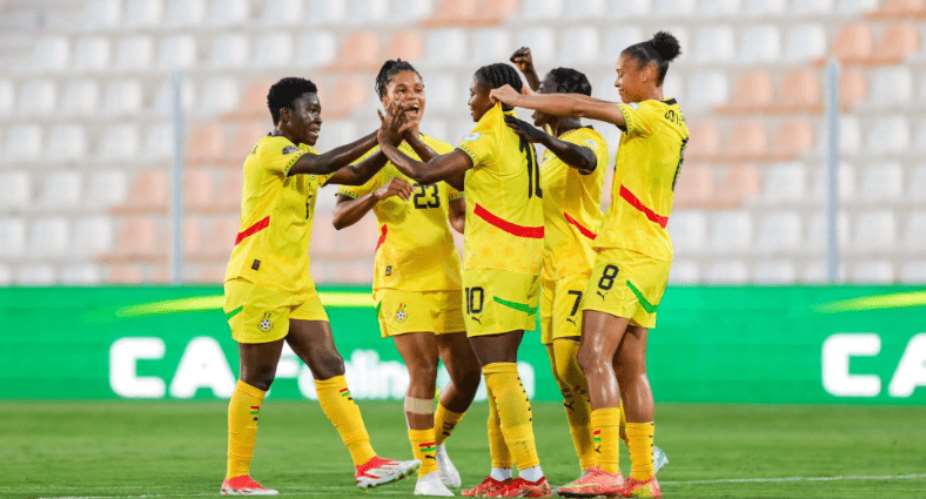
On a Saturday afternoon in Sekondi-Takoradi, the Hasaacas Ladies FC training ground buzzes with energy. Young players sprint across the dusty pitch, wearing mismatched kits, fueled less by resources than by raw determination. This scene captures both the promise and the problem of women’s football in Ghana: immense talent, yet underinvestment.
Globally, the women’s game is booming. FIFA reported that the 2023 Women’s World Cup attracted 1.9 billion viewers — nearly double the 2019 tournament. Broadcasting rights for the event exceeded $200 million, according to Forbes. Europe’s top clubs now operate women’s divisions that rival their men’s teams in visibility and sponsorship appeal. Yet Ghana, a country that exports some of the world’s most celebrated footballers, lags behind in harnessing women’s football as both a cultural asset and an economic engine.
A Global Wave Ghana Risks Missing
In Europe, women’s football has shifted from novelty to mainstream. The English Women’s Super League secured a £7 million-a-year broadcasting deal with Sky Sports and the BBC in 2021. In Spain, FC Barcelona Femení drew over 90,000 fans to Camp Nou for a UEFA Women’s Champions League semifinal in 2022 — a record attendance for women’s football.
Closer to home, Nigeria’s Asisat Oshoala, playing for Barcelona, has become an African icon and a global brand ambassador. She earns endorsements with Nike and MTN, proving that African female players can compete at the highest level commercially, not just athletically.
If Ghana positions itself correctly, its women’s league and national team could tap into this wave. The Black Queens, once African champions, remain a sleeping giant. Without investment, however, the country risks watching its neighbors and rivals seize the opportunity.
Domestic Realities: Struggles of the Women’s League
The Ghana Women’s Premier League, established in 2012, was envisioned as a pipeline for talent. While it has produced stars like Evelyn Badu, who won CAF’s Interclub Player of the Year in 2022, it still battles financial fragility.
According to a 2024 CAF women’s football development review, less than 5% of African football sponsorship dollars reach women’s teams. In Ghana, many clubs rely on volunteers, community donations, and modest government support. Players often juggle part-time jobs or schooling to sustain their careers.
Take Hasaacas Ladies. Despite their heroics in the maiden CAF Women’s Champions League — where they finished as runners-up in 2021 — the club still struggles with basics such as transportation, nutrition, and medical support. The lack of a consistent corporate sponsor reflects the broader neglect of women’s sports in Ghana.
The situation creates a paradox: Ghanaian players shine abroad, but the domestic system that nurtures them remains underfunded.
The Business Case for Investment
Investing in women’s football is not an act of charity; it is smart economics. FIFA projects that the global women’s football market could generate $1 billion annually by 2030. Corporate brands are increasingly eager to align with inclusive sports initiatives.
Ghana already has proof of concept. When Hasaacas Ladies reached the CAF final, social media buzz around their games attracted international attention. A partnership with a beverage company or a telco could have amplified both the brand and the team. Yet no major sponsor seized the moment.
The Ghana Football Association (GFA) has taken steps, introducing the Women’s FA Cup and partnering with NASCO for player-of-the-match awards. But these remain symbolic gestures compared to the scale of opportunity. Sponsorship in women’s football should not be framed as CSR — it should be approached as a growth market with measurable returns.
Cultural Power: More Than Just Sports
The appeal of women’s football goes beyond economics. Sports shape national identity, inspire youth, and promote gender equity. Ghana has long celebrated its male football icons — from Abedi Pele to Asamoah Gyan — but the absence of equally celebrated female figures has left a cultural gap.
Imagine a generation of young Ghanaian girls growing up with Black Queens stars as role models, visible on billboards, jerseys, and TV screens. The cultural impact could ripple into education, entrepreneurship, and even politics, as women see their ambitions validated through sports.
Countries like the U.S. have already experienced this. The U.S. Women’s National Team has not only dominated football but also influenced debates on equal pay, gender rights, and youth participation in sports. Ghana has the potential to replicate that impact in Africa.
Infrastructure and Policy Gaps
For Ghana to capitalize, systemic changes are needed. First, infrastructure. Many women’s league matches are played on substandard pitches with little media coverage. Without visibility, sponsors shy away. Broadcasting deals — even with local TV or streaming platforms — could transform the league’s profile.
Second, policy. The GFA must adopt clear roadmaps with benchmarks for women’s football development. CAF’s licensing requirements for clubs should be strictly enforced to ensure professionalism. Partnerships with schools and universities could provide dual pathways for female players to pursue education while competing at elite levels.
Third, grassroots investment. Programs targeting girls aged 10–15 are crucial. FIFA’s “Women’s Development Programmes” provide funding opportunities that Ghana could better utilize. The Ghana Education Service and Ministry of Youth and Sports should integrate football more deliberately into physical education for girls.
The Diaspora Factor
Ghana also has a diaspora advantage. In recent years, several players of Ghanaian descent have emerged abroad. For example, Princess Marfo, who plays in Germany, and Freda Ayisi, who has featured in the English leagues, represent untapped talent pipelines.
Engaging diaspora players can elevate the Black Queens’ competitiveness while creating global marketability. Just as the Black Stars have leaned on diaspora talent, the women’s team could benefit from dual-nationality recruits who bring both skill and visibility.
The Future at Stake
The question is not whether women’s football in Ghana has potential — the evidence is overwhelming. The real question is whether stakeholders will act. Clubs, sponsors, government, and media must align to build a sustainable ecosystem.
If the league continues to languish, Ghana risks losing its best players to foreign clubs without reaping the benefits at home. If, however, the country seizes the moment, women’s football could become Ghana’s next great global export — joining cocoa, gold, and Afrobeats on the international stage.
Conclusion From Accra Sports News
The world is not waiting. From Lagos to London, women’s football is rewriting the rules of the game. Ghana stands at a critical juncture: invest now, or be left behind.
The dusty pitches of Sekondi-Takoradi, where Hasaacas Ladies train, may not yet resemble the glittering stadiums of Europe. But within those pitches lies Ghana’s untapped goldmine — a chance to turn passion into prosperity, and talent into a global export that reshapes both sports and society.
Samuel Kwame Boadu is the Founder and Editor-in-Chief of Accra Street Journal, SKB Journal, and Accra Sports News, all under Samboad Publishing, a subsidiary of Samboad Business Group Ltd.

 Government to introduce ID verification for access to porn sites — Sam George
 African governments failing on commitments to increase agriculture funding — Eri...
 45-year-old ex-convict arrested over alleged rape and murder of wife's 17-year-o...
 We’re working to provide shelter for police officers displaced after barracks fi...
 No arrests made over Accra Central Police Barracks fire yet — Police
 Mahama told UK Prime Minister anti-LGBTQ+ bill is far from becoming law — Minori...
 Leaked judgment? NDC activists confirms jail term for Wontumi on social media
 Minority demands passage of original 2024 anti-LGBTQ+ bill, accuses NDC of decep...
 "Flagrant disrespect" — Court remands Abronye over failure to surrender passport...
 High Court remands Abronye over failure to surrender passport


