




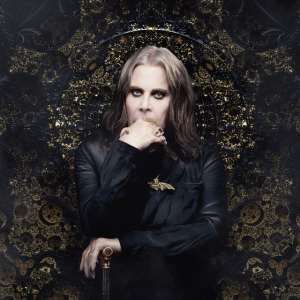
Ozzy Osbourne, the English rock icon known as the “Prince of Darkness,” died Tuesday at the age of 76, leaving behind a legacy that transcends music and dives into cultural rebellion, political satire, and personal resilience. Best known as the frontman of Black Sabbath and later for his wildly popular solo career, Osbourne’s influence on rock and heavy metal remains unmatched. But beyond the stage and the dark eyeliner, Osbourne also carved a complicated and colorful niche in American popular culture and politics.
Though British-born, Ozzy found a second home in the United States, both geographically and symbolically. His relationship with the U.S. was filled with awe, confusion, protest, and satire. He didn’t just sing to American audiences—he spoke to them, often critiquing the very systems that made him a celebrity.
One of Osbourne’s most memorable moments came in 2002 during his appearance at the White House Correspondents’ Association (WHCA) dinner. It was the height of his fame resurgence, thanks in part to The Osbournes, his family's hit reality TV show. That night, then-President George W. Bush gave a speech to Washington elites and quipped: “Ozzy Osbourne,” pronouncing the name like “Os-burn.” Osbourne, never one to miss a theatrical moment, stood on a table and raised his arms in the air to a roaring ovation. “Ozzy, mom loves your stuff,” Bush added, referring to former First Lady Barbara Bush. Sharon Osbourne later joked to the New York Daily News that Ozzy told Bush to grow his hair long, to which the president responded, “Maybe in the second term.”
Politicians and public figures across the spectrum responded with genuine tributes upon news of Osbourne’s passing. Rep. Victoria Spartz (R-Ind.) honored him as a “true pioneer of heavy metal and an enduring symbol of the rebellious, freedom-loving spirit that resonates across our nation and throughout the world.” The Libertarian Party of New York also chimed in with a video tribute of Osbourne performing the anti-war anthem “War Pigs,” a protest song released in 1970 with hauntingly timeless lyrics:
“Politicians hide themselves away
They only started the war
Why should they go out to fight?
They leave that role to the poor…”
Indeed, Osbourne’s anti-war stance was unwavering. In 2004, when the Republican Party used his hit “Crazy Train” at a campaign rally without permission, he publicly criticized the U.S. invasion of Iraq and demanded they stop using his music. “Ozzy’s music cannot be used for any means without approvals,” his team firmly stated. They even suggested alternative artists for the GOP to consider: “Maybe Kanye West (‘Gold Digger’), Kid Rock (‘I Am the Bullgod’), or Ted Nugent (‘Stranglehold’).”
In more recent years, Osbourne’s concerns broadened to global issues, warning in a 2023 episode of The Osbournespodcast that another world war could be looming. “If there’s a war again—which it looks like very possibly could—China’s already ready for it,” he said, pointing to their system of mandatory military service. “You got a choice: You gotta go to jail or military,” he added with a grim tone.
Even across the pond, Osbourne’s blunt honesty spared no one. He harshly criticized the Brexit movement in the UK, calling it a “f—ing joke” in a 2018 interview with The Big Issue. “You watch TV, and it’s all this shouting and screaming about Brexit, but nobody’s got a f—ing clue what it really means,” he said. He stood firmly against the far-right rhetoric surrounding the UK’s departure from the European Union, echoing many of his American fans’ frustrations with rising political polarization.
Behind the iconic man was his equally well-known wife and manager, Sharon Osbourne. A formidable force in her own right, Sharon played a pivotal role in shaping Ozzy’s career—reviving his solo trajectory, navigating industry deals, and helping launch The Osbournes, one of MTV’s first reality mega-hits. Yet Sharon’s legacy is not without controversy. Over the years, she has been criticized for remarks on race and politics, including her dramatic exit from The Talk in 2021 following a heated exchange about race and her defense of Piers Morgan. Some viewed her as fiercely loyal, while others accused her of lacking cultural sensitivity. Regardless, her love for Ozzy was undeniable, and she was instrumental in helping him battle addiction, health scares, and career burnout over decades. Their unconventional love story—filled with arguments, reconciliations, and resilience—was uniquely Hollywood yet painfully human.
Despite controversies, the Osbournes became cultural fixtures, embodying a blend of absurdity and authenticity that few families could replicate. Ozzy’s slurred speech and mumbling delivery, often the subject of late-night jokes, concealed a deeply intelligent artist whose music spoke powerfully to themes of war, religion, power, and pain. His songs weren’t just heavy—they were heavy with meaning.
As we reflect on his legacy, one thing is clear: Ozzy Osbourne wasn’t just a rockstar. He was a movement. A man who survived poverty, fame, addiction, and the ever-turning wheel of the music industry. He gave us a new language for rebellion, dressed in leather and eyeliner, with a crucifix around his neck and a bat in his mouth.
In a world too often sanitized and scripted, Ozzy reminded us that imperfection is power. That rawness, vulnerability, and honesty can be louder than any amp turned to eleven.
And that, perhaps, is the legacy that will outlive even the most legendary of riffs.

 Trump targets tax-free diesel as Republicans approach midterms
 Govt releases GH¢9.1 billion covering six quarters of DACF to MMDAs - Ayariga
 Manhyia South MP charged over alleged GH¢9.85m loss to SIC Life
 'I didn’t know the process would be that fast' – Nana B explains missing NPP swe...
 'Who is Karbo to defy my orders?' – Buttey fumes over NPP conference clash
 'Kojo Bamba can’t stop NDC' – Gbande warns NPP against shielding anyone from arr...
 Mahama pardons 863 convicted persons, 11 from death sentence
 National Cathedral site reverts to government as Attorney-General reviews audit
 NDC confirms Dzifa Gunu’s disqualification from La Dadekotopon constituency secr...
 Nigeria's Tinubu confirms 32 dead after military plane crash


